If you're exploring the idea of buying a brand-new home, congratulations, you're already on a smart path! New-construction homes offer numerous advantages, from lower maintenance costs to modern designs and warranties. But if you’re a first-time buyer diving into this world, you may feel like everyone is speaking a different language. What’s a plat? Why are CC&Rs so important? And what’s the deal with allowances?
Don’t worry, we’ve got you covered. This guide breaks down the most important terms and concepts you’ll encounter when shopping for a newly built home, so you can move forward with clarity and confidence.
- 1. Allowance - An allowance is a set budget that the builder allocates for you to select design elements like flooring, lighting, tile, or countertops. Stay within your allowance to avoid surprise upgrades and extra costs.
- 2. Certificate of Occupancy (CO) - Issued by your local government, the CO certifies that your new home has passed all inspections and is safe to live in. Without it, you can’t legally move in.
- 3. Change Order - This is a formal amendment to your construction contract. Whether it’s swapping tiles or changing floor plans, change orders can impact your timeline and budget, so they should be used thoughtfully.
- 4. CC&Rs (Covenants, Conditions and Restrictions) - These are the rules set by the homeowners association (HOA) in a new neighborhood. They may govern everything from paint colors to pet policies, and they’re non-negotiable once you move in, so read them carefully.
- 5. Floor Plan vs. Home Plan - A floor plan shows your home’s internal layout, room sizes, stair placement, and more. A home plan includes both the floor plan and the home’s exterior design.
- 6. Homebuilder Warranty - Most new-construction homes come with a builder’s warranty. These often cover workmanship and materials for the first year, mechanical systems for two years, and structural components for up to 10 years.
- 7. Plat vs. Plot - A plot is a piece of land. A plat is a map that shows property lines and boundaries. If you’re selecting a lot in a not-yet-built community, understanding this distinction is key.
- 8. Architecture and Structural Engineering - Architects design your home’s layout and look; structural engineers make sure it’s safe and sound. Both are key to code compliance and long-term durability.
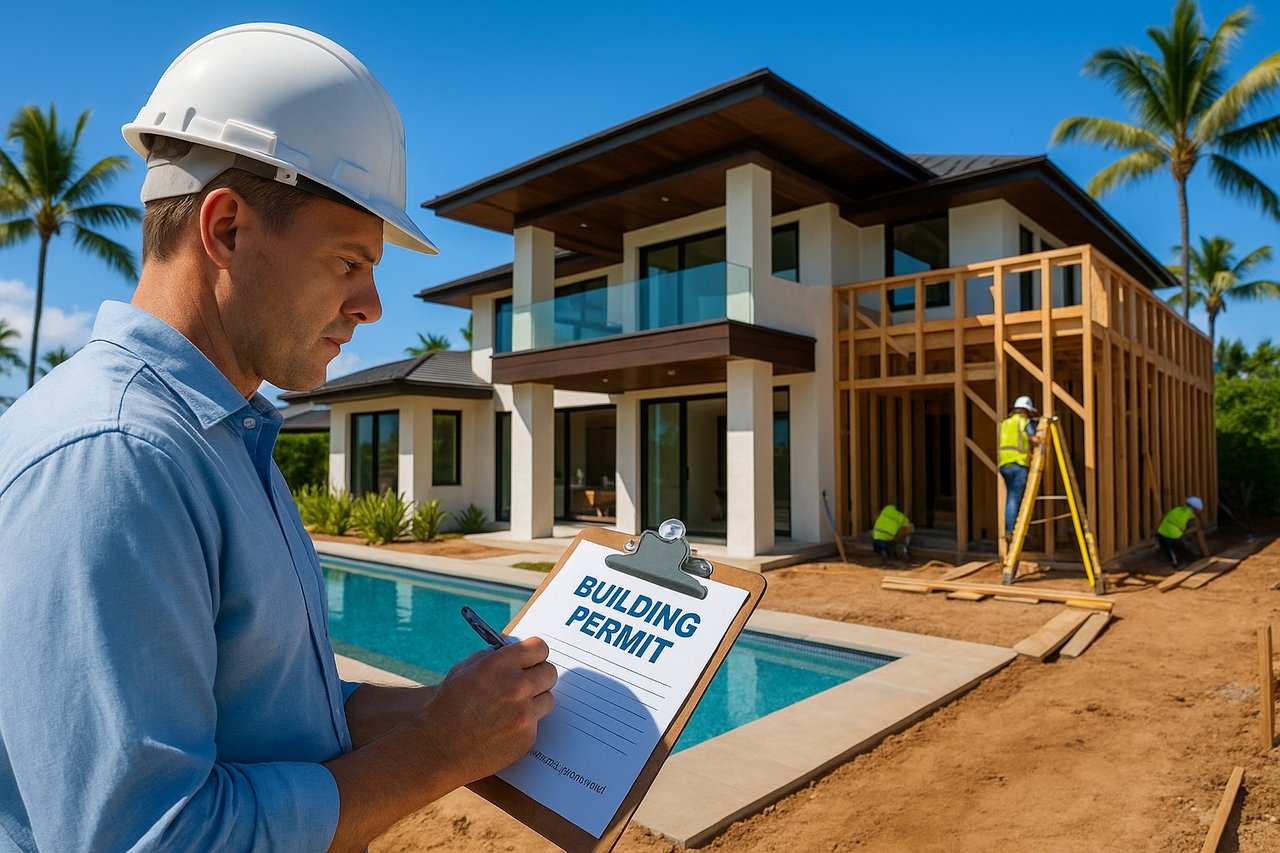
- 9. Building Permits - Permits are required approvals from your local government to begin construction. They ensure your home meets zoning and building codes.
- 10. Presale Home - This term refers to homes that are available for purchase before construction is complete. Buying early can offer better pricing and more personalization, but you’ll have to wait to move in.
- 11. Punch List - Before you close, you and your builder will walk through the home and note any small issues, paint touch-ups, missing hardware, or light fixtures that need adjusting. These items go on the punch list for the builder to fix.
- 12. Rough-In - This phase involves installing the home’s internal systems, plumbing, electrical, and HVAC before the walls go up. It’s a key milestone in the building timeline.
- 13. Spec Home (Inventory Home) - Builders sometimes start homes before they’re sold. These are known as spec or inventory homes. They’re great for buyers who want a new home fast and don’t need total customization.
- 14. Quick Move-In (QMI) Home - A subtype of spec home, a QMI is nearly finished and typically ready within 30 days. You’ll sacrifice some personal selections, but gain speed.
- 15. Walk-Through - Your final walk-through gives you a chance to inspect your home, ask questions, and ensure any punch list items are addressed before closing.
Final Thoughts: Buying a new-construction home doesn’t have to be intimidating. By learning the language of builders and developers, you empower yourself to make smart, informed decisions. And remember, while the process is detailed, the payoff is big: a customized, low-maintenance home that’s truly move-in ready.
Contact me if you want to build a home or find a property to build it on.