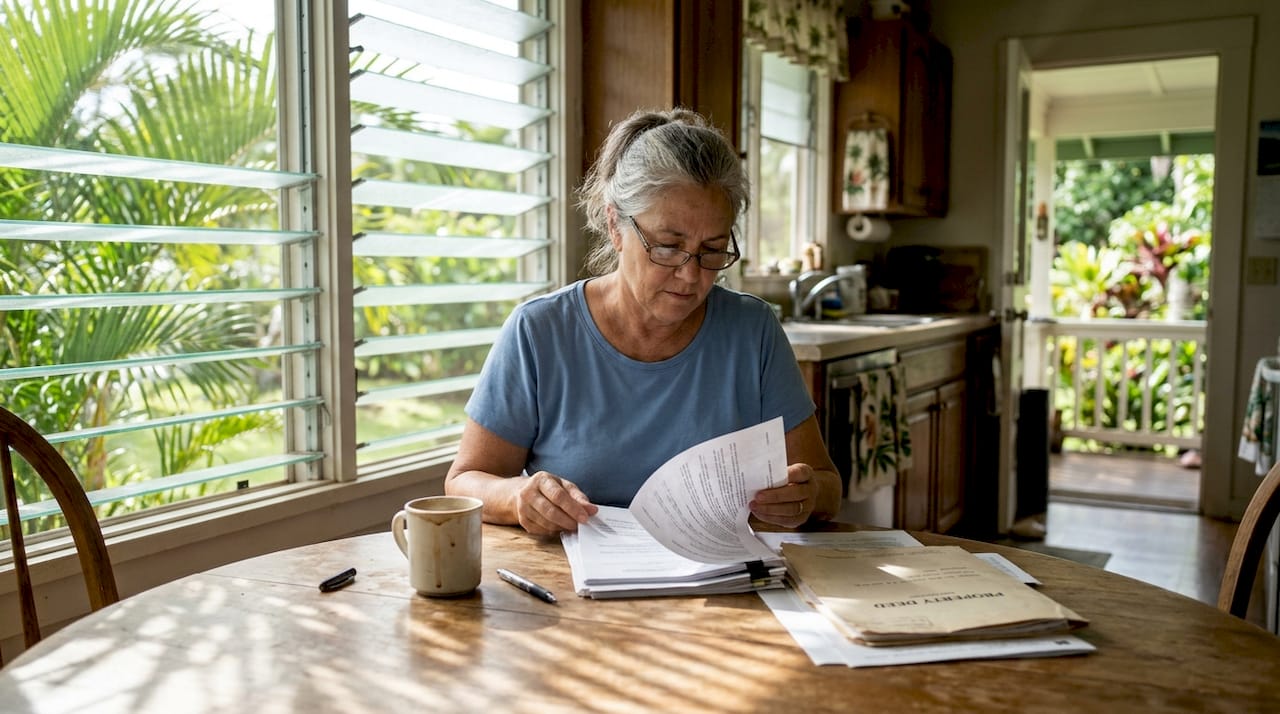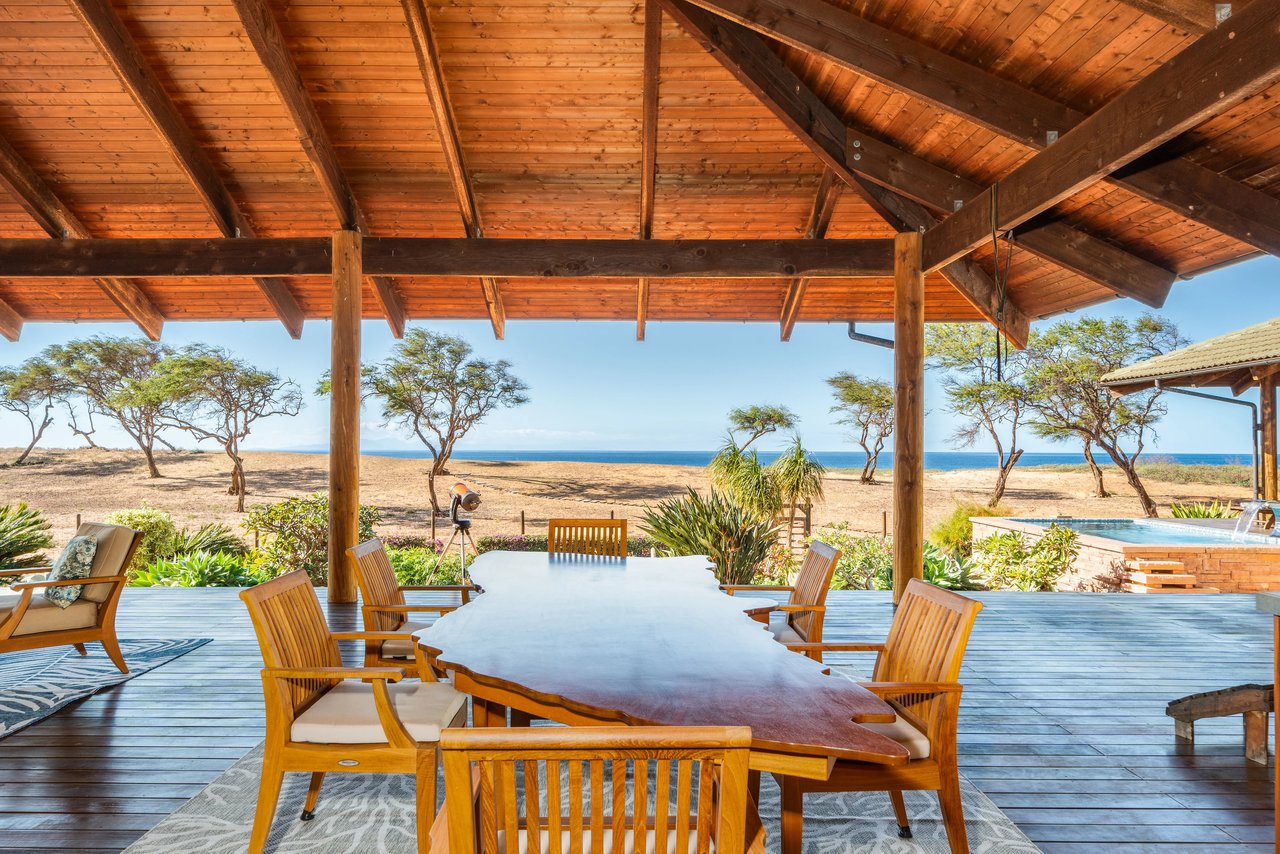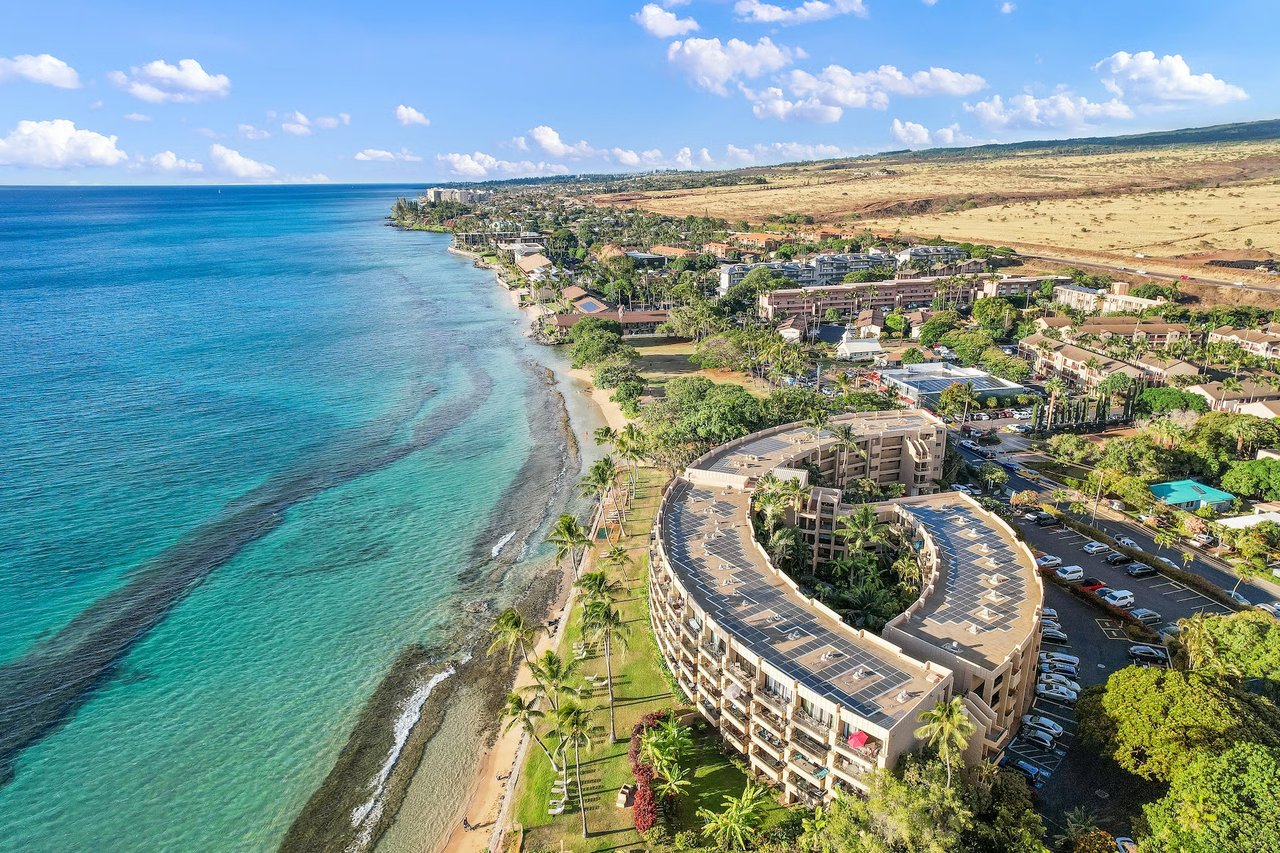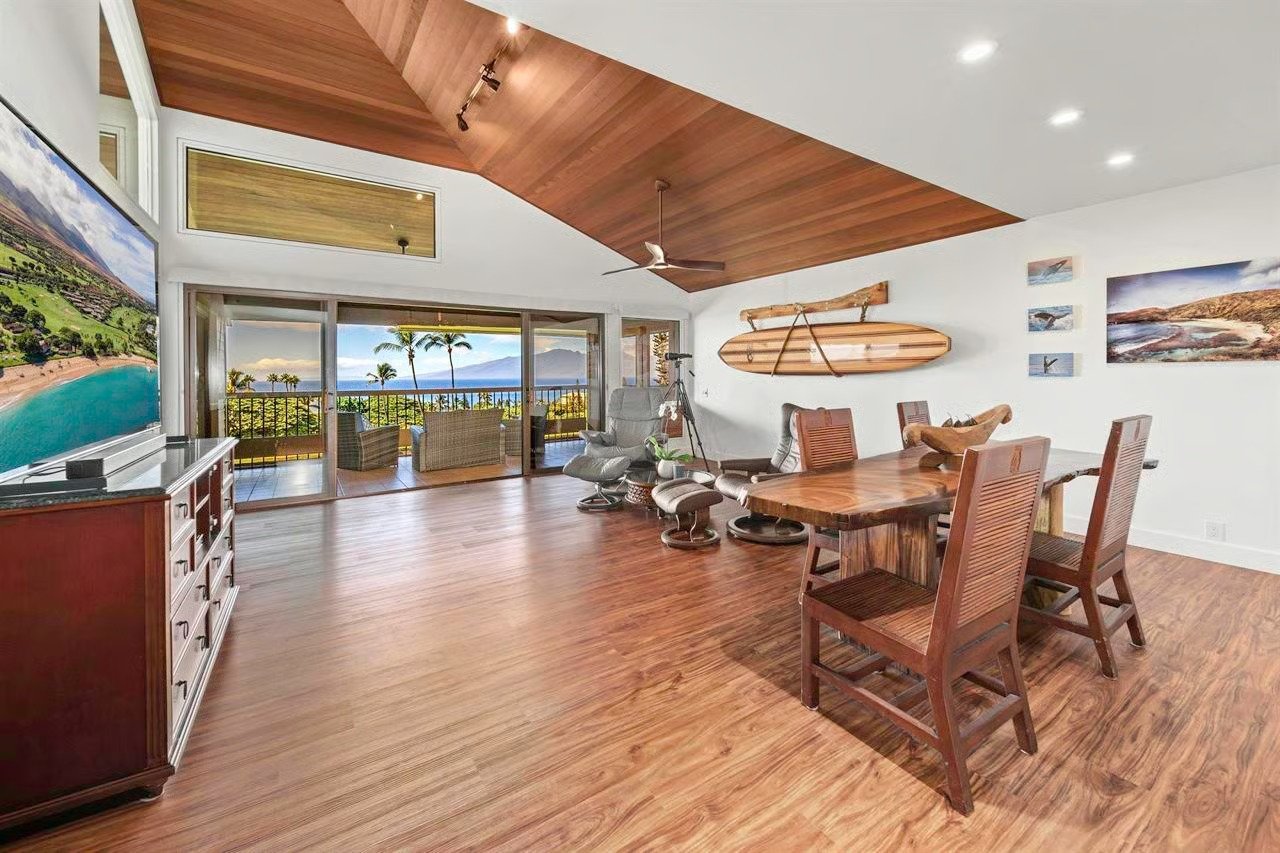
Selling a luxury property in Hawaii is not simply a matter of listing and waiting. The islands carry their own legal landscape, their own rhythm, and their own demands on sellers who want to protect what they have built. From mandatory disclosure timelines to state and federal tax withholding requirements that can reach tens of thousands of dollars, the stakes are genuinely high. A misstep in paperwork or pricing strategy can unravel months of preparation. This guide walks you through each critical stage, with references to official regulations and the kind of grounded expertise that turns a complex transaction into a confident, dignified exit.
Table of Contents
-
Navigating tax withholdings: HARPTA, FIRPTA, and seller obligations
-
Closing the sale: Timeline, disclosures, and avoiding common mistakes
-
Discreet, expert representation for Hawaii luxury home sellers
Key Takeaways
|
Point |
Details |
|---|---|
|
Comply with disclosures |
Sellers must provide full disclosures promptly to avoid delays or deals falling apart. |
|
Plan for tax withholdings |
Understand HARPTA and FIRPTA rules and file appropriate forms to avoid unexpected withholdings. |
|
Market strategically |
Use professional marketing tailored for the luxury segment to attract ideal buyers. |
|
Close carefully |
Meet Hawaii-specific timelines and beware of common mistakes during final steps. |
|
Expert help matters |
Engage the right representation for high-value properties to maximize results. |
Key requirements before listing your Hawaii property
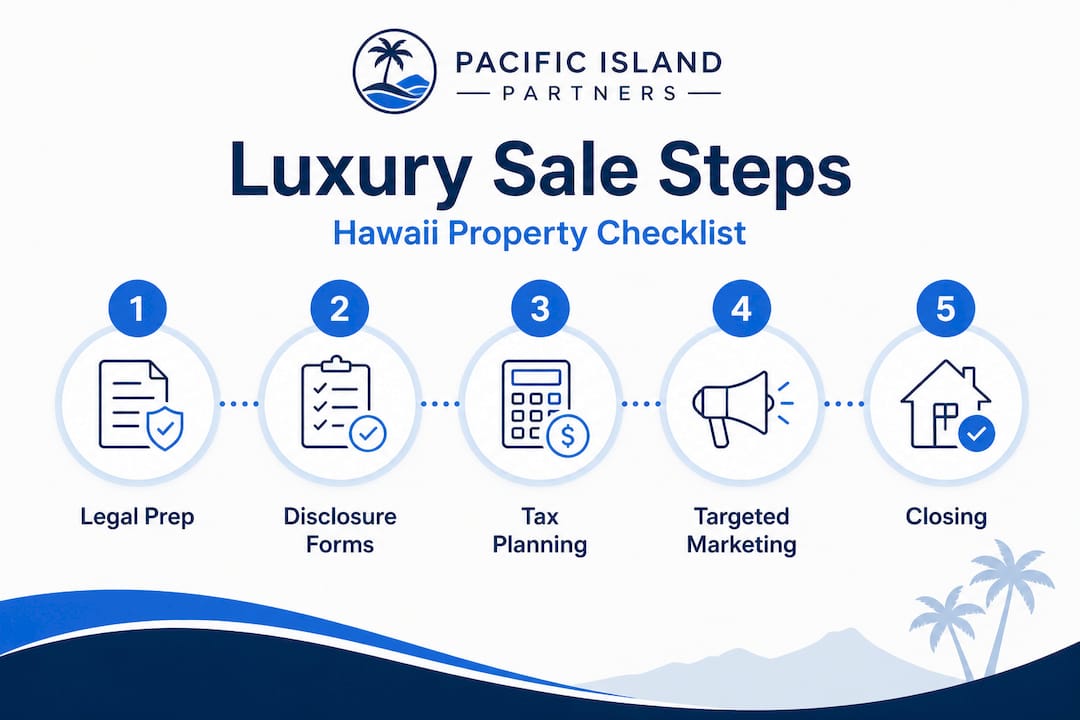
With the layers of complexity that come with a Hawaii luxury sale in mind, your first priority is making sure every legal and logistical requirement is in place before your property ever reaches the market. Preparation here is not optional. It is protective.
Hawaii law requires sellers to disclose all known material facts through a Mandatory Seller’s Real Property Disclosure Statement, delivered within 10 days of contract acceptance or a negotiated time frame in the contract. If your home has Photovoltaic, there is a separate disclosure form for the details for your Solar PV system. After receipt of the Sellers Disclosure Forms Buyers then have a time period to rescind based on what they find. This timeline is tight. Any ambiguity or omission in that document can become a liability long after escrow closes.
There are narrow exceptions. Foreclosures are generally exempt from this disclosure requirement.
Title fraud is also a rising concern statewide. Sellers should monitor their standing with the Bureau of Conveyances well before listing and work with a qualified title company to confirm clean, uncontested ownership.
Here is a quick checklist of documents you should prepare before listing:
-
Mandatory Seller’s Real Property Disclosure Statement
-
Current title report and ownership verification
-
All past building permits and certificate of occupancy records
-
Homeowners association disclosures and financials (if applicable)
-
Current property tax statements
-
Survey documents (if available or required)
-
Any recorded easements, covenants, or encumbrances
|
Document |
Required by law |
Notes |
|---|---|---|
|
Seller’s Disclosure Statement |
Yes |
Due within days of contract acceptance |
|
Title report |
Yes |
Always needed for clean transfer |
|
Building permits |
Recommended |
Reveals unpermitted work |
|
HOA disclosures |
If applicable |
Required for condo/planned community sales |
|
Survey |
Sometimes |
Required if boundary issues or lender demands |
|
Property tax statements |
Recommended |
Helps buyers verify annual costs |
You can find a thorough step-by-step sellers guide on our website that expands on each of these documents and what luxury sellers specifically need to prepare. Staying informed about recent Hawaii housing law changes is equally important, as regulatory shifts in 2025 and into 2026 continue to affect disclosure requirements and transactional timelines.
Pro Tip: Request a preliminary title report early, before you go to market. Discovering a lien or an unresolved ownership question after you are under contract causes far more disruption than addressing it upfront.
Navigating tax withholdings: HARPTA, FIRPTA, and seller obligations
With your documents gathered, understanding your tax exposure before finalizing any deal is not just advisable. It is essential to avoiding serious cash flow surprises at the closing table.

Hawaii’s real estate tax withholding laws are among the most consequential factors for luxury sellers, particularly those who are not permanent Hawaii residents. The Hawaii Real Property Tax Act, known as HARPTA, requires buyers to withhold 7.25% of the gross sales price from the proceeds of any seller who is not a Hawaii resident. That amount is then remitted to the state within 20 days of closing. On a $5 million sale, that is $362,500 held back before you ever see your net proceeds.
For foreign sellers, the federal Foreign Investment in Real Property Tax Act, known as FIRPTA, adds another layer. The FIRPTA withholding rate is 15% of gross sales price. Both programs can apply simultaneously, compounding the financial impact significantly. You can read a full breakdown of HARPTA and FIRPTA details to understand how these interact and where planning opportunities exist.
Exemptions are available, but they require advance action. The most common forms include:
-
Form N-289 (Hawaii Resident Certification): Used to certify that you are a Hawaii resident and therefore exempt from HARPTA withholding.
-
Form N-288B (Application for Withholding Certificate): Filed before closing to request a reduced withholding amount, appropriate when your actual gain is lower than the gross sales price suggests.
-
Form N-288C (Application for Tentative Refund): Filed after closing to recover withheld amounts once your actual tax liability is calculated.
-
IRS Form 8288-B: The federal equivalent for requesting a FIRPTA withholding certificate, which must be filed before or at closing.
“The critical issue for most non-resident luxury sellers is timing. HARPTA and FIRPTA planning requires at least 10 to 12 weeks of advance preparation. Starting that process after you are under contract is almost always too late to avoid a withholding event.”
|
Tax program |
Rate |
Who it affects |
Key forms |
|---|---|---|---|
|
HARPTA |
7.25% of gross price |
Non-Hawaii resident sellers |
N-289, N-288B, N-288C |
|
FIRPTA |
15% of gross price |
Foreign sellers |
IRS 8288, 8288-B |
|
Both combined |
Up to 22.25% |
Foreign sellers living outside HI |
Multiple forms required |
Pro Tip: Engage a Hawaii tax attorney or CPA who specializes in real estate transactions at least three months before your intended listing date. Filing for exemptions after a contract is signed leaves very little room to protect your proceeds.
Marketing your Hawaii luxury property for maximum value
Once you understand your obligations, the focus shifts to positioning your property to attract the right buyers. And in the luxury tier, “right buyers” means financially qualified, genuinely motivated, and emotionally aligned with what your property offers.
Pricing strategy in Hawaii’s upper market is not about finding a number that feels ambitious. It is about deep competitive analysis across comparable oceanfront estates, resort residences, and land holdings in Maui and the neighboring islands. The luxury market has its own pace. Overpricing relative to recent comparable sales does not create negotiating room. It creates hesitation, and hesitation in a discreet buyer segment means they quietly move on.
Consider these principles when marketing a high-value Hawaii property:
-
Private vs. public listing: Some sellers with significant holdings prefer a discreet, off-market approach to preserve confidentiality and protect the asset’s perception. A property that sits on a public listing too long can be stigmatized, regardless of the reason for the extended timeframe. For thoughtful advice for listing luxury homes, a private or limited-exposure strategy may serve you better than broad syndication.
-
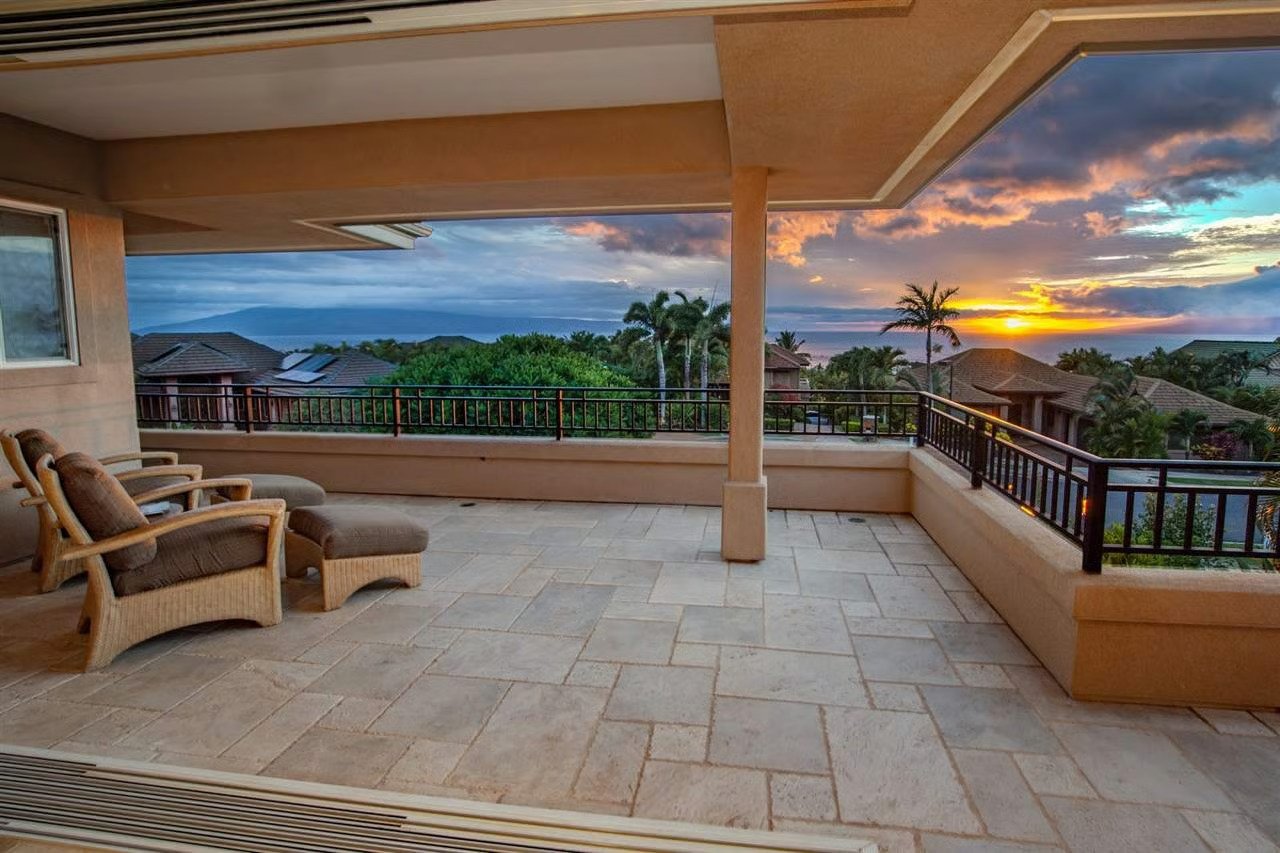
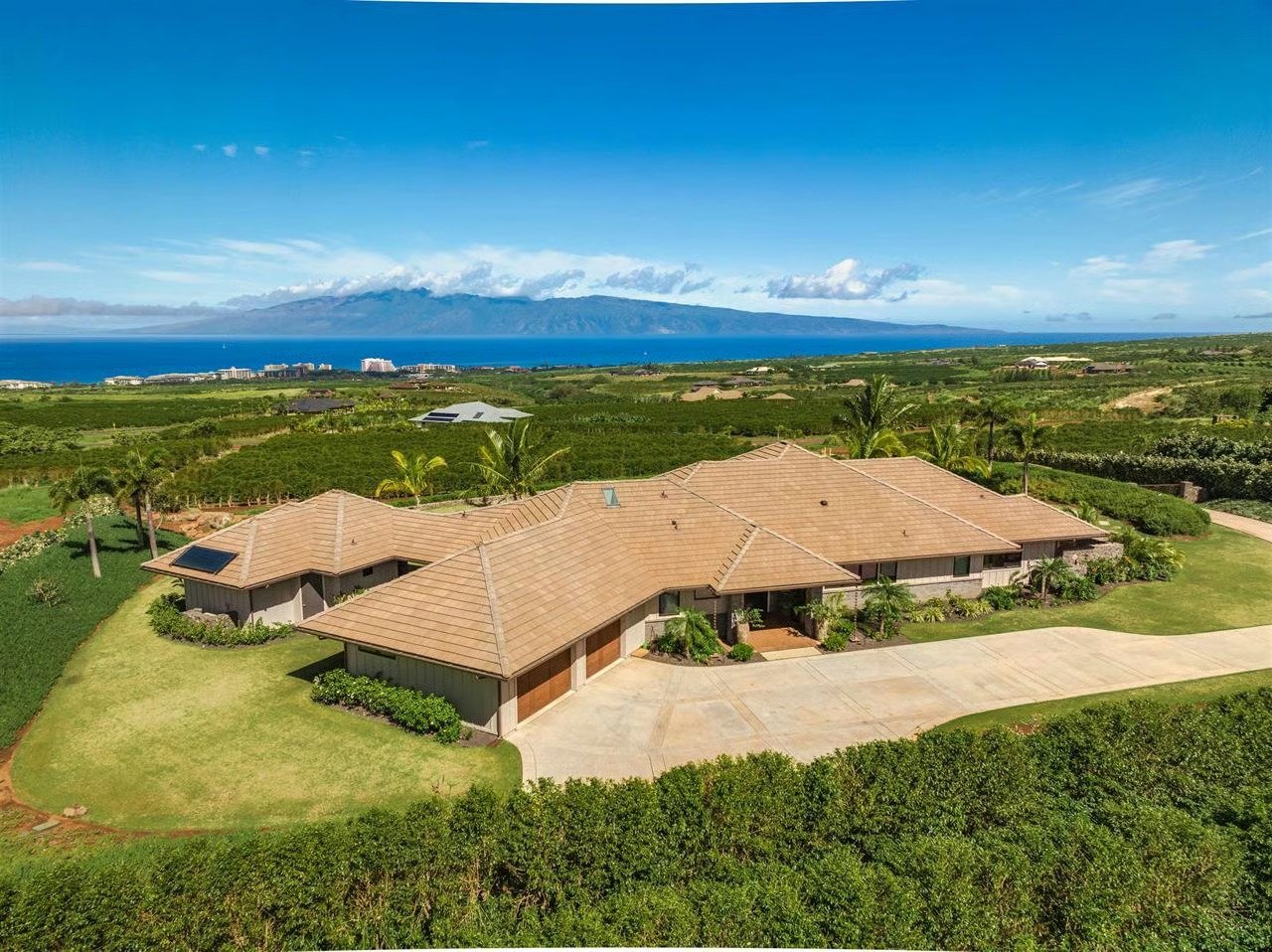
Professional photography and videography: High-resolution drone footage, twilight photography, and cinematic walkthrough videos are not amenities for the luxury market. They are table stakes. A buyer considering a $3 million to $10 million purchase expects extraordinary visual presentation before they board a plane.
-
Unique selling points: What makes your property irreplaceable? Proximity to a specific bay, a rare land designation, historic architectural features, an existing vacation rental license? These details need to be articulated with precision and reverence, not buried in boilerplate listing copy.
-
Targeted outreach to qualified networks: Buyers for luxury Hawaiian real estate are often located on the mainland or internationally. Reaching them requires relationships, not just portals. The right representation connects your listing to the networks where these buyers actually make decisions.
One often overlooked factor is the seasonal rhythm of the Hawaii luxury market. Strong buyer interest typically follows the patterns of the high-travel seasons, with serious inquiries peaking in winter months when mainland buyers are most drawn to the warmth of the islands. Timing your listing to align with this flow can meaningfully affect both speed and final sale price.
Closing the sale: Timeline, disclosures, and avoiding common mistakes
After an effective marketing effort, managing the closing phase is vital to protect your interests. This stage is where deals most often stall or unravel, and where the detail-oriented seller has a clear advantage.
Here is how a well-managed Hawaii luxury closing typically unfolds:
-
Contract acceptance: Once an offer is accepted, the clock begins for delivering your Mandatory Seller’s Real Property Disclosure Statement.
-
Buyer’s inspection and review period: Buyers have a negotiated review period for disclosures and to complete inspections. Any issues raised during this window can become renegotiation leverage if not handled proactively.
-
Title search and clearance: Your title company will conduct a full search. Any clouds on title, including rising title fraud risks statewide, must be resolved before this stage clears.
-
Tax withholding forms: HARPTA and FIRPTA paperwork must be finalized. Delays here can postpone closing by weeks.
-
Final walkthrough and closing: The buyer conducts a final walkthrough typically around 5 days before closing and documents are signed the week before closing. The buyer's final funds are due to escrow 2 business days prior to closing. On closing day funds are disbursed by escrow and the keys are handed over. In Hawaii, this often happens through escrow without a formal closing ceremony.
Maintaining consistent, professional follow-up strategies for closing throughout this period matters more than many sellers expect. Clear, prompt communication with the buyer’s team, escrow officers, and legal counsel keeps momentum and trust intact through the final mile.
What most sellers get wrong about Hawaii luxury sales
Here is the perspective that most sellers need to hear before they go to market: a beautiful property does not sell itself. This is the single most common misconception we encounter, and it costs sellers time, money, and unnecessary stress.
The assumption is understandable. When you own an extraordinary oceanfront estate on Maui or a rare land holding on a neighboring island, it can feel as though the asset speaks for itself. And in one sense, it does. But the buyers who can actually close on a $4 million or $8 million transaction are a very small, very sophisticated audience. They have seen beautiful properties. They are evaluating your property on legal clarity, tax efficiency, disclosure completeness, and the credibility of the representation behind it.
HARPTA and FIRPTA surprises are the single most avoidable source of closing delays we see. Sellers who believe the tax issue will “work itself out” at escrow consistently face withheld proceeds, extended timelines, and in some cases, penalties. Keeping up with legal changes sellers should know is not a luxury for the attentive seller. It is the baseline.
Representation also matters in ways that are easy to underestimate. A property that is introduced to a curated network of qualified buyers carries a very different energy than one that is hastily brought to market and sits for months. The market has a memory. How you enter it shapes how you are perceived throughout the process, and often determines the terms you ultimately accept.
The sellers who close well in this market are prepared. They begin their legal and tax planning months early, they invest in the right presentation, and they work with advisors who know the islands not as destinations but as living communities with deep roots and specific rules.
Discreet, expert representation for Hawaii luxury home sellers
Selling a luxury property in Hawaii requires more than market knowledge. It requires the kind of patient, principled guidance that protects your legacy and your proceeds.
Pacific Island Partners, led by Heidi Dollinger and Mark Janes, bring decades of combined experience representing sellers on Maui and the surrounding islands. The team offers a concierge-level approach grounded in discretion, legal fluency, and genuine care for each client’s outcome. Whether you are ready to explore exclusive listings in Hawaii or simply want to understand what your property is worth in today’s market, the first step is a conversation. Reach out to request a private briefing for sellers and let us show you what a thoughtful, fully prepared sale looks like.
Frequently asked questions
What forms are required for selling a Hawaii property as a non-resident?
Non-residents generally need to file HARPTA forms such as N-289, N-288B, or N-288C, depending on your exemption status, and FIRPTA forms if you are a foreign seller. The specific form requirements depend on your residency, gain amount, and filing timing.
How long does the Hawaii property sale process usually take?
Luxury transactions can have longer timeframes. Sales of over $3mil on Maui in the last 12 months have taken an average of 176 days on market from list date to close. Complex HARPTA and FIRPTA situations can add additional weeks if paperwork is not started well in advance.
Are property disclosures optional for luxury condo sales?
Property disclosures are mandatory for nearly all sales except new builds and foreclosures. Even high-end condominium sellers and off-island investors must comply with Hawaii’s disclosure requirements.
Do I need a survey before selling my Maui property?
Surveys are usually requested in the purchase contract as something the seller provides when selling a single family home or land. They can be optional but may be needed if there are boundary or encroachment issues, or if required by a lender. For luxury land holdings or large oceanfront parcels, a proactive survey can prevent significant delays during buyer due diligence.
Do I need a termite inspection before selling my Maui property?
If there is any evidence of termites or if you are selling a home that has not been tented in years, it can be a good idea to have a termite inspection done prior to listing and allow time to schedule and complete the termite tenting. Buyers often ask sellers to provide termite inspections as part of the purchase contract and the contract states that if there is any live active termite infestation, the seller is required to complete the necessary treatment before closing.
Recommended