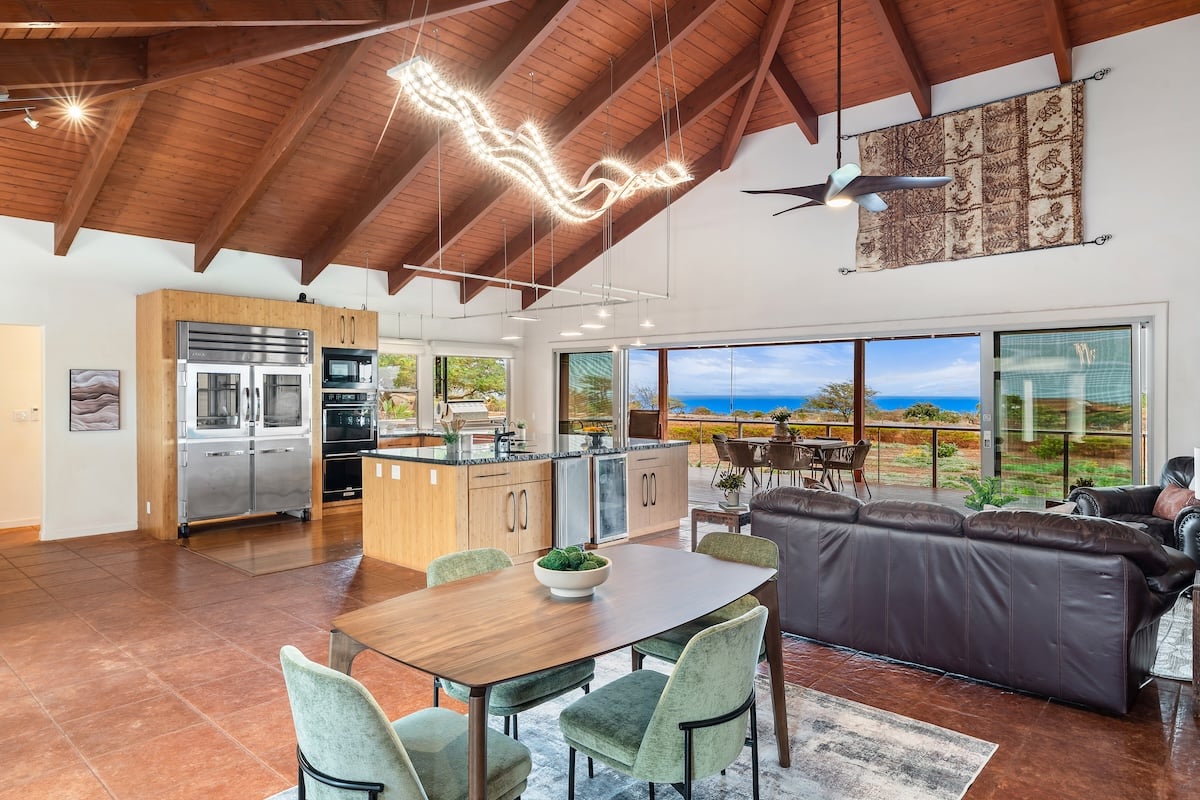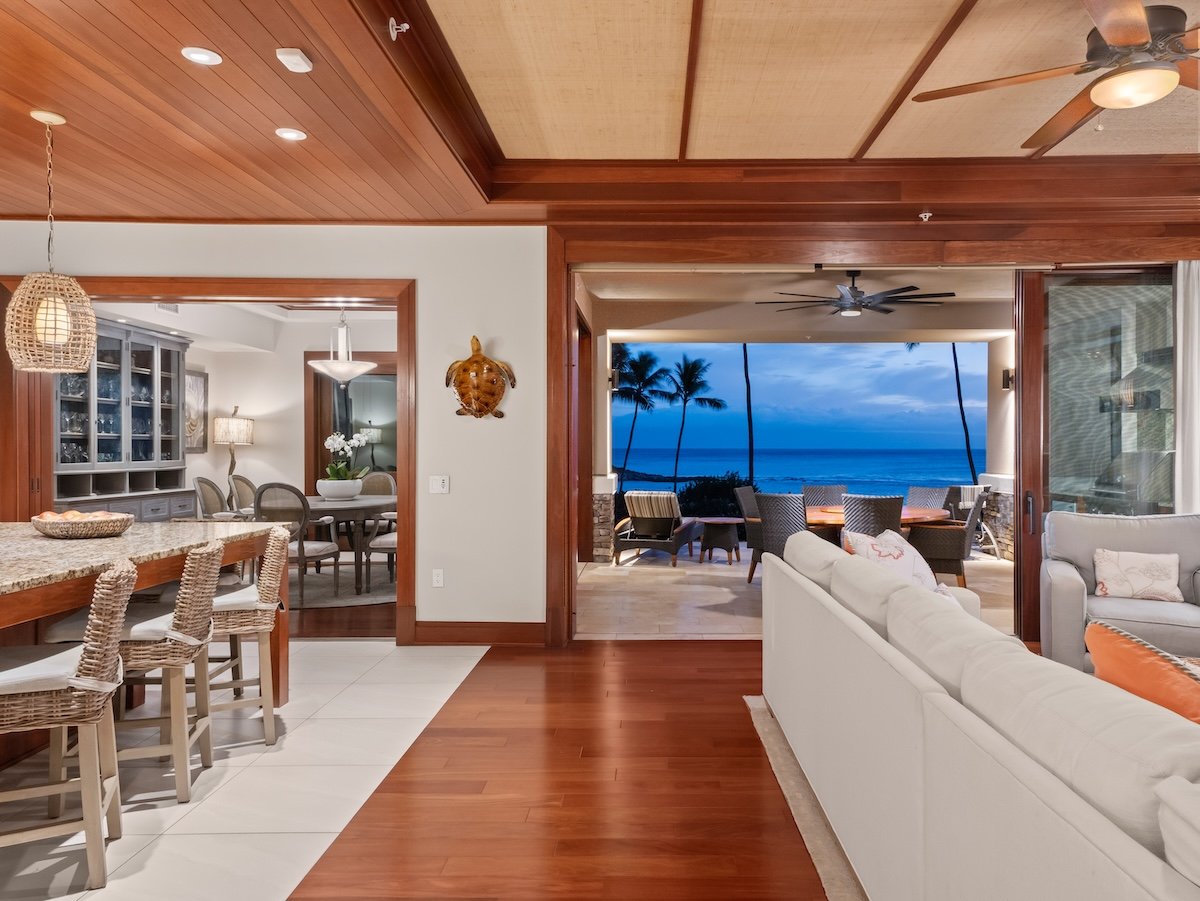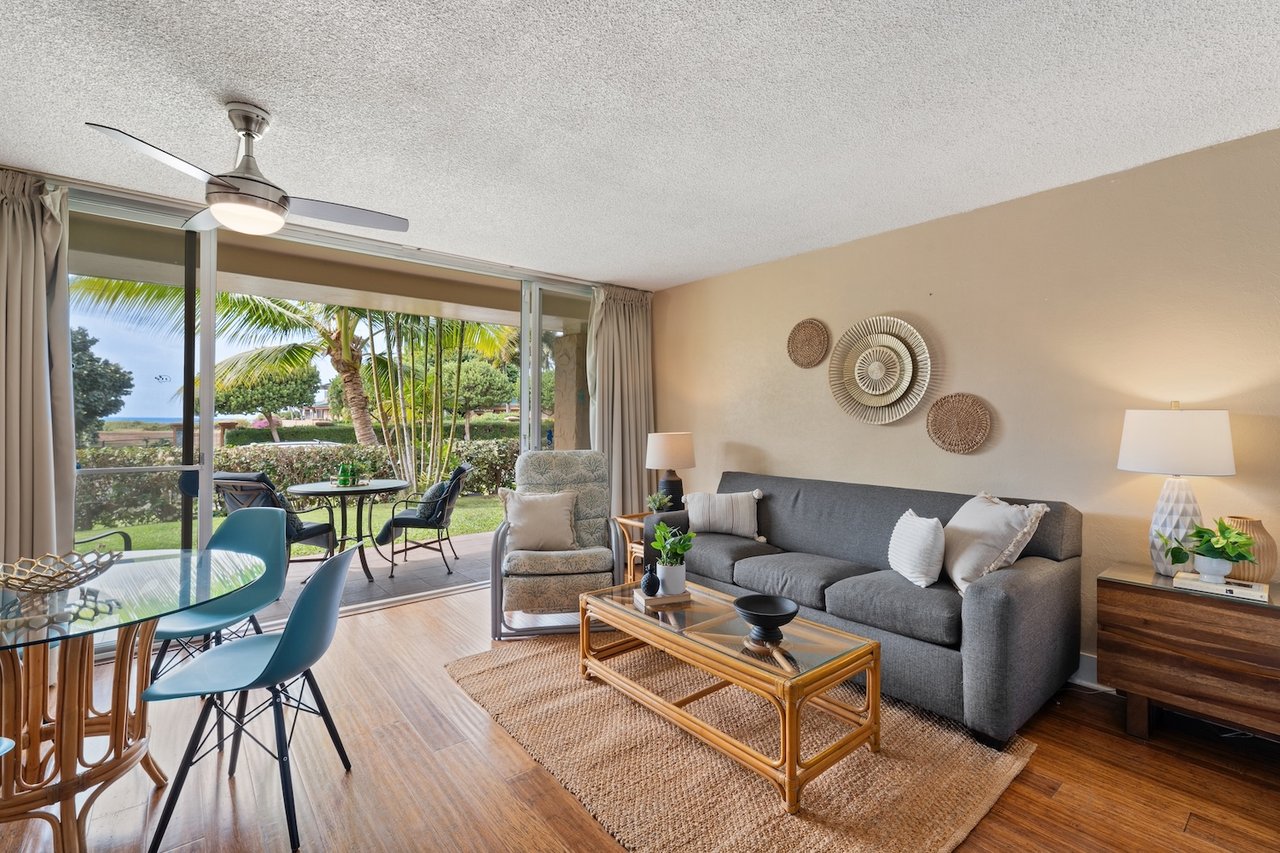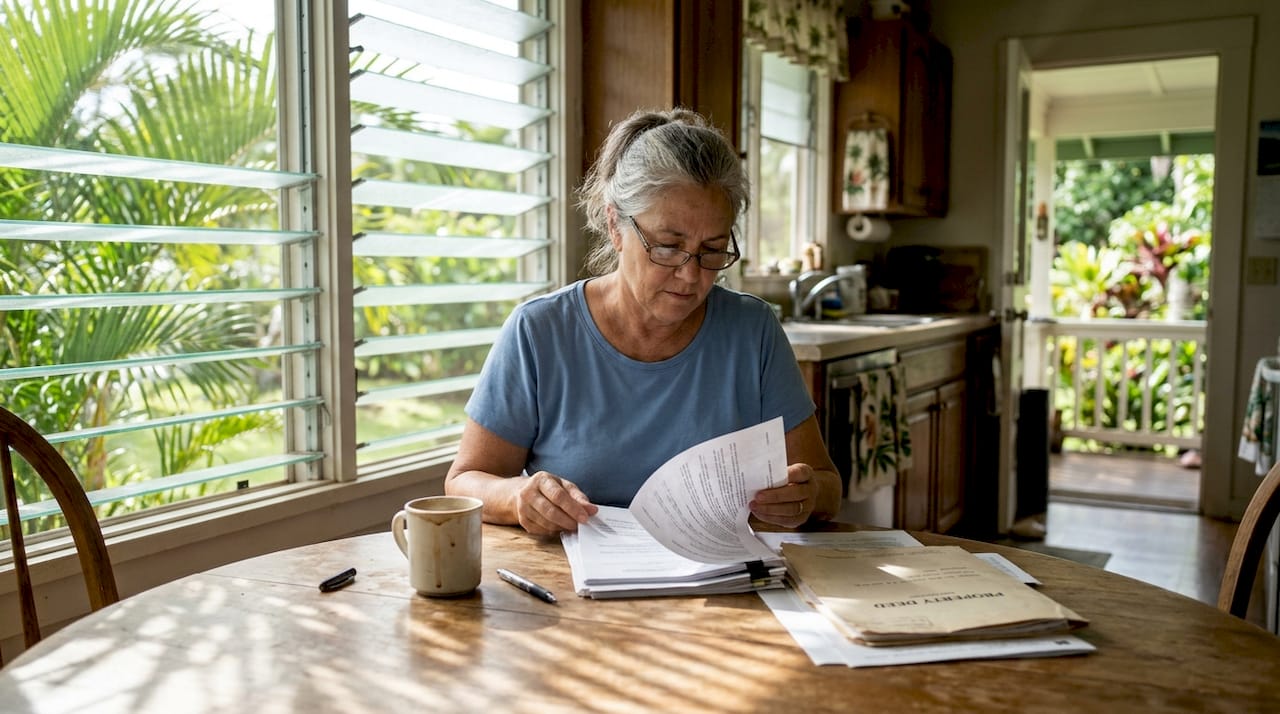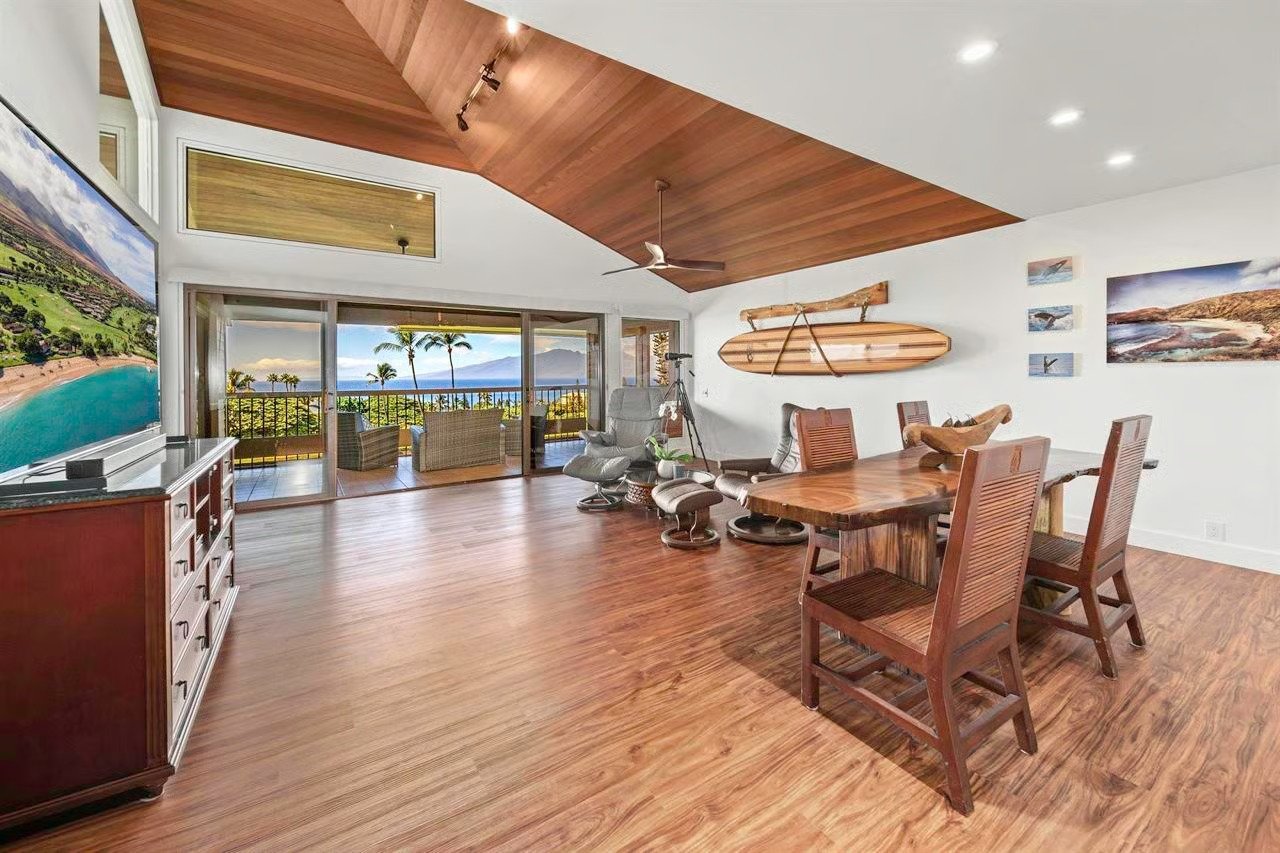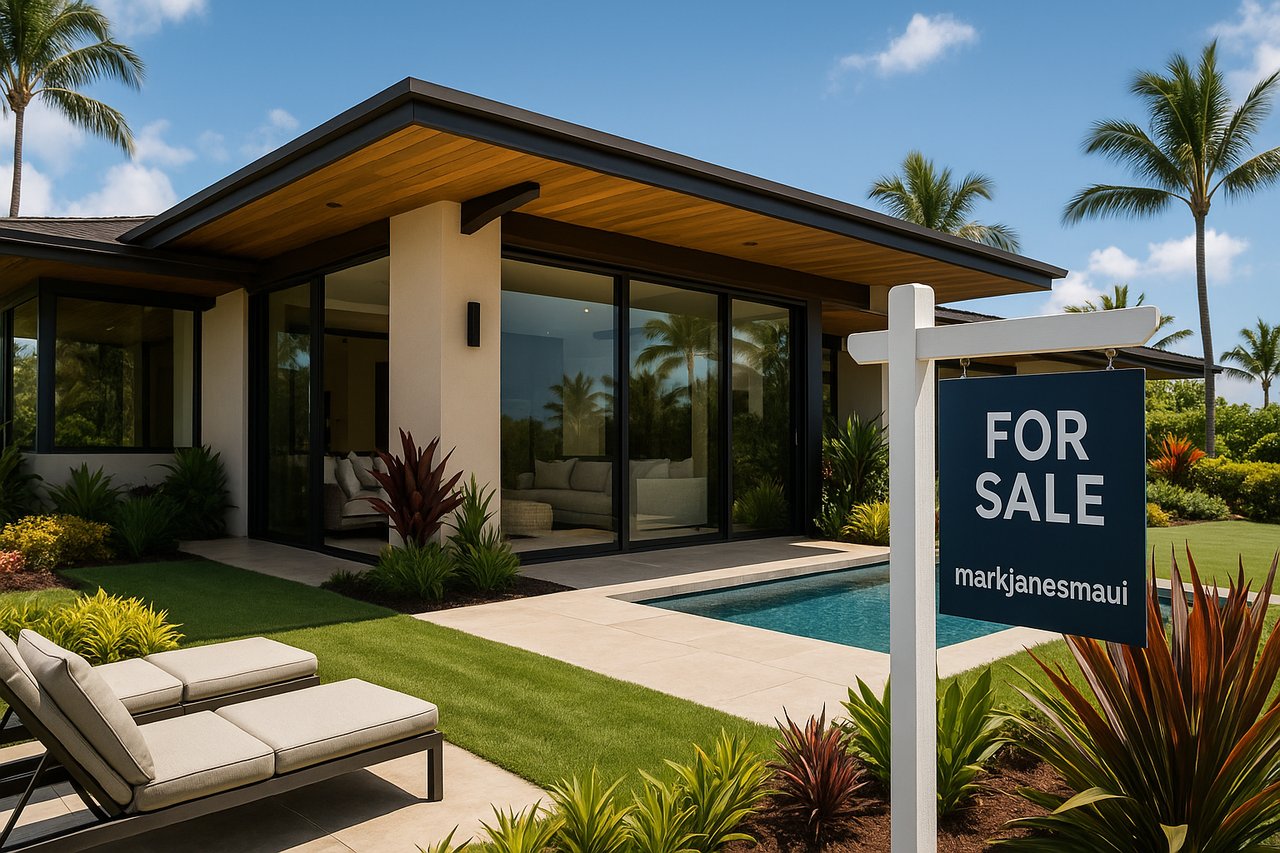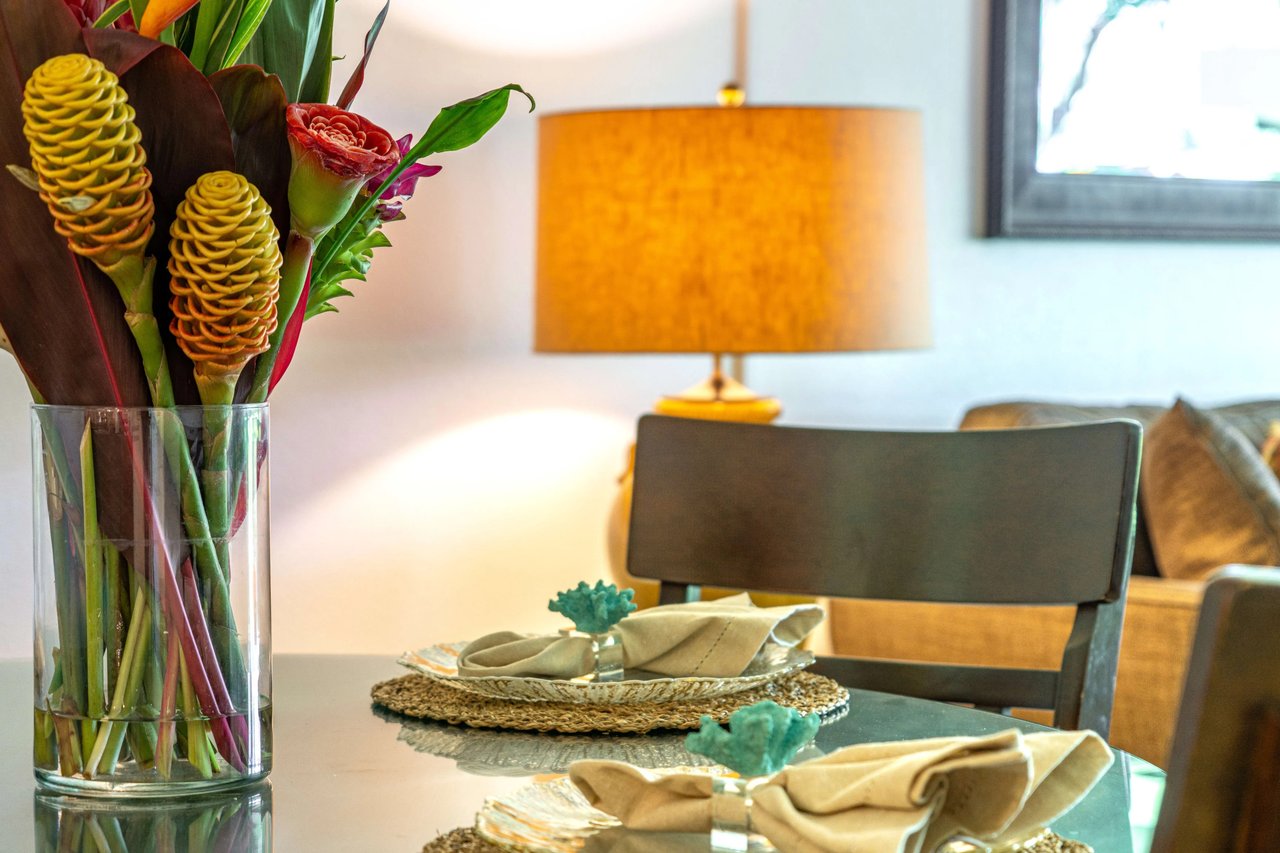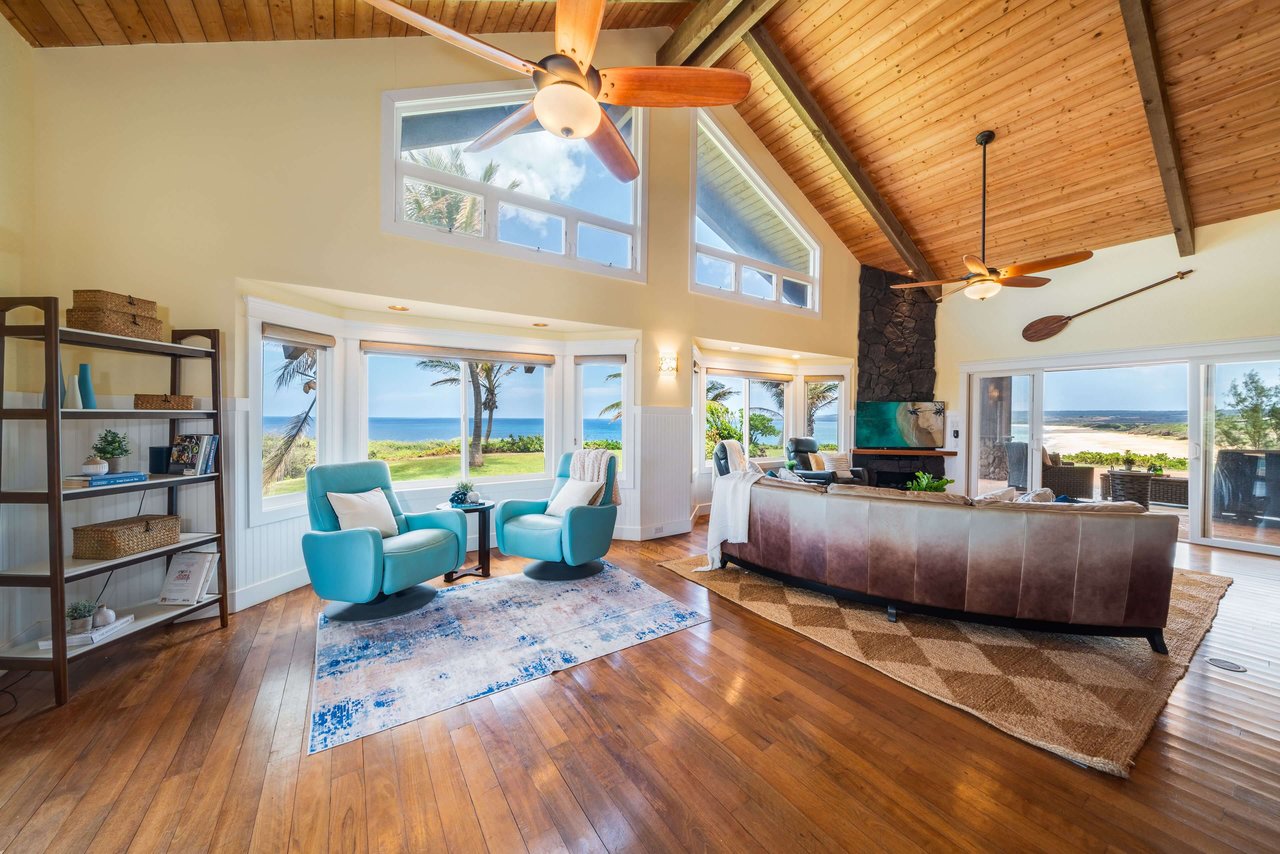
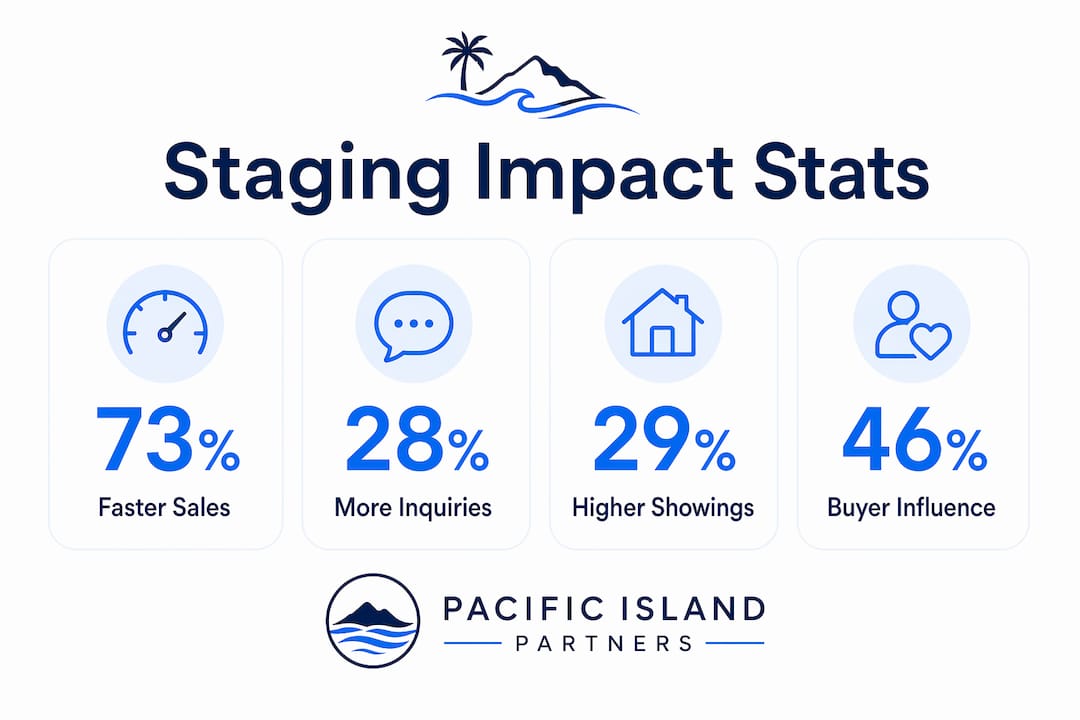
Home staging is defined as the practice of preparing and styling a property to maximize its appeal to potential buyers, helping them picture it as their future home. The National Association of REALTORS® reports that 83% of buyers' agents say staging makes it easier for buyers to visualize a property as their own. The Zebra found that professionally staged homes spend 73% less time on the market. Understanding why stage your home for sale starts with one clear truth: buyers decide with their emotions first, and staging shapes those emotions from the moment they walk through the door.
Why staging your home for sale changes the outcome
Staging is not decoration. It is a calculated presentation strategy designed to remove friction from the buyer's imagination. When a home is clean, neutral, and thoughtfully arranged, buyers stop noticing the space and start feeling at home in it. That shift in perception translates directly into stronger offers and faster closings.
The financial case is well documented. More than a quarter of real estate professionals report that staged homes net 1%–10% more in sale price, and about half note quicker sales. On a $900,000 property, even a 1% gain means $9,000 added to your proceeds. The math rewards preparation
"Staging reduces buyer objections before they form. A well-presented home signals maintenance, care, and move-in readiness. Buyers pay a premium for confidence."
Online performance improves as well. Staged listings attract 28% more online inquiries and 29% higher showing requests compared to non-staged homes. More eyes on your listing means more competition among buyers, and competition is what drives price.
Pro Tip: Focus your staging budget on the three rooms that matter most. Living room staging influences 46% of buyers, master bedrooms influence 43%, and kitchens influence 35%, according to The Zebra's research. Spend your time and money where buyers are paying the closest attention.
What does home staging actually involve?
Staging is not interior design, and it is not renovation. The National Association of REALTORS® defines effective staging as creating a neutral, photo-ready environment that appeals to the broadest possible buyer base. The goal is to remove anything that anchors the home to your personal story and replace it with a setting buyers can project their own lives onto.
The core methods are straightforward, but their combined effect is powerful. Here are the staging actions that deliver the greatest return:
- Declutter every room. Remove items from countertops, shelves, and closets. Buyers open closets. A crowded closet signals a lack of storage.
- Depersonalize the space. Pack family photos, children's artwork, and personal collections. Buyers need to see themselves in the home, not you.
- Remove or replace bulky furniture. Oversized sofas and crowded dining sets shrink rooms visually. Removing one or two pieces can make a room feel 20% larger.
- Apply neutral paint. Bold or personalized wall colors narrow your buyer pool. Soft whites, warm grays, and light greiges appeal to the widest range of tastes.
- Stage the entryway first. The entry sets the emotional tone for the entire showing. A clean, welcoming entry signals that the rest of the home has been cared for.
- Enhance curb appeal. Mow, trim, and pressure wash before photography. Buyers form their first impression before they open the front door.Virtual staging deserves mention here. AI virtual can digitally furnish empty rooms quickly and at a fraction of the cost of physical staging. This approach works especially well for vacant properties where physical furniture rental is expensive. Always disclose virtual staging in your listing.
One mistake sellers make repeatedly is overcrowding rooms in an attempt to make them look "full." Overcrowding blocks sightlines and makes mental walkthroughs harder for buyers. Less is almost always more.
Staged vs. empty vs. cluttered: how does each perform?
The presentation style of your home shapes buyer perception more than most sellers realize. Each approach carries distinct advantages and real costs.
Presentation Style | Buyer Experience | Impact on Sale |
|---|---|---|
Staged | Warm, move-in ready, easy to visualize | Faster sale, stronger offers, higher engagement |
Empty | Cold, hard to scale, feels smaller than it is | Longer time on market, lower perceived value |
Cluttered | Distracting, feels cramped, raises maintenance concerns | Buyer objections, lower offers, reduced showings |
Empty homes present a specific challenge that surprises many sellers. Without furniture, buyers struggle to judge room scale. A 14-by-16-foot bedroom can feel cavernous or cramped depending on what is in it. Staging provides the visual anchors buyers need to feel comfortable.
Cluttered homes carry a different risk. Clutter does not just distract. It signals neglect. Buyers begin to wonder what else has not been maintained. That doubt shows up in lower offers and more aggressive inspection requests.
Staged homes sidestep both problems. They present warmth without personal imposition, and order without sterility. The balance is deliberate. You want buyers to feel that the home has been loved, but that it is ready to be loved by someone new.
- Staged homes reduce buyer hesitation by presenting a move-in ready condition
- Empty homes require buyers to do imaginative heavy lifting, which many will not do
- Cluttered homes trigger doubt about maintenance and condition
- Neutral staging appeals to the widest buyer pool across demographics and tastes
For luxury properties, the stakes are even higher. Buyers at the upper end of the market expect a certain level of presentation. A guide on staging luxury homes notes that fine properties benefit from staging that emphasizes architectural details and quality finishes rather than furniture quantity.
Practical home staging tips you can apply right now
Room-by-room staging does not require a professional budget. Many of the most effective changes cost little more than time and intention.
Entryway: Place a clean doormat, add a simple mirror to reflect light, and remove any coats or shoes. The entry is the first breath a buyer takes inside your home. Make it clean and calm.
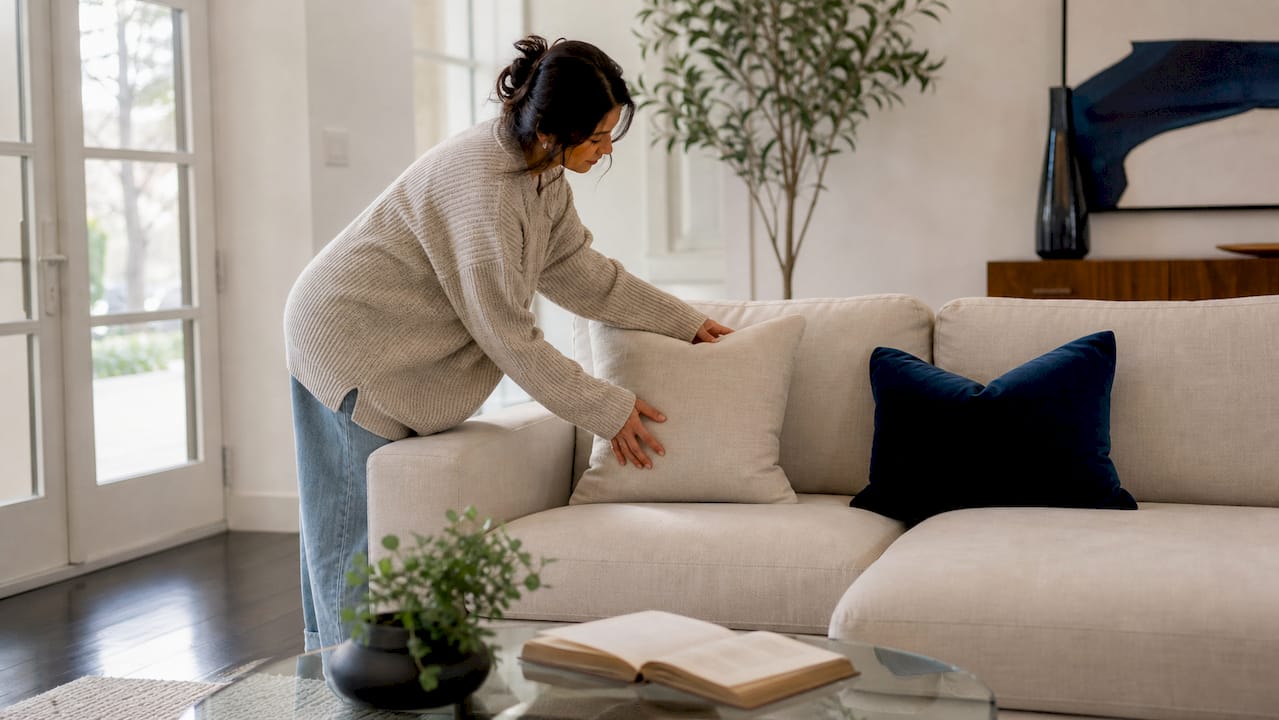
Living areas: Remove at least one piece of furniture to open the floor plan. Add a throw pillow in a soft accent color and a small plant or fresh flowers. Arrange seating to face a focal point like a fireplace or view.
Kitchen: Clear all countertops except for one or two intentional items, such as a bowl of fresh fruit or a simple coffee setup. Clean appliances until they reflect light. Buyers spend significant time in kitchens, and clutter here is especially damaging.
Bedrooms: Use white or neutral bedding. Remove personal items from nightstands. Add a single lamp for warm light during evening showings. The bedroom should feel like a retreat, not a storage room.
Bathrooms: Replace worn towels with fresh white ones. Remove all personal care products from counters and shower ledges. Add a small plant or candle. Clean grout lines and replace any cracked caulk.
Pro Tip: Time your staging to align with listing photography. Your listing photos are your first showing. Buyers decide whether to schedule a visit based on those images. Stage completely before the photographer arrives, not after.
Cost-saving alternatives are worth considering. Listing photography tips from real estate photographers consistently show that good lighting and a clean, staged space matter more than expensive furniture. You do not need to rent a full staging package to get strong photos. Start packing early. Moving boxes into storage before listing reduces clutter and signals to buyers that you are serious about selling.
Key takeaways
Staging a home for sale is the single most cost-effective preparation a seller can make, consistently delivering faster sales, stronger offers, and broader buyer appeal.
Point | Details |
|---|---|
Staging speeds up sales | Professionally staged homes spend 73% less time on the market than non-staged properties. |
Higher sale price is documented | Over a quarter of agents report staged homes net 1%–10% more than comparable unstaged listings. |
Focus on three key rooms | Living rooms, master bedrooms, and kitchens have the greatest influence on buyer decisions. |
Empty homes underperform | Buyers struggle to visualize scale and lifestyle in empty spaces, leading to longer market times. |
Photo readiness is the priority | Staging must be complete before listing photography to maximize online engagement and showing requests. |
What I've learned after years of watching sellers leave money on the table
Sellers consistently underestimate staging. They see it as an optional cosmetic step rather than a strategic investment that shapes how buyers feel the moment they arrive. After years of working with sellers across Maui and the surrounding islands, we have watched the same pattern repeat. The homes that sell quickly and at strong prices are almost always the ones where the seller committed to presentation before listing. We have seen first hand that in a tough market the right preparation can be the difference in selling a home or having it sit.
The most common mistake I see is not neglecting staging entirely. It is over-staging in the wrong places. Sellers spend money on trendy furniture rentals while ignoring a cluttered garage or a bathroom with outdated caulk. Buyers notice everything. A beautifully staged living room does not cancel out a bathroom that feels tired.
The second mistake is treating staging as separate from photography. Your listing photos are your first open house. Every buyer in your price range will see those images before they ever set foot inside. If the staging is not complete when the photographer arrives, you have already lost ground.
What actually works is simpler than most sellers expect. Declutter aggressively. Depersonalize without stripping warmth entirely. Fix the small things that signal deferred maintenance. Then photograph it well. That sequence, done with care, is what moves properties. Staging should reveal the best version of your home, not disguise its reality. Buyers will see through the latter, and they will reward the former.
When you a listing your home for sale, preparation is critical for sellers, especially in today's competitive market. We will work to help recommend only the improvements most likely to have exponential returns when you sell. It is not about renovating or fixing every single thing. It is about strategically investing to present your property to the market honestly and attractively to bring in the right buyer and a solid deal.
— Heidi
Ready to sell? Heidi Dollinger and Mark Janes can help you prepare
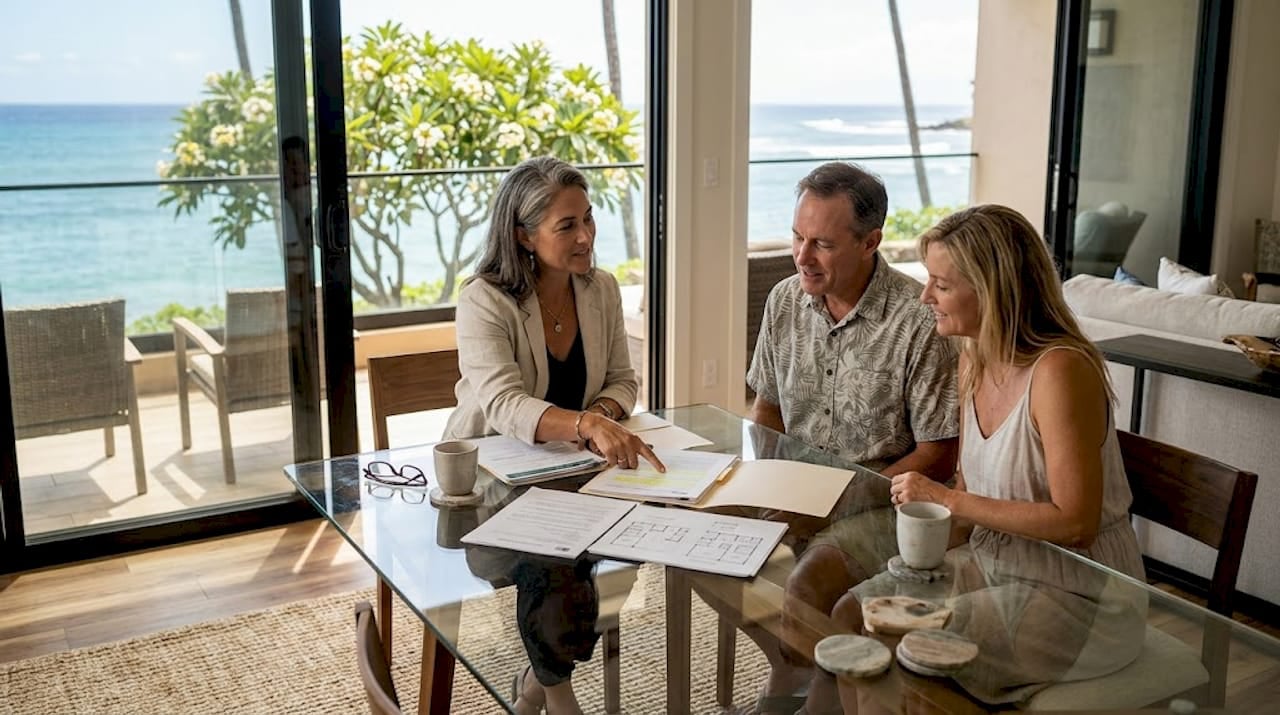
We bring years of combined experience helping sellers across Maui and the surrounding islands prepare, present, and list their properties with confidence. Heidi Dollinger and Mark Janes offer concierge-level guidance that includes staging consultation, photography coordination, and discreet marketing tailored to discerning buyers.

Whether you are preparing an oceanfront estate or a condominium resort residence, the Pacific Island Partners team understands what buyers in this market expect and how to position your home to meet that standard. Browse current listings to see how well-prepared properties present in today's market. When you are ready to talk, reach out for a private conversation about your property and your goals.
FAQ
Does staging a home actually increase the sale price?
Yes. More than a quarter of real estate professionals report staged homes net 1%–10% more than comparable unstaged listings, with about half noting faster sales as well. We recently listed and sold a large property beachfront after having it staged. This property was on the market previously for a year with another broker and did not sell. At the time of writing we have a condo under contract that was staged. The buyer choose our listing over other similar listings in the same community at the same price because she could picture herself living there.
What rooms should I prioritize when staging?
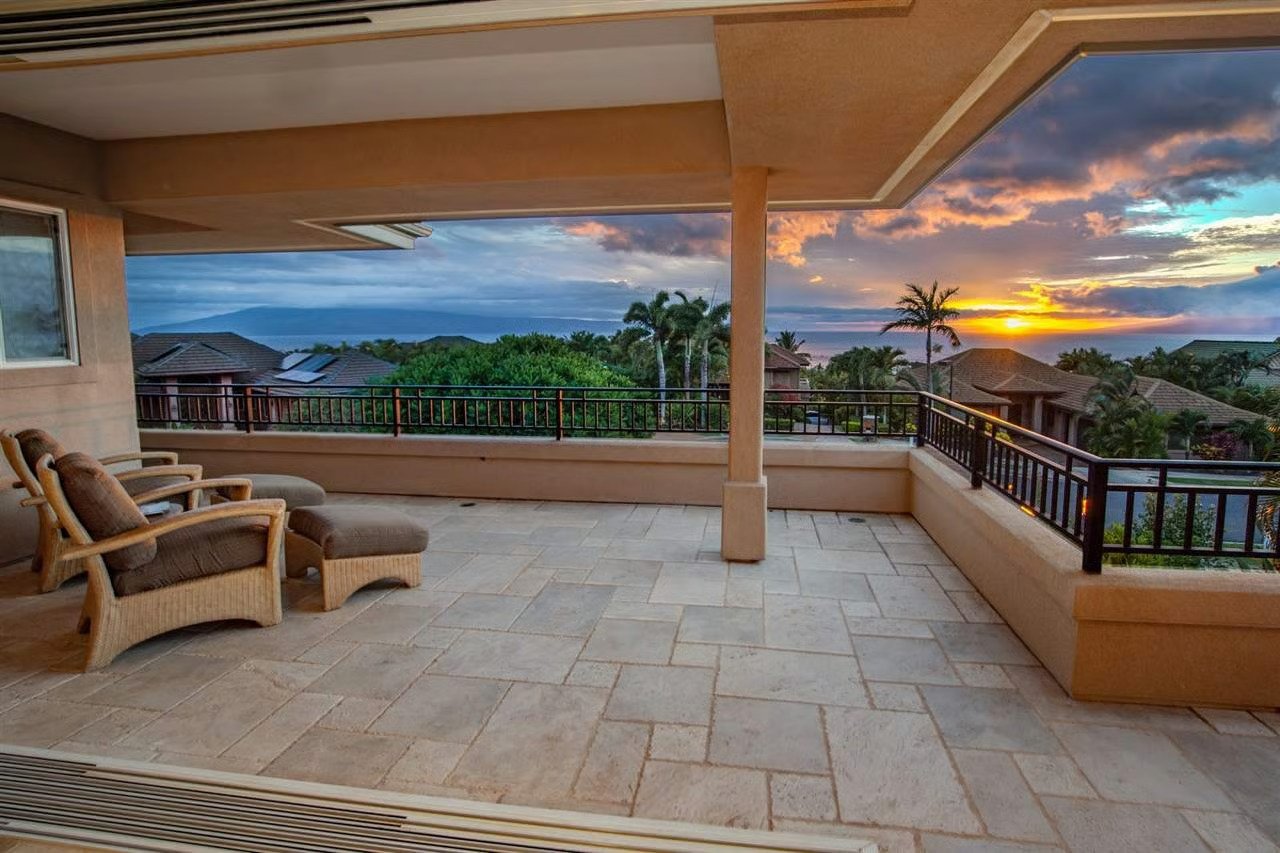
Focus on the living room, master bedroom, and kitchen. These three rooms have the greatest influence on buyer decisions. On Maui, always focus on the view and the outdoor space. The view is the money shot. Trim the bushes and trees to maximize your view if you have one.
Is virtual staging a good alternative to physical staging?
Virtual staging is a cost-effective option for vacant properties. AI Tools digitally furnish empty rooms for online listings at a fraction of physical staging costs, though disclosure to buyers is required. A good practice is to show both virtually staged photos and photos of the empty space as well so there is no confusion. In our experience virtual staging is better than no staging and will capture attention in the initial photos, but will not have the same impact when the buyers come to view the property in person.
How long does it take to stage a home?
Most homes can be staged over a weekend with focused decluttering, depersonalizing, and furniture rearranging. Professional staging consultations typically take one to three days depending on property size. If items are being purchased for the staging there can be a lead time in shipping items to Maui, so planning ahead is key.
Does an empty home sell as well as a staged one?
No. Empty homes tend to sit longer on the market because buyers struggle to visualize scale and lifestyle without furniture. Staging provides the visual context buyers need to feel emotionally connected to a space.
I am selling my home furnished. Do I need staging?
Yes. Even furnished homes generally need a set of fresh eyes and often some editing to make the most of their presentation for selling. We often work with existing furniture and find creative and cost-effective solutions to maximize your results.
Thinking of Selling your Maui Home? Contact Us for a confidential consultation.
Heidi Dollinger, R(B) - 808-359-4245
Mark Janes, R(S) - 808-494-0599
Pacific Island Partners | Island Sotheby's International Realty
Recommended
How to sell a Maui Hawaii property: expert steps for luxury owners
How to buy Maui real estate: Expert steps for buyers | Pacific Island Partners