Quick Summary
Hawaii’s HB103 Hawaii and SB180 Hawaii are two major laws shaping real estate in 2026.
- HB103 helps speed up housing development and permitting
- SB180 increases environmental protections and coastal building restrictions
Together, they reinforce long-term scarcity and strategic value in Maui real estate.
What is HB103 in Hawaii?
HB103 Hawaii is a housing reform law designed to accelerate residential development across Hawaii.
Key impacts:
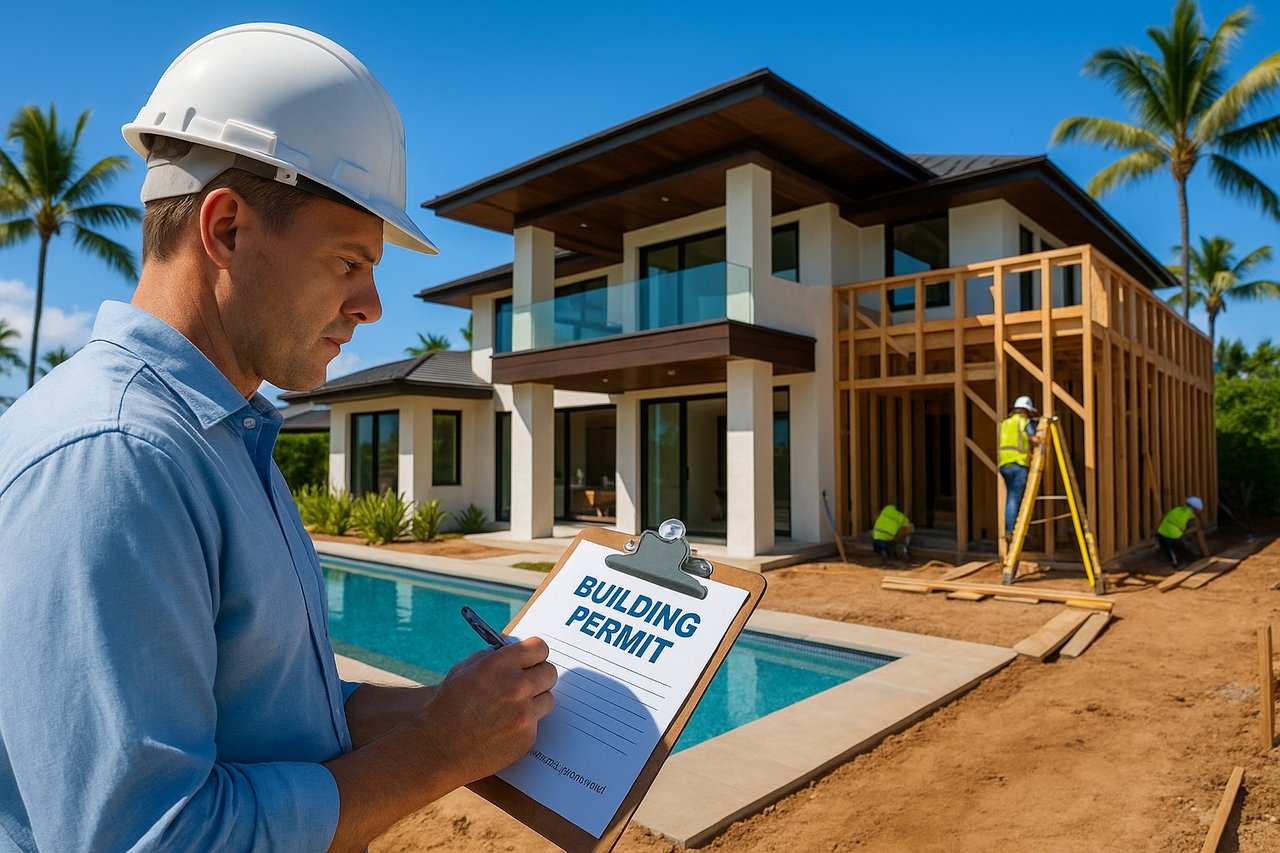
- Faster permitting and approvals
- Increased focus on affordable and workforce housing
- Support for post-Lahaina rebuilding efforts
- Reduction of county-level delays
This law is intended to address Hawaii’s housing shortage while improving the efficiency of development timelines.
What is SB180 in Hawaii?
SB180 Hawaii focuses on climate resilience, coastal protection, and long-term land use planning.
Key impacts:
- Stricter coastal setbacks
- Increased environmental review requirements
- Consideration of sea level rise risks
- Greater emphasis on resilient home design
For buyers and developers, this introduces additional layers of due diligence—particularly for oceanfront and low-lying properties.
Why HB103 and SB180 Work Together
At first glance, it may seem contradictory that one bill is designed to speed up development while the other introduces additional oversight. In practice, they operate in different parts of the system and are highly complementary.
HB103 focuses on improving process—how quickly and efficiently projects move through approvals. It reduces unnecessary delays and helps viable housing projects move forward.
SB180 focuses on place—where and how development should occur. It ensures that growth is guided by environmental realities, particularly along Hawaii’s vulnerable coastlines.
The distinction is simple but important:
- HB103 creates efficiency by removing friction
- SB180 provides guardrails by defining appropriate development
Without HB103, even well-suited projects can be delayed unnecessarily. Without SB180, development could move forward in areas that may not be sustainable over time.
Together, they create a more balanced system—one that allows for faster approvals where development makes sense, while maintaining strong protections where it does not.
How These Laws Impact Maui Real Estate
Supply Will Increase—But Slowly
Even with HB103:
- Land is limited
- Infrastructure is constrained
- Community oversight remains strong
This means there will not be a rapid increase in available housing inventory.
Coastal Property Becomes More Valuable
With SB180:
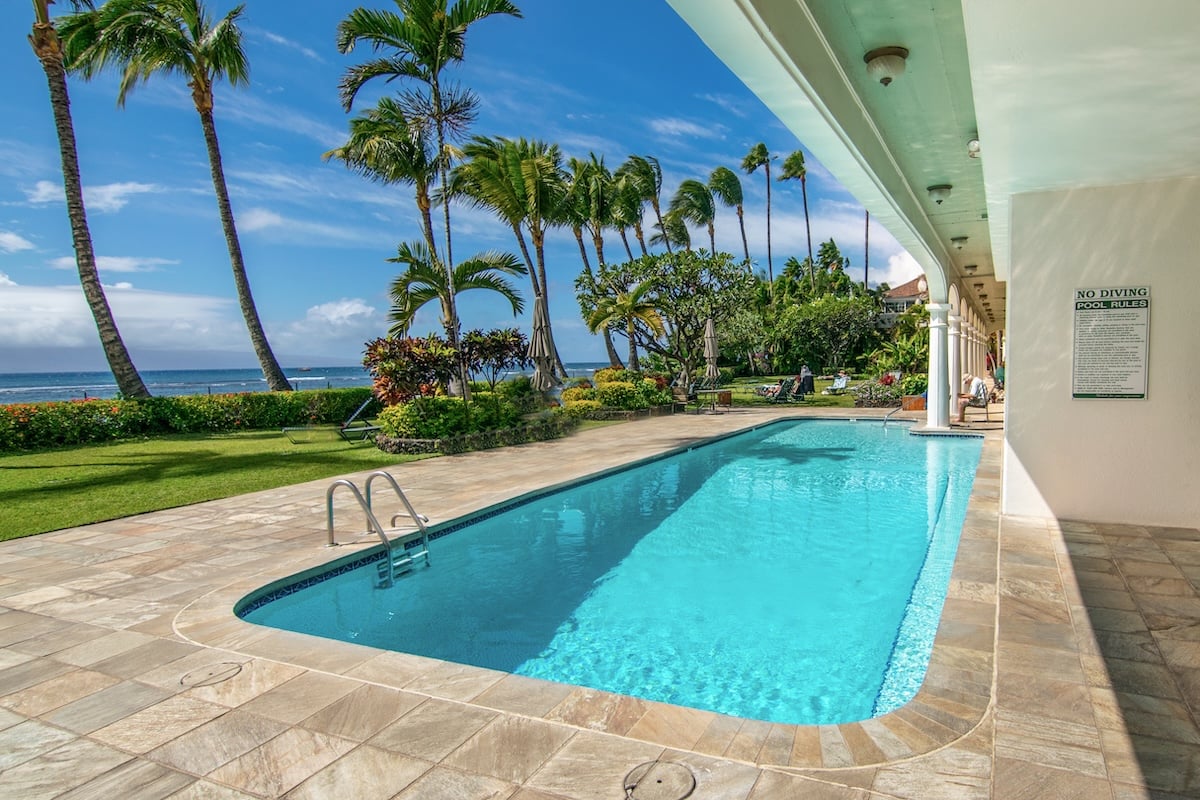
- Fewer buildable oceanfront lots
- More restrictions on future development
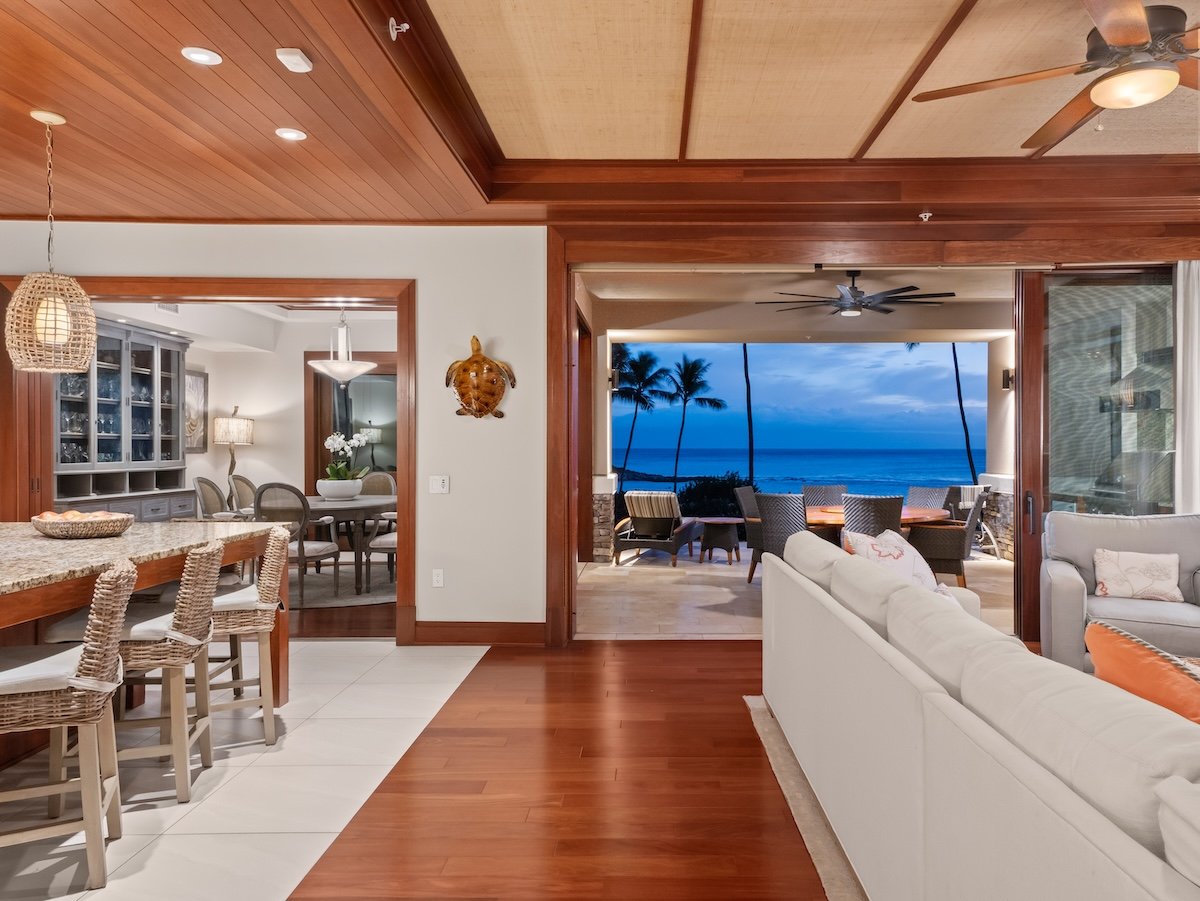
Existing homes and properly entitled land gain additional scarcity value.
Entitled Land Becomes a Strategic Asset
Properties with:
- Approved permits
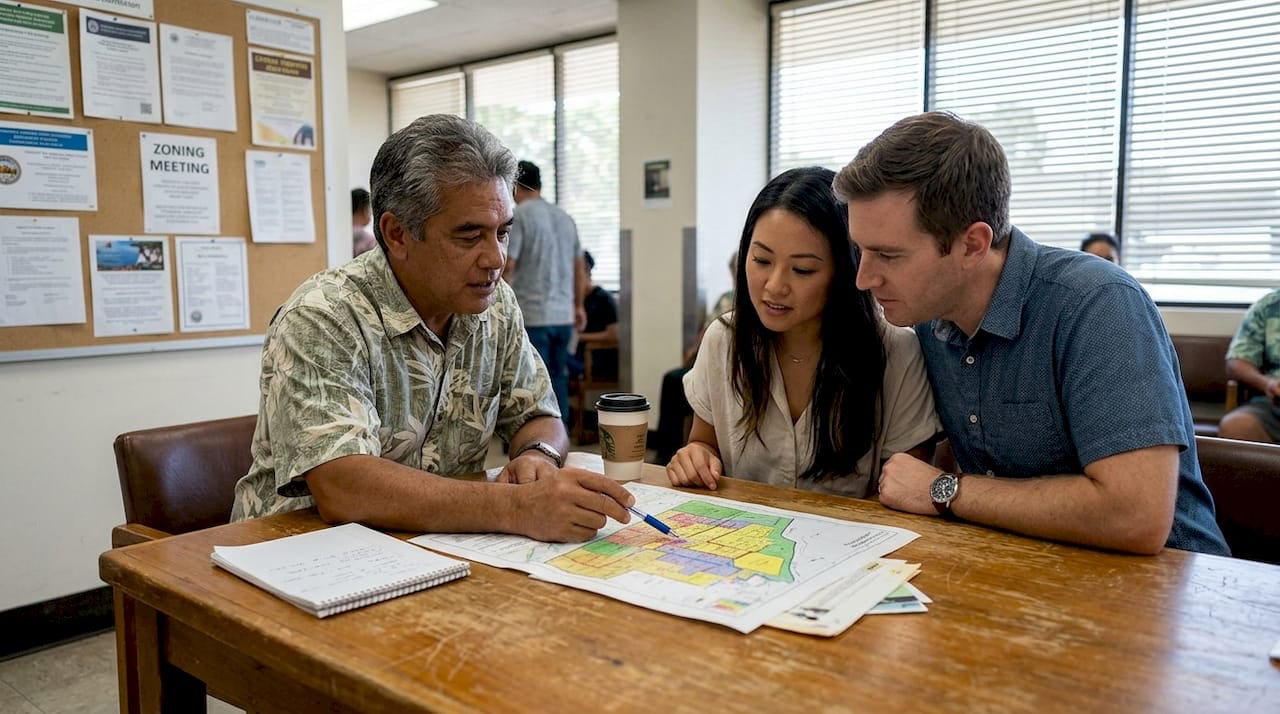
- Clear zoning
- Defined development pathways
are positioned to become significantly more valuable over time.
What This Means for Buyers, Sellers, and Investors
Buyers
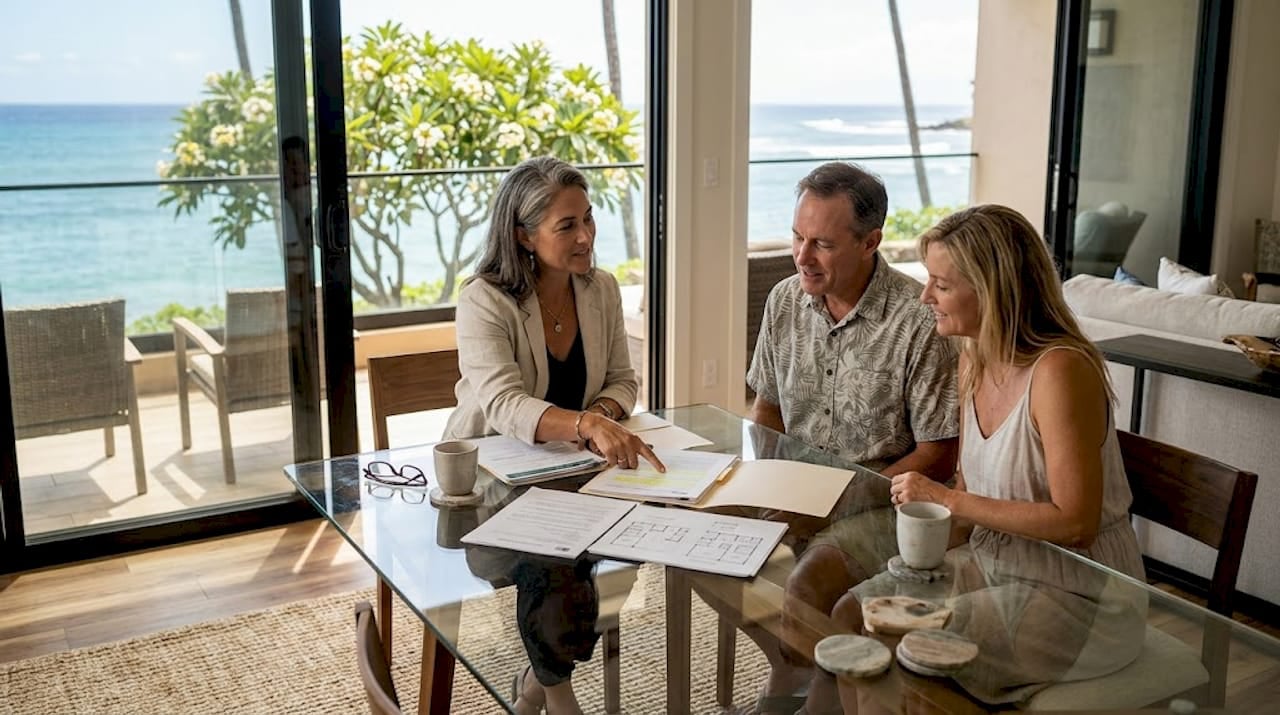
For those looking to purchase in Maui, these laws bring greater clarity to an already complex market. They place a premium on understanding zoning, entitlements, and long-term usability—rewarding buyers who take a thoughtful, informed approach to securing property with lasting value.
Sellers
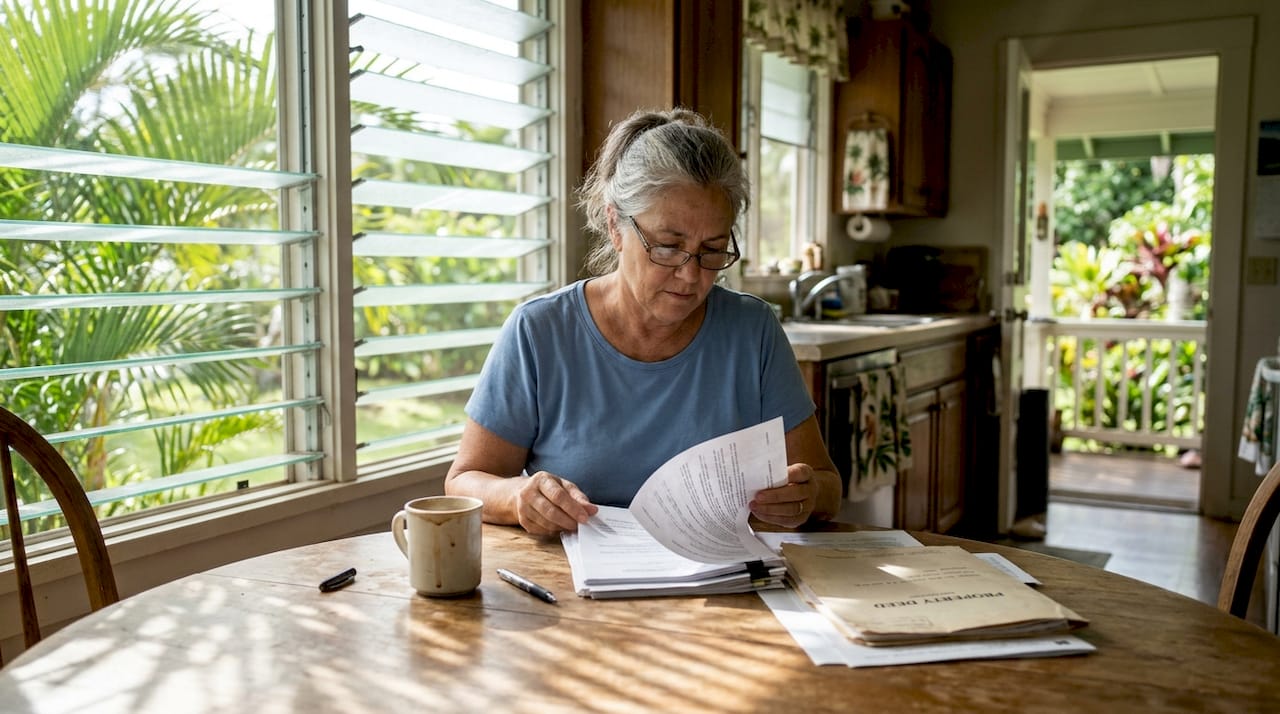
For sellers, these changes reinforce the value of well-positioned properties. As development becomes more selective and regulated, existing homes and entitled land stand out—offering a compelling advantage when presented with clear strategy and market insight.
Investors and Developers
- Regulatory navigation is a competitive advantage
- Timing and approvals are critical
- Maui remains a high-barrier, high-value market
A Strategic Perspective
Hawaii real estate has always been shaped by scarcity, stewardship, and long-term value.
HB103 and SB180 reinforce this dynamic by encouraging development while maintaining strict environmental protections.
The opportunity lies not in speed, but in understanding how to navigate the system effectively.
Final Thoughts
For buyers, these laws bring greater clarity to an already complex market, rewarding those who understand zoning, entitlements, and long-term potential. For sellers, they reinforce the value of well-positioned properties—where existing homes and entitled land benefit from increasing scarcity and thoughtful market positioning.
Work With Pacific Island Partners
We provide discreet real estate representation and strategic advisory across Maui and the Hawaiian Islands.
Pacific Island Partners
Building dreams in Hawaii, one luxury home at a time.
FAQ Section
What is HB103 in Hawaii?
HB103 is a housing reform law designed to speed up permitting and increase housing supply across Hawaii.
What is SB180 in Hawaii?
SB180 focuses on climate resilience, including coastal setbacks, environmental protections, and building restrictions.
Will these laws lower Maui home prices?
While HB103 may increase supply slightly, SB180 introduces additional constraints, which supports long-term property values.
Can you still build oceanfront homes in Maui?
Yes, but regulations are becoming stricter, making existing properties and entitled land more valuable.