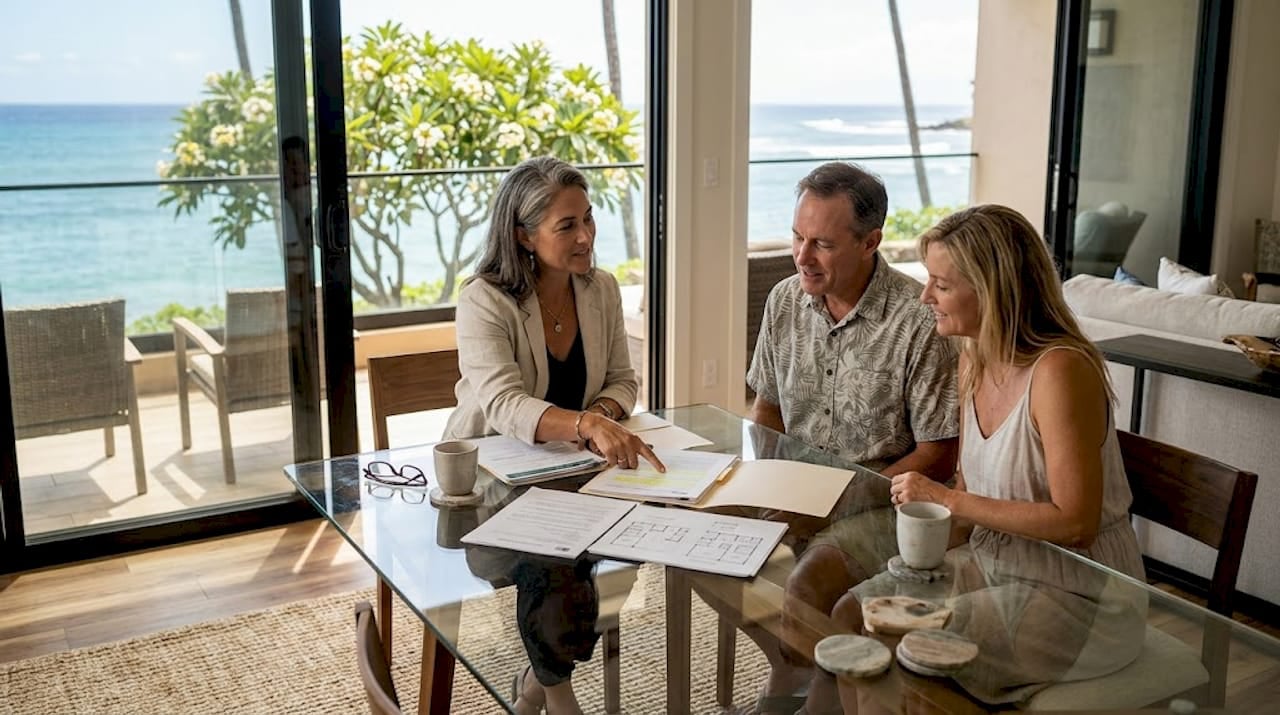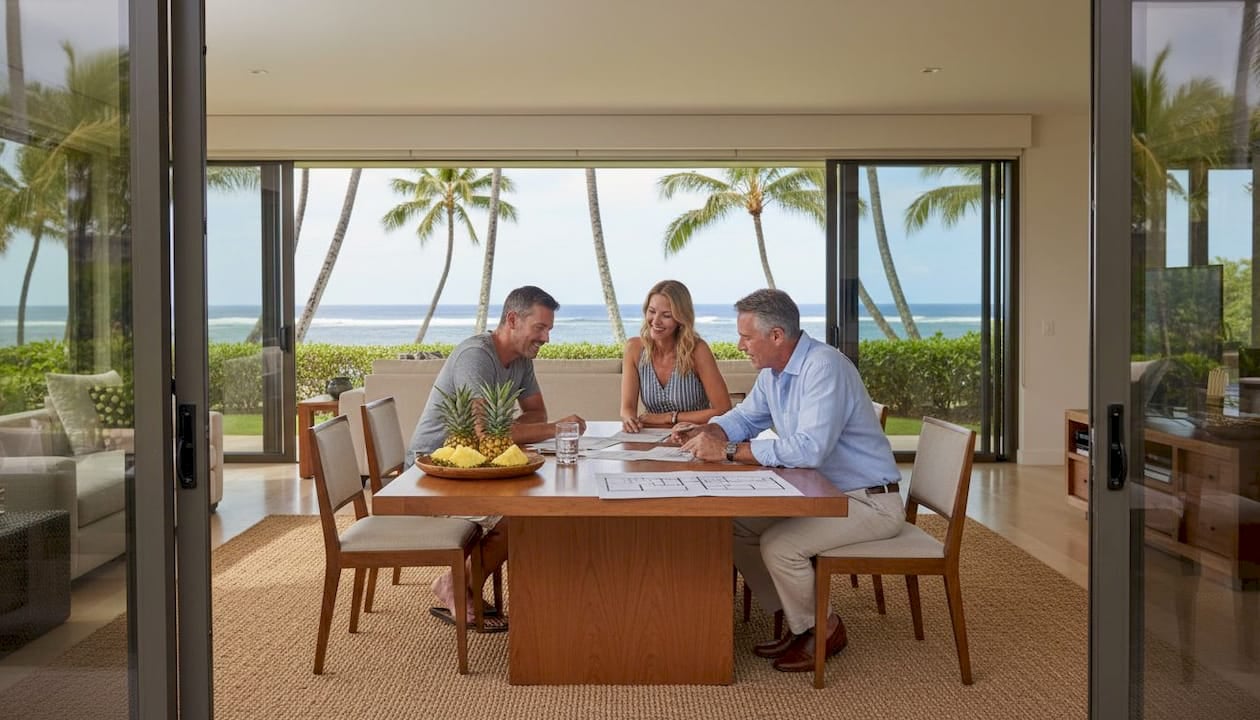
We recently hosted a private homeowner event in West Maui with David Sellers, Principal Architect of Hawaii Off-Grid Architecture & Engineering.
The focus wasn’t just architecture—it was something far more relevant to anyone in today’s market:
How the future of living in Hawaii is reshaping real estate value
Whether you’re considering buying, selling, or building, the insights from this discussion directly impact how properties are evaluated—and where the market is heading.
Why This Matters Right Now for Buyers and Sellers
The Hawaii real estate market is evolving.
Not just in pricing—but in what actually makes a property valuable.
Today’s buyers are becoming more focused on:
- Energy efficiency
- Climate resilience
- Long-term operating costs
- Independence from grid disruptions
At the same time, sellers need to understand:
- How to position their property in this changing landscape
- Which features create a premium—and which are becoming outdated
Building in Hawaii: What Buyers Should Understand (and Sellers Should Communicate)
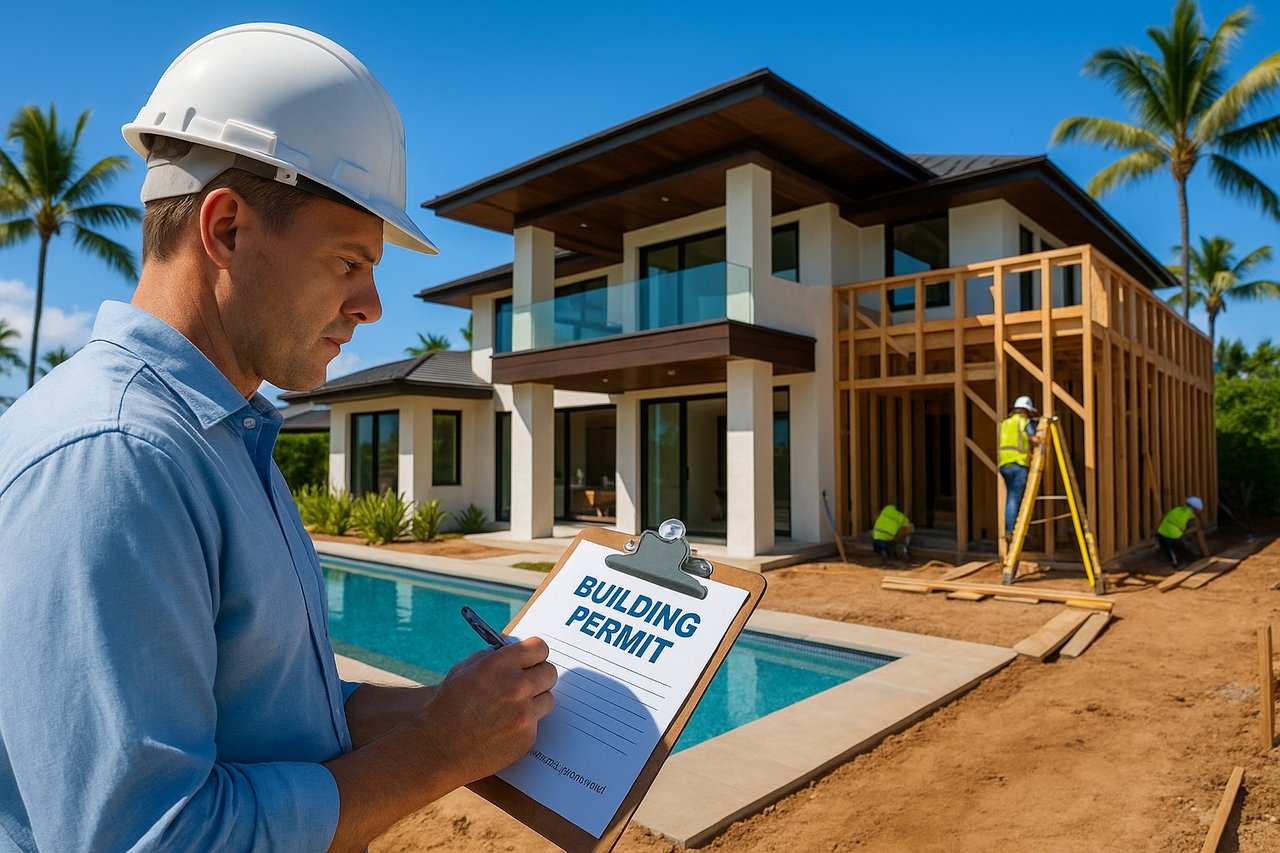
Hawaii is one of the most complex construction environments in the world.
Most materials are shipped from the mainland, typically taking 4–10 days, with added costs and exposure to salt air and moisture.
For Buyers
This means replacement cost matters. A well-built home is not just convenient—it can save significant time, stress, and capital.
For Sellers
Homes that demonstrate thoughtful construction and durability should be positioned as long-term assets—not just lifestyle purchases.
Microclimates: The Hidden Factor Driving Property Value
Not all locations on Maui—or any island—perform the same.
Trade winds, elevation, and geography create dramatically different microclimates within short distances .
For Buyers
Understanding microclimate helps you choose the right location for comfort, maintenance, and long-term livability.
For Sellers
If your property benefits from favorable conditions (cooler temperatures, consistent breezes, protection from elements), this should be clearly highlighted in your marketing.
Climate Change and Real Estate: What It Means for Value
The data is clear:
- ~50% reduction in trade wind days
- 34+ additional days per year above 90°F
- ~2°F increase in temperatures
- 85% of beaches impacted by erosion
For Buyers
Future-proofing matters. Properties designed for resilience will hold value better over time.
For Sellers
Homes that already incorporate climate-conscious design can command stronger positioning in the market.
Energy Independence: One of the Most Important Buyer Trends
Hawaii Off-Grid designs every new home to be net-zero or better .
Features include:
- Solar + battery systems
- Water independence through catchment
- Homes that function during outages
For Buyers
Energy independence means:
- Lower monthly costs
- Reliability during outages
- Long-term sustainability
For Sellers
Properties with solar, battery storage, or efficient systems should be marketed as premium features—not add-ons.
Sustainability Is Becoming a Value Driver
Buildings contribute approximately 40% of global CO₂ emissions .
This is changing buyer behavior.
For Buyers
Sustainable homes align with both lifestyle and long-term financial thinking.
For Sellers
Eco-conscious features are no longer niche—they are increasingly expected in higher-end properties.
Materials and Construction: What Smart Buyers Look For
New materials are changing how homes perform in Hawaii:
ICCF (Insulated Composite Concrete Forms)
- Strong insulation
- Fire resistance
- Structural durability
Mass Timber + Engineered Systems
- Sustainable
- Efficient
- Built for island conditions
For Buyers
Construction quality directly impacts maintenance, insurance, and long-term cost.
For Sellers
If your home uses high-performance materials, this should be clearly documented and communicated.
Lahaina and the Shift Toward Resilient Design
The Lahaina fires accelerated an important shift.
Future homes are increasingly being designed with:
- Fire-resistant materials
- Defensible space
- Simpler, faster construction systems
- Energy and water independence
For Buyers
Resilience is becoming part of due diligence.
For Sellers
Homes that align with these principles will stand out in a competitive market.
What This Means for You
If You’re Buying
Look beyond finishes and views.
Focus on:
- Energy systems
- Build quality
- Location-specific design
- Long-term operating costs
These are the factors that will define value over time.
If You’re Selling
Positioning is everything.
To maximize value:
- Highlight sustainability and efficiency features
- Tell the story of how the home performs—not just how it looks
- Align your property with where the market is heading, not where it’s been
Frequently Asked Questions
What features are buyers looking for in Hawaii right now?
Energy efficiency, solar systems, resilience to climate conditions, and lower long-term operating costs.
Do solar and battery systems increase home value?
Yes. Buyers increasingly view energy independence as a premium feature.
Are off-grid homes desirable to buyers?
In Hawaii, yes. They offer independence, sustainability, and reliability.
How does climate change impact property values?
Properties designed for resilience are more likely to hold long-term value.
What should sellers highlight in today’s market?
Efficiency, durability, location advantages, and any upgrades that reduce long-term costs.
Is now a good time to buy in Hawaii?
For long-term buyers, opportunities exist—especially for well-positioned properties.
How can I increase my home’s value before selling?
Focus on improvements that enhance efficiency, resilience, and operating cost savings.
Final Thought
The Hawaii real estate market isn’t just shifting—it’s maturing.
Buyers are becoming more informed.
Sellers need to be more strategic.
And the homes that will stand out are the ones designed for the future—not the past.
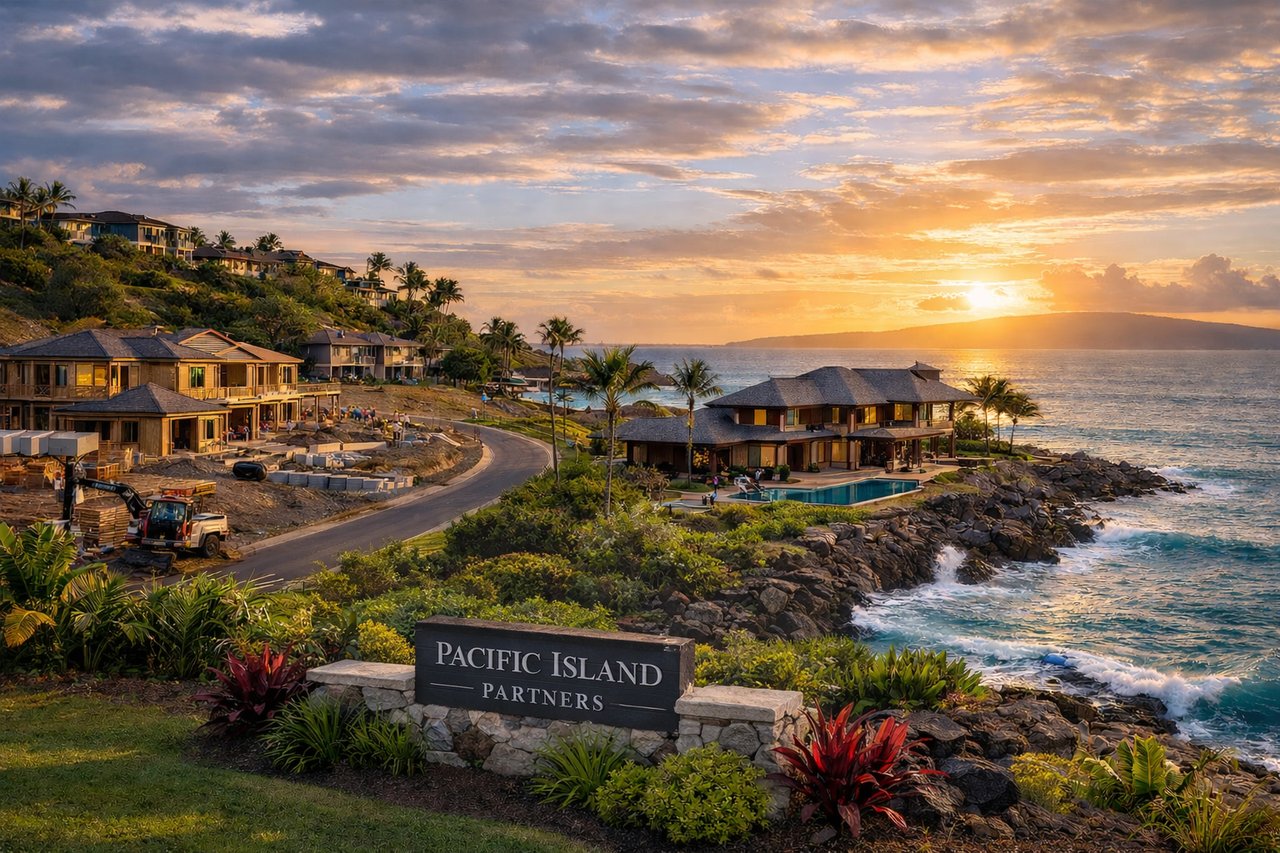
Pacific Island Partners
Building dreams in Hawaii, one luxury home at a time