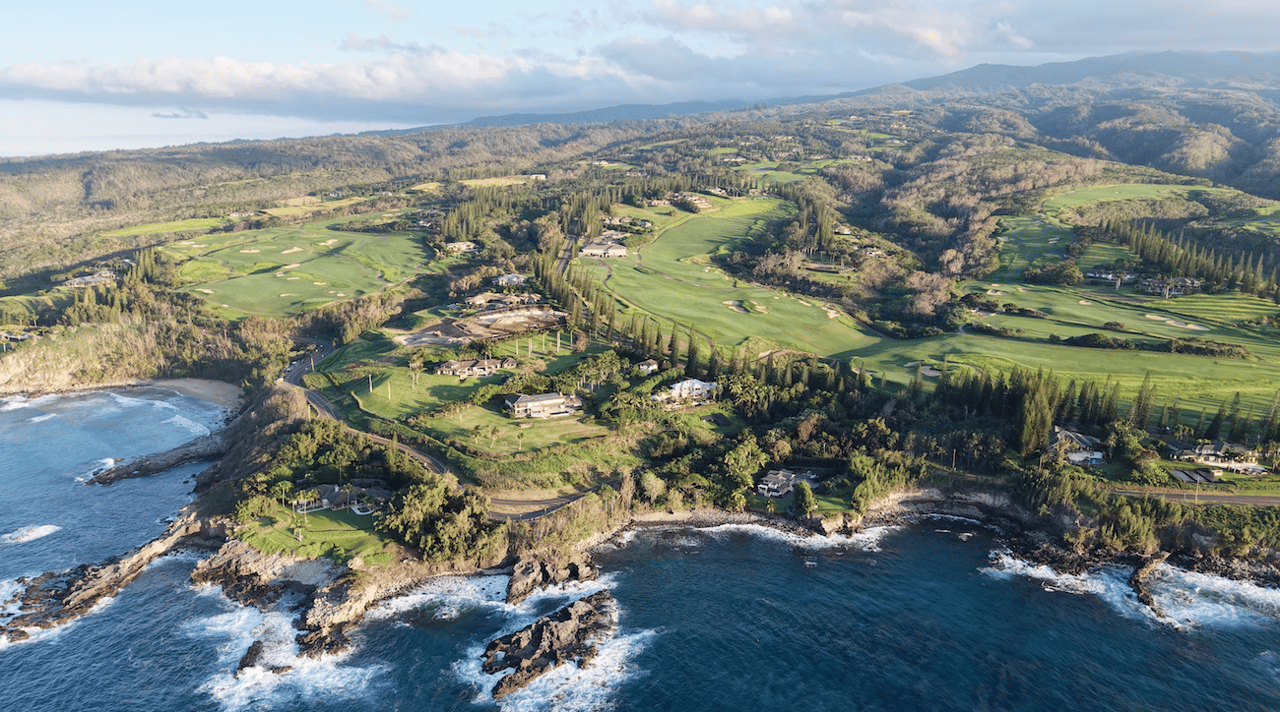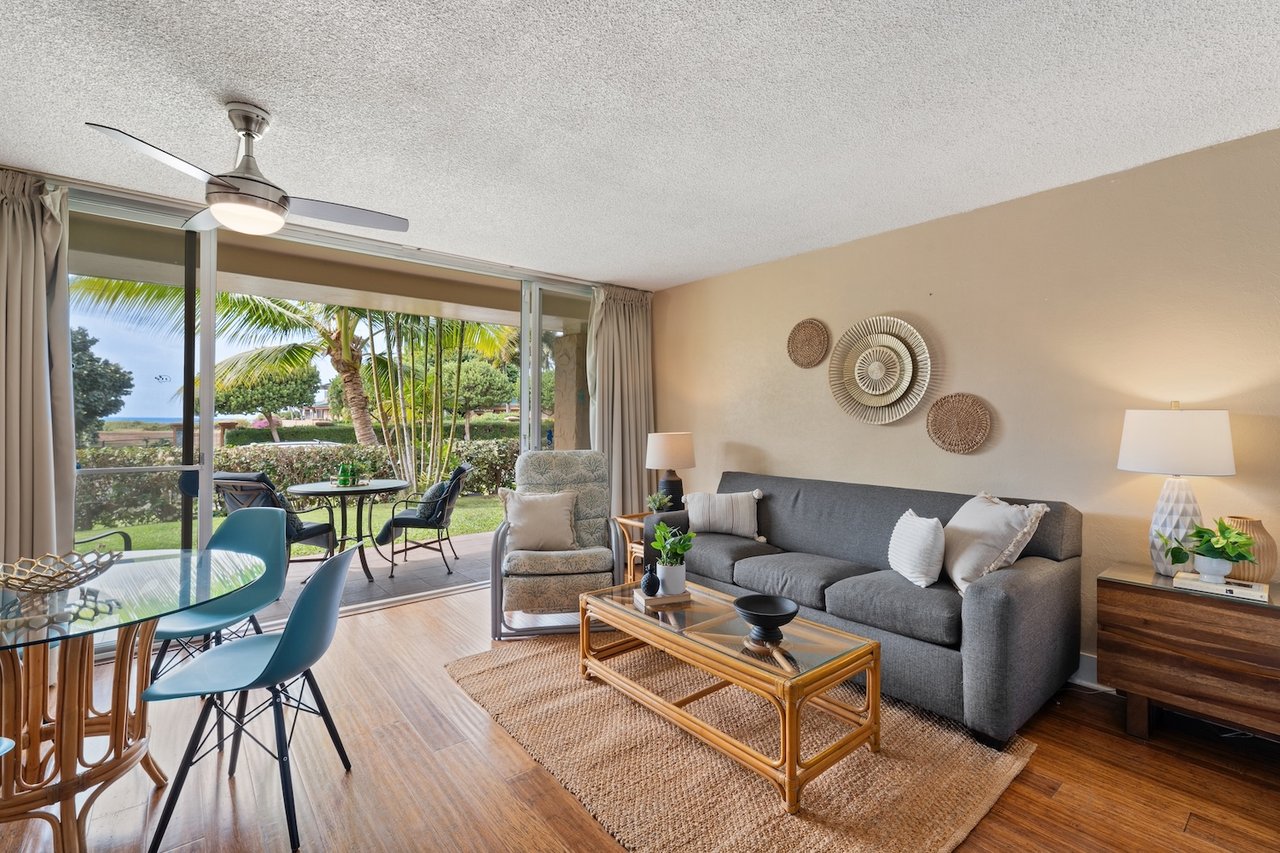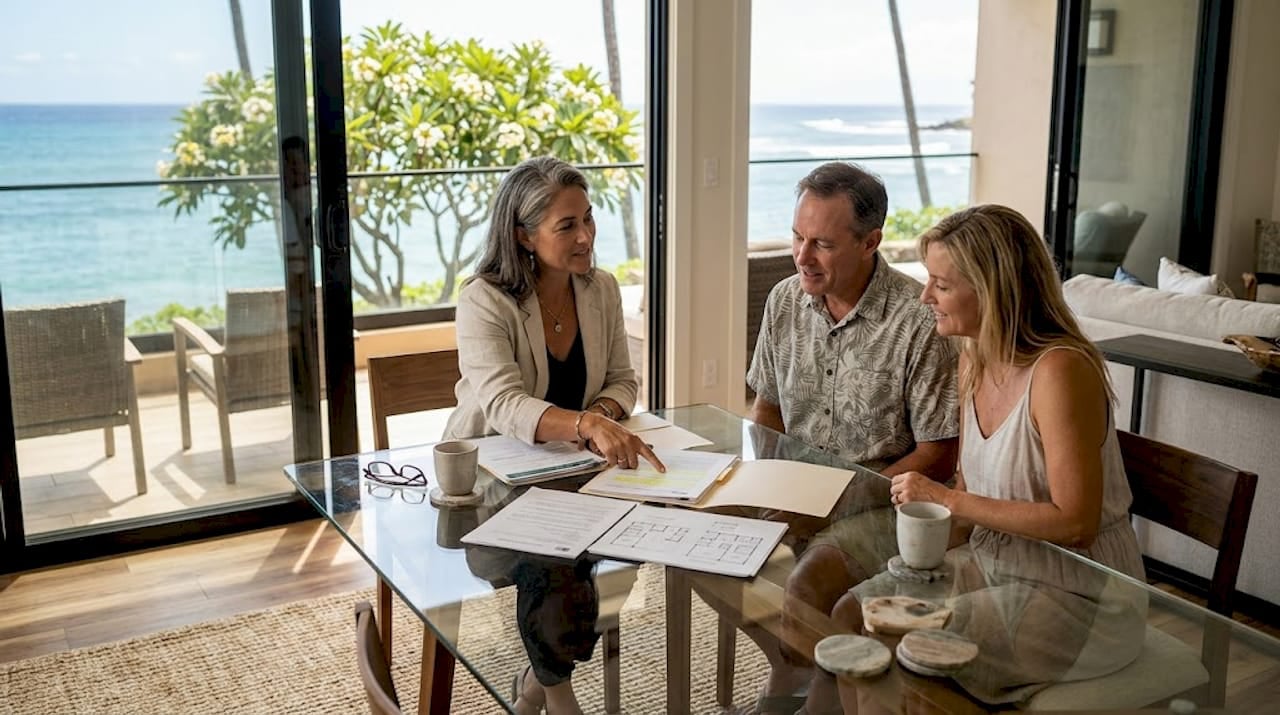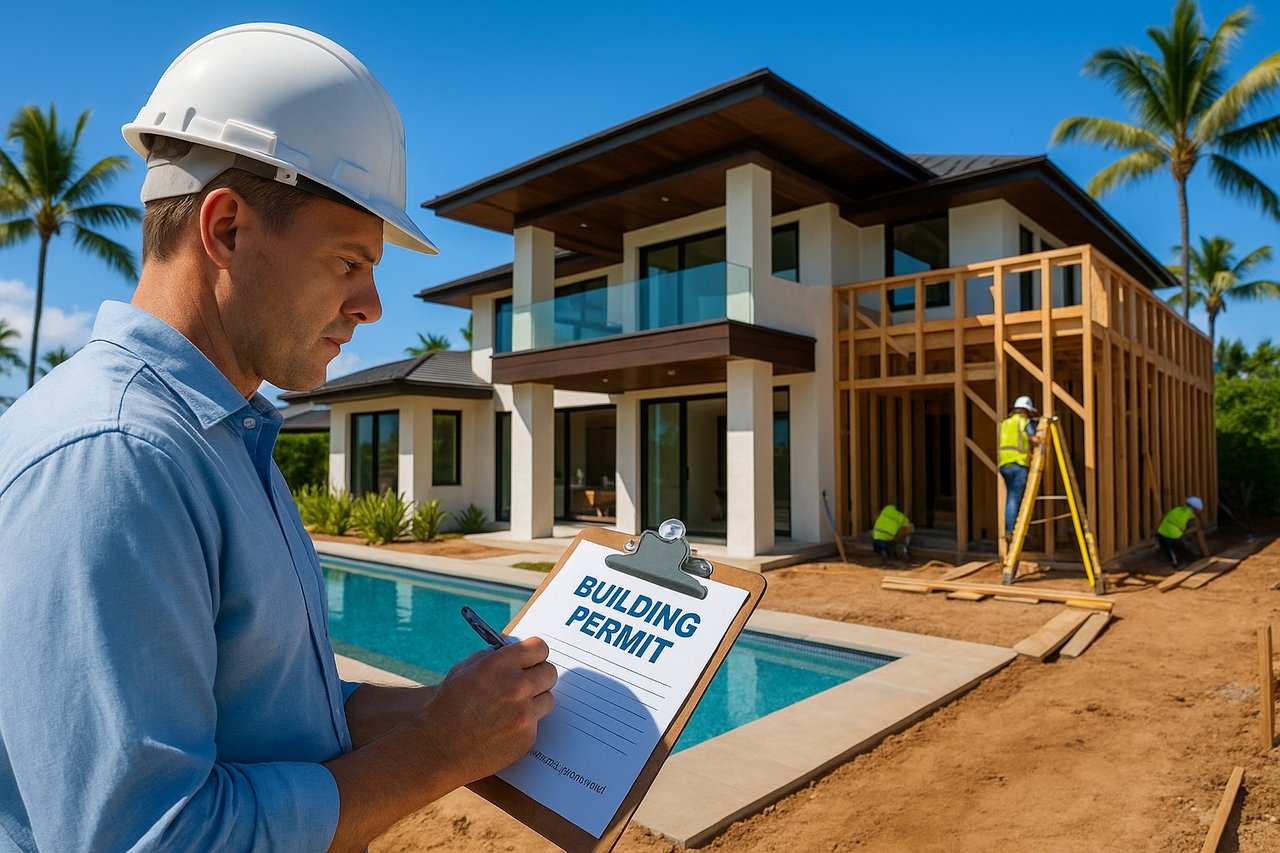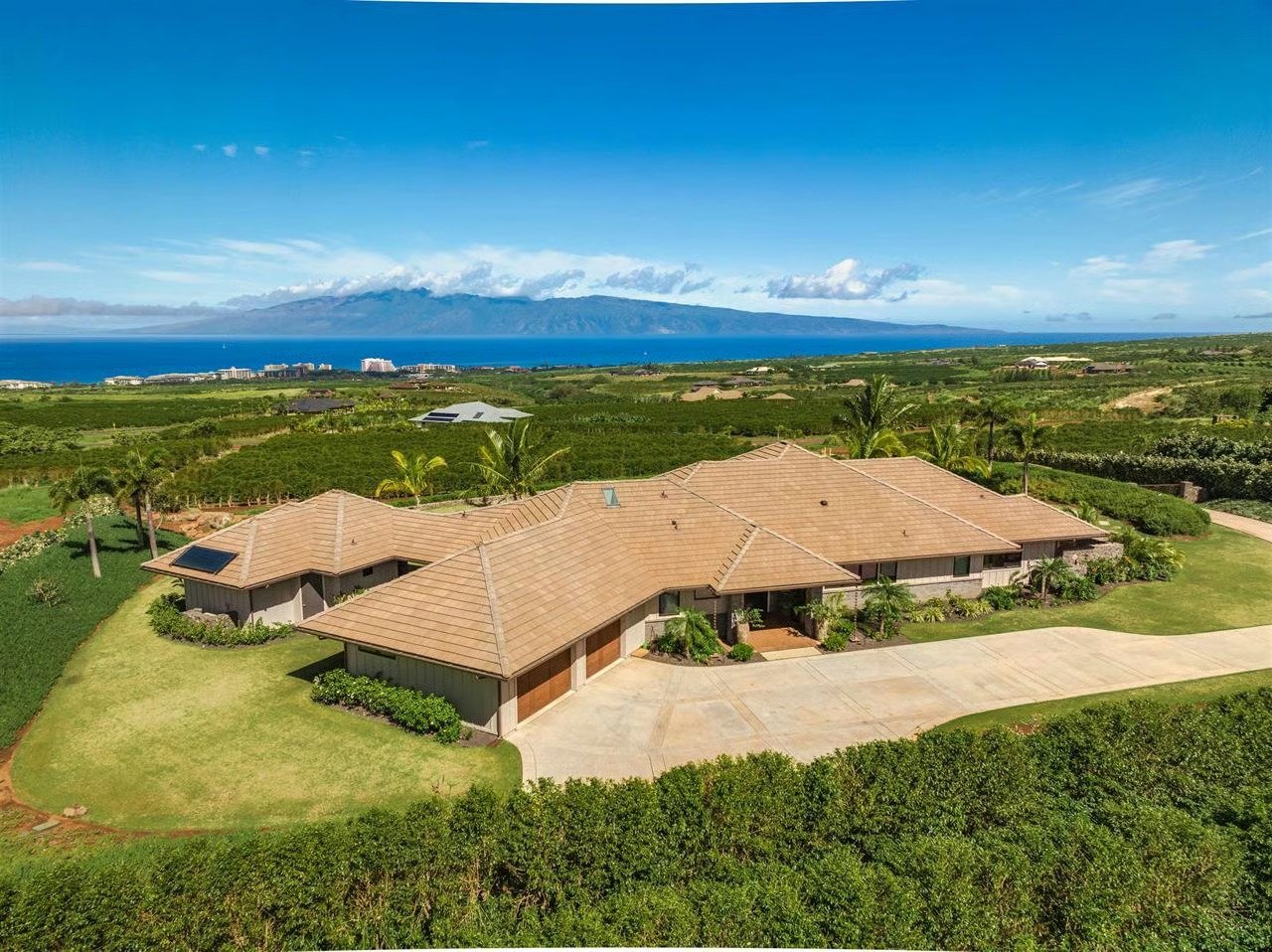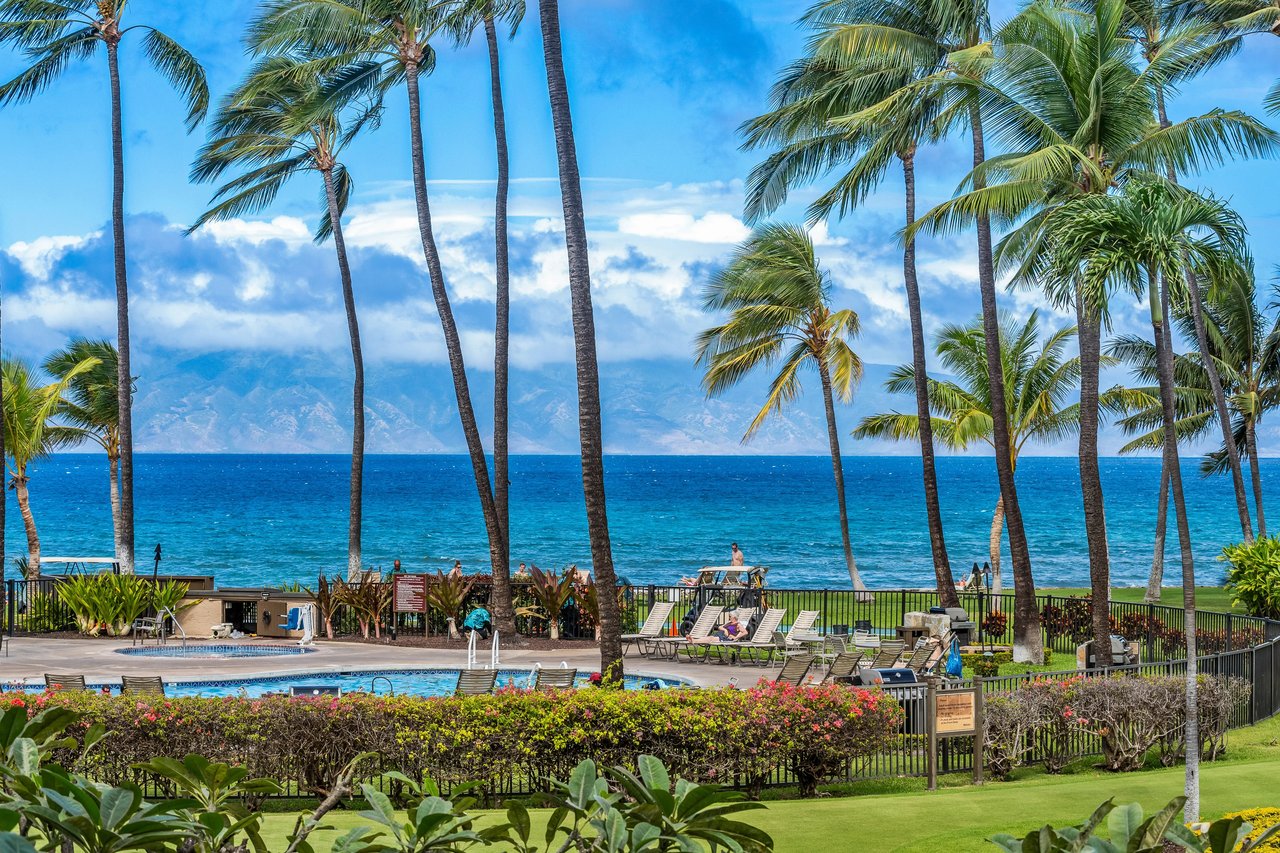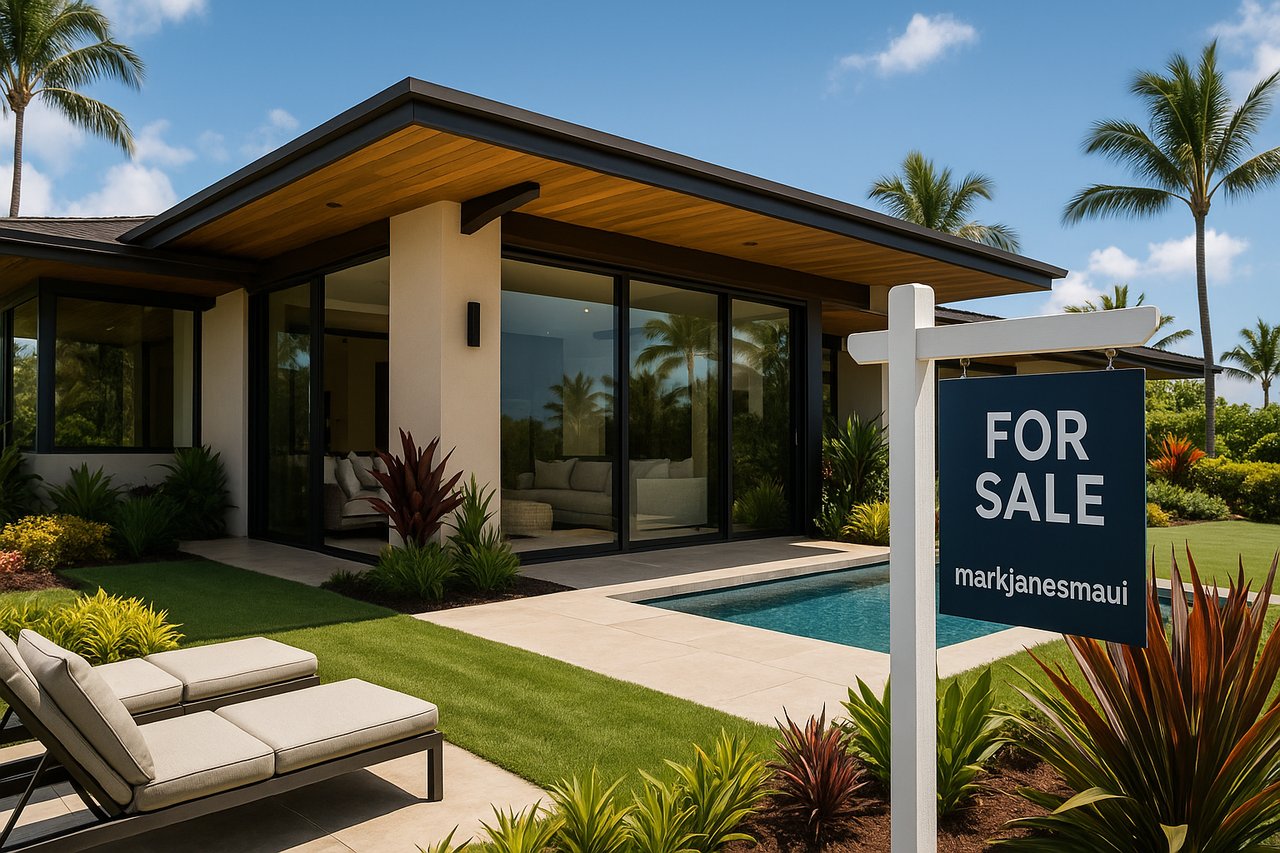
Many buyers arrive on Maui with a clear vision but a blurry definition. They imagine "investment property" means one specific thing, perhaps a beachfront condo generating steady rental income, when the reality spans a much wider and more nuanced landscape. From resort residences and luxury oceanfront estates to vacant land and long-term rental homes, the category is broader than most expect. This guide walks you through what truly qualifies as investment property in the Hawaiian Islands, the types available, how owners use them, and the financial realities that shape long-term returns. Understanding these distinctions before you buy can mean the difference between a legacy asset and a costly lesson.
Table of Contents
- Defining investment property in the Hawaiian Islands
- Types of investment properties available in Maui and Molokai
- Income strategies and usage: Vacation rentals, long-term rentals, and personal stays
- Key financial considerations: Purchase costs, taxes, and market trends
- Our perspective: What most guides miss about investment property in islands
- Explore investment property support with Pacific Island Partners
- Frequently asked questions
Key Takeaways
| Point | Details |
|---|---|
| Clear investment property definition | Understand what counts as investment property in Hawaii, from condos to resorts. |
| Property type matters | Choose the right property category based on income potential and personal goals. |
| Local rules impact strategy | Island-specific regulations and taxes significantly affect your investment approach. |
| Market trends drive decisions | Stay informed about Maui and Molokai pricing and tax trends for smarter investments. |
| Expert guidance avoids pitfalls | Consult local experts and use area guides to maximize returns and minimize risk. |
Defining investment property in the Hawaiian Islands
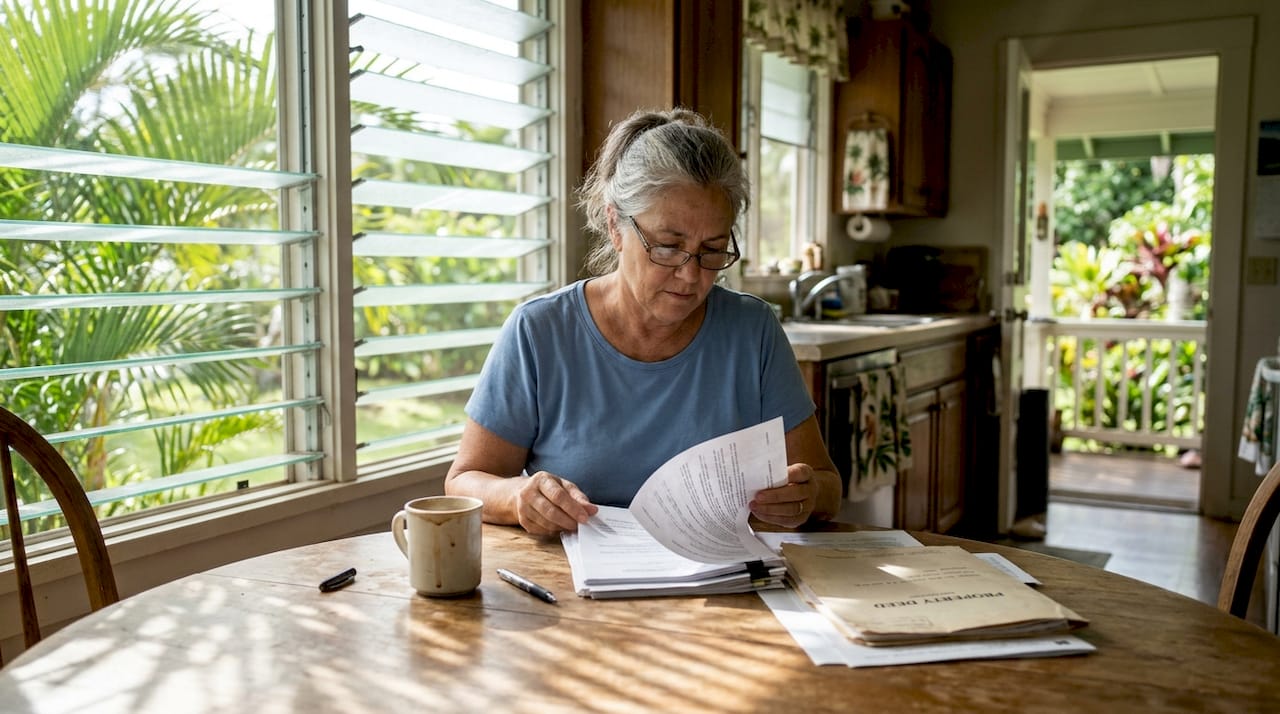
At its core, investment property is any real estate purchased primarily to generate income, build equity, or both. It is not your primary residence. It is not a second home you use exclusively for personal getaways. The defining factor is intent: you are acquiring the asset to work for you financially, whether through rental income, appreciation, or a combination of the two.
In Hawaii, this definition carries legal and tax weight. Vacation and long-term rentals are both considered investment property under Hawaii law, which means they are subject to different tax classifications, permit requirements, and financing rules than owner-occupied homes. This distinction matters enormously when you are structuring a purchase.
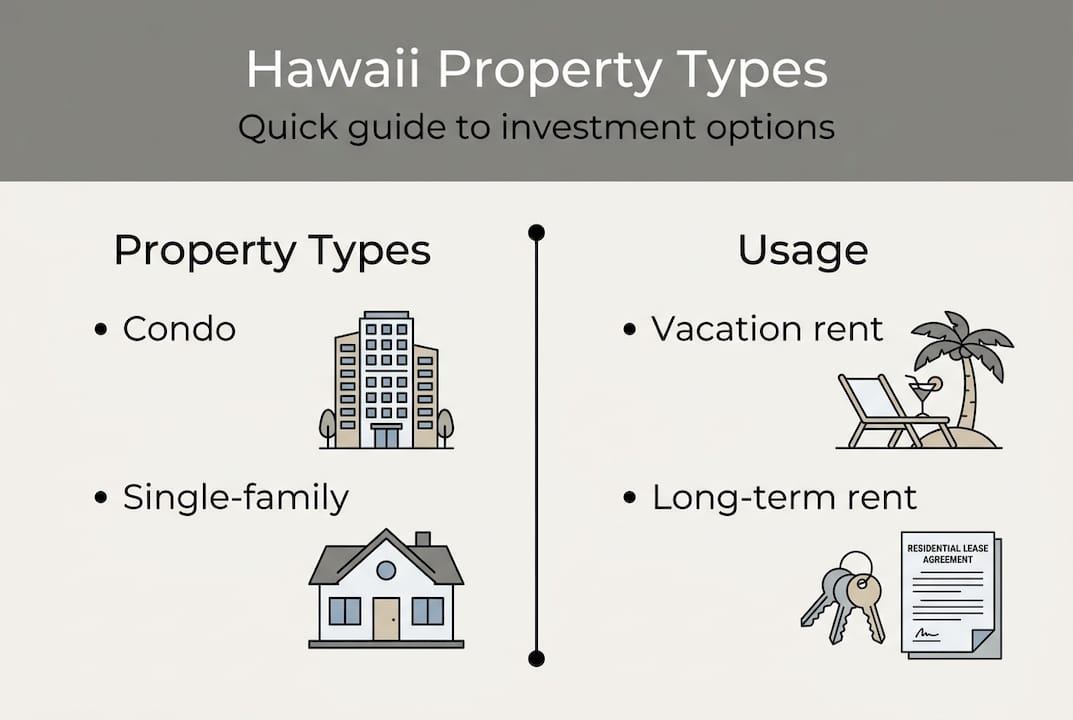
The most common investment property types in Maui and Molokai include:
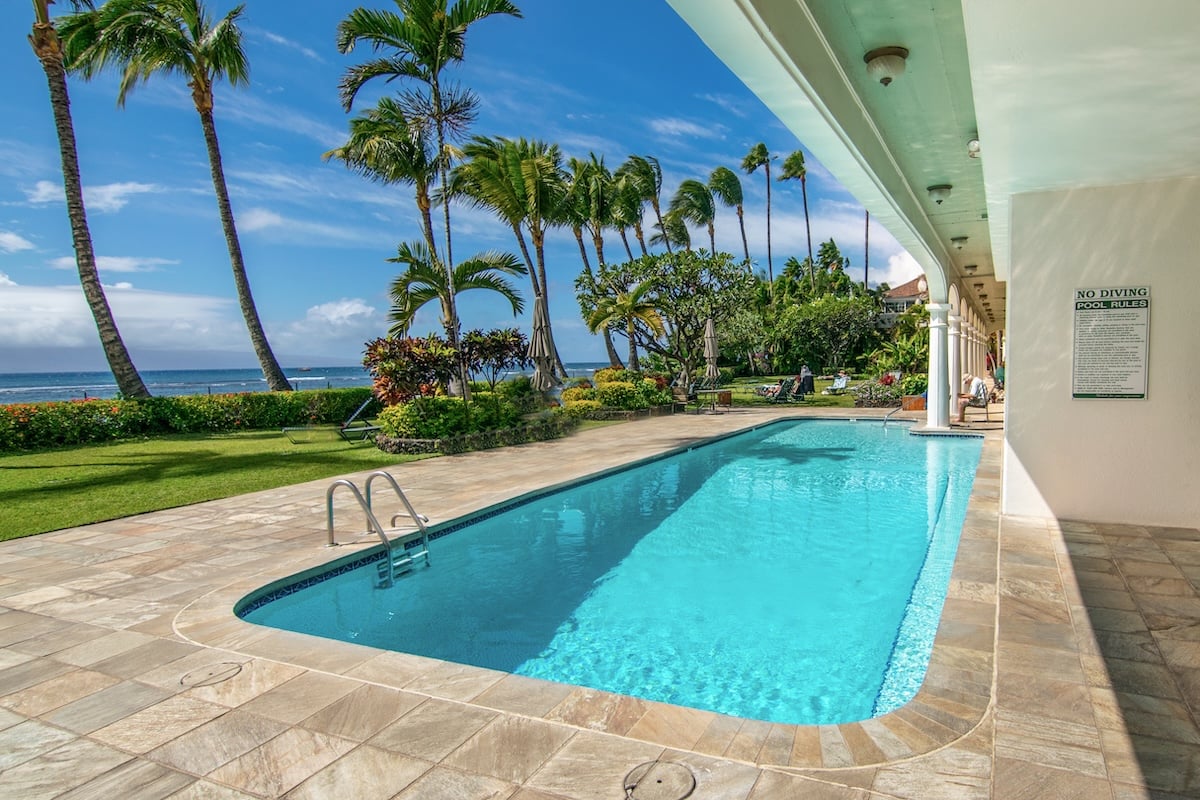
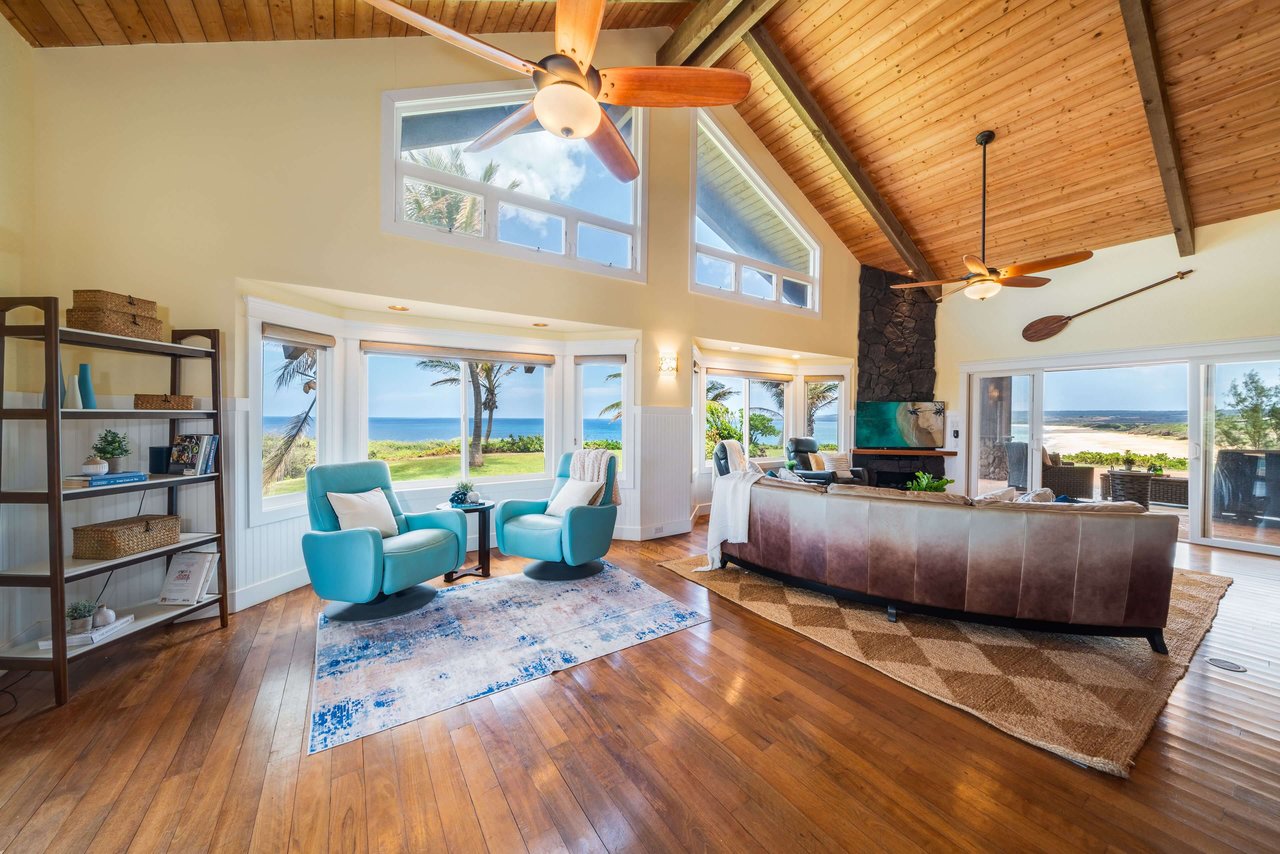
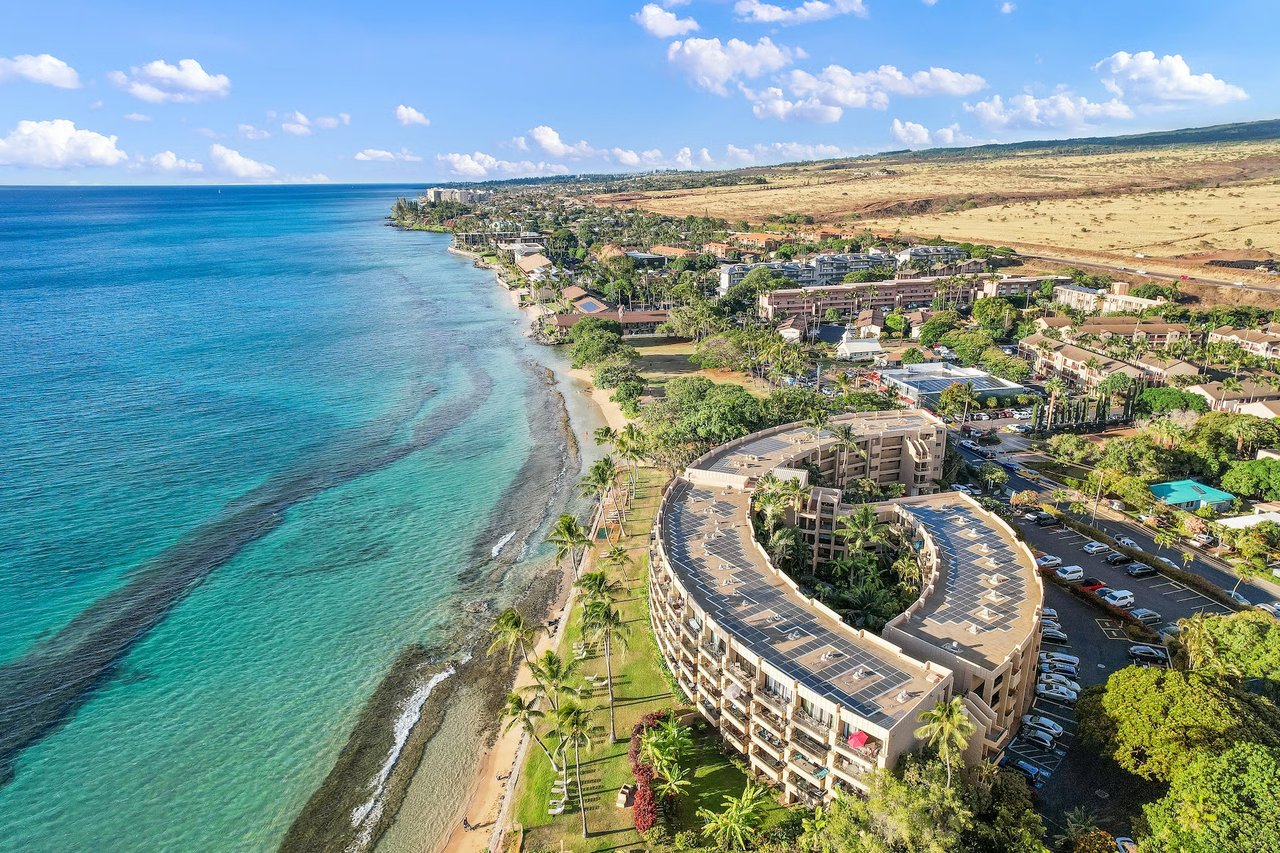
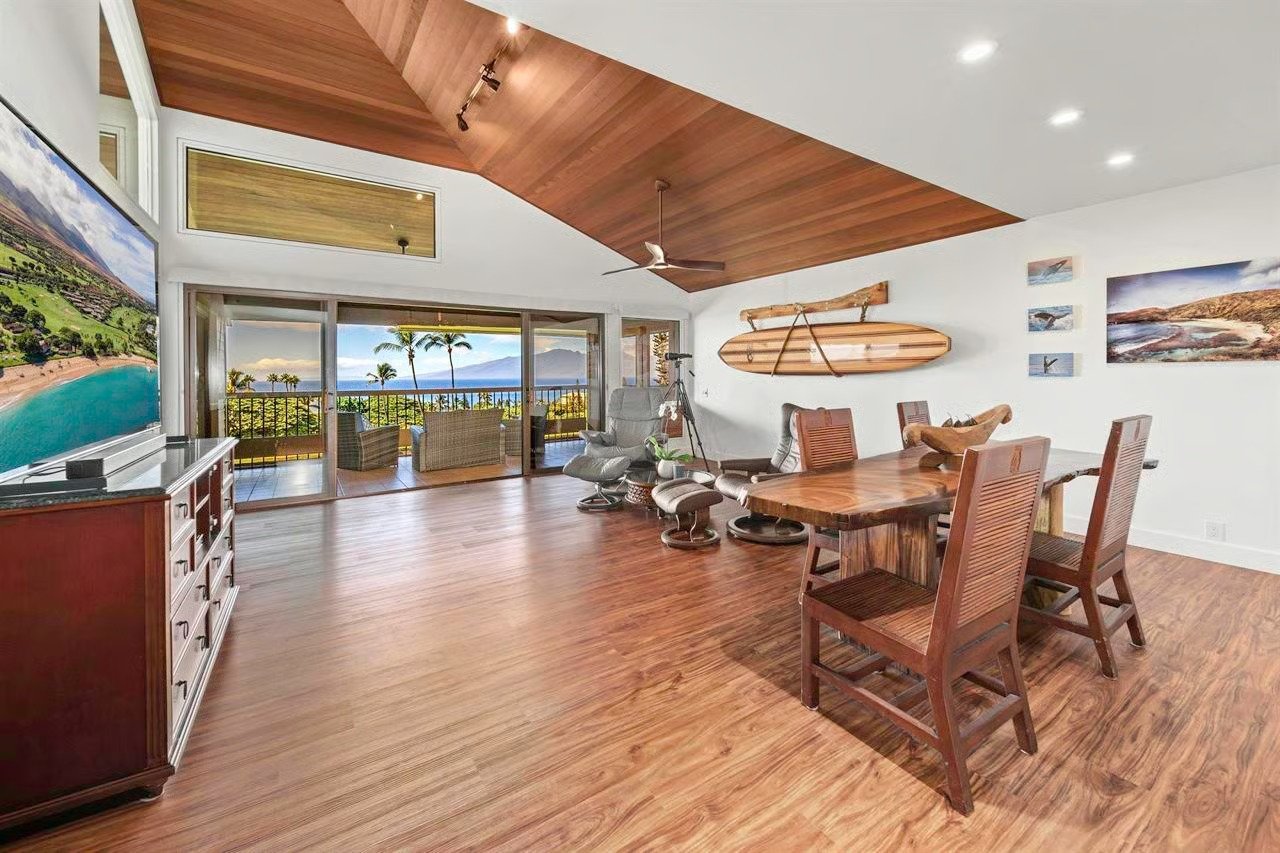
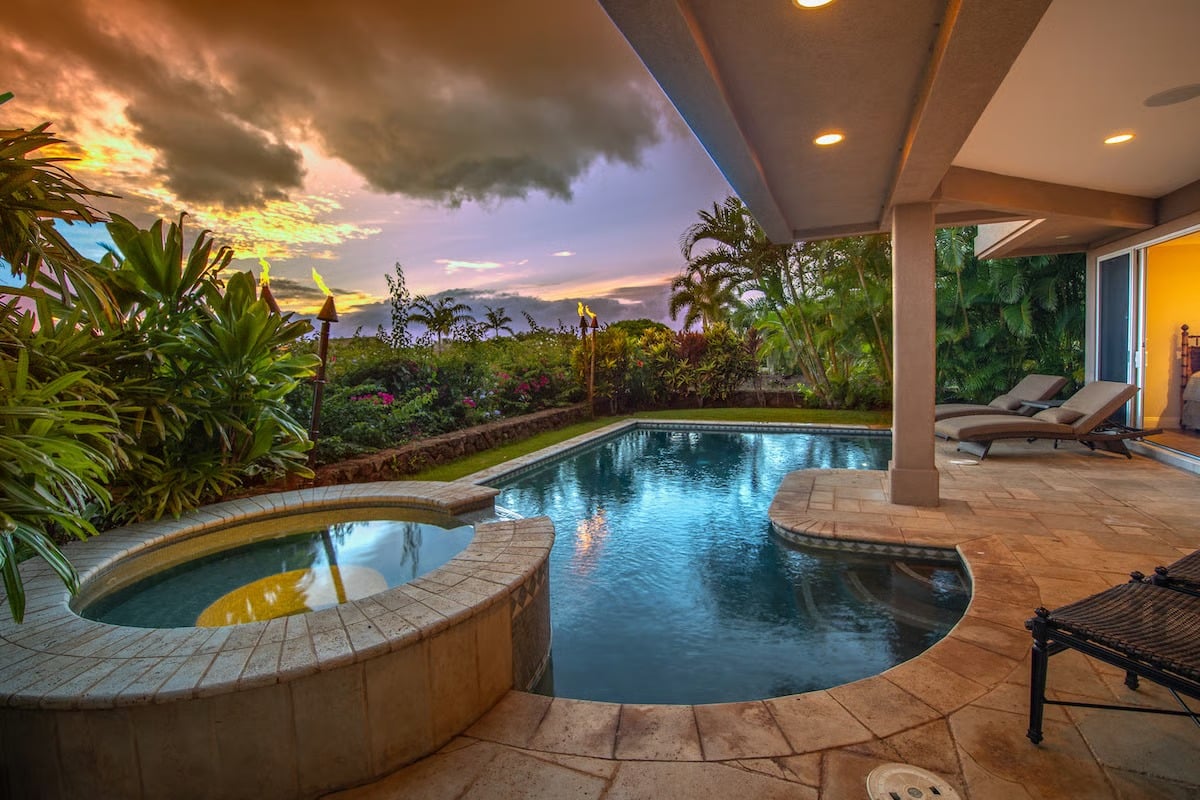
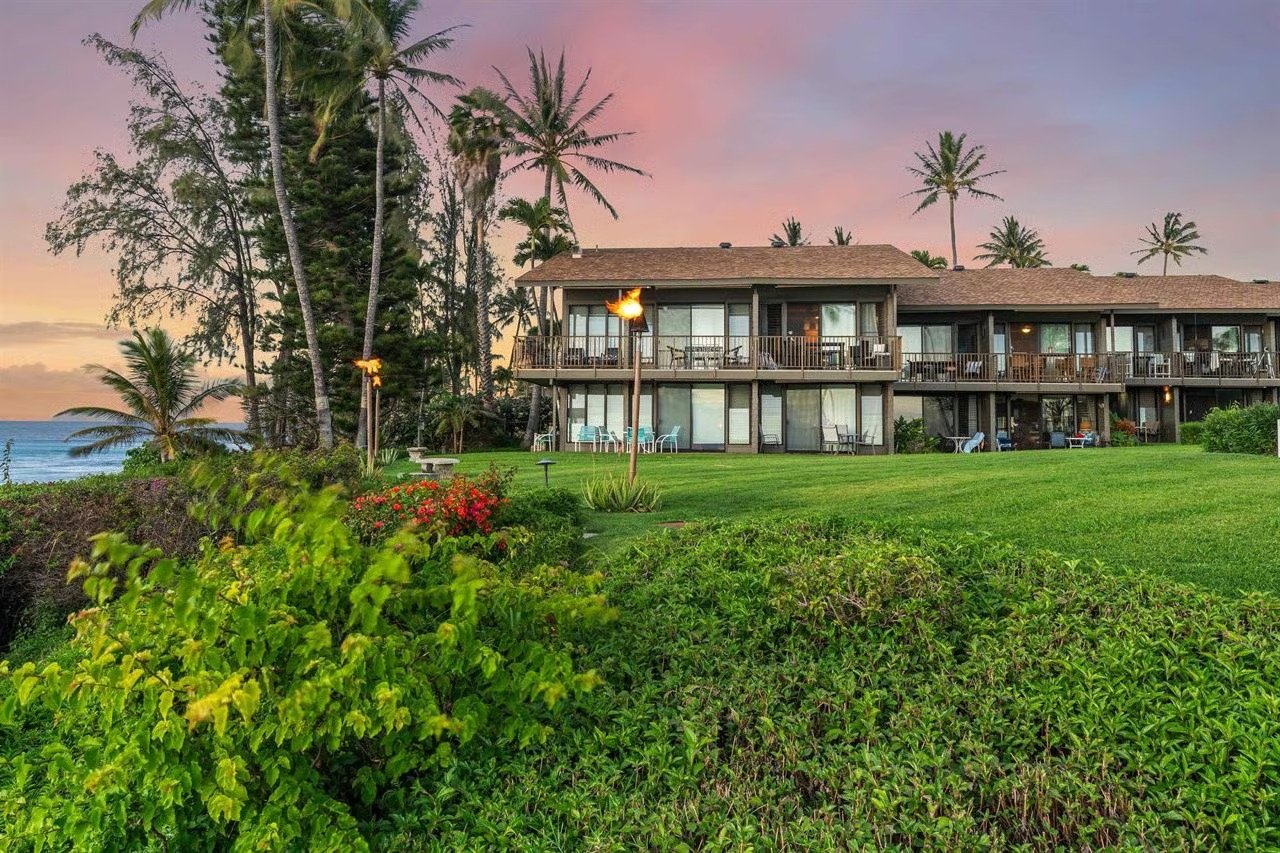
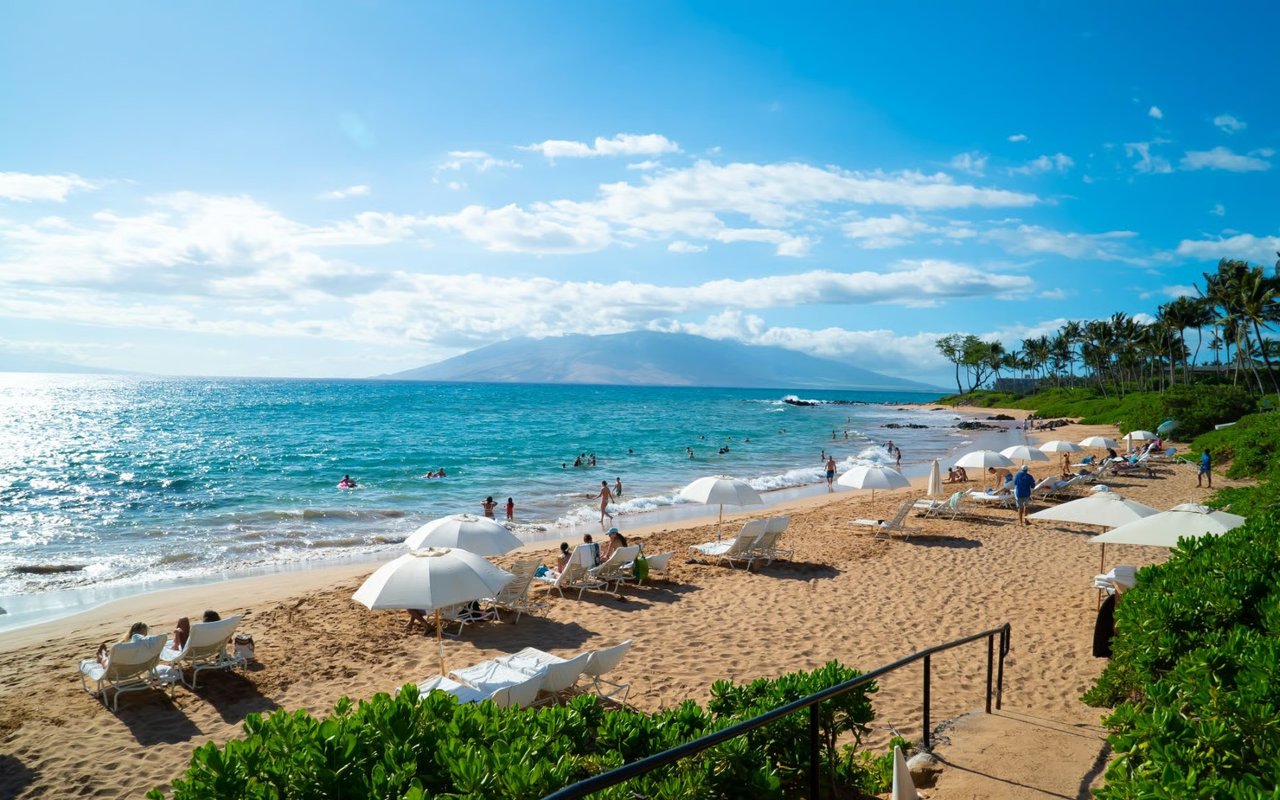
- Oceanfront condos and resort units in developments like Wailea, Kaanapali, or Kapalua
- Single-family homes used as long-term or vacation rentals
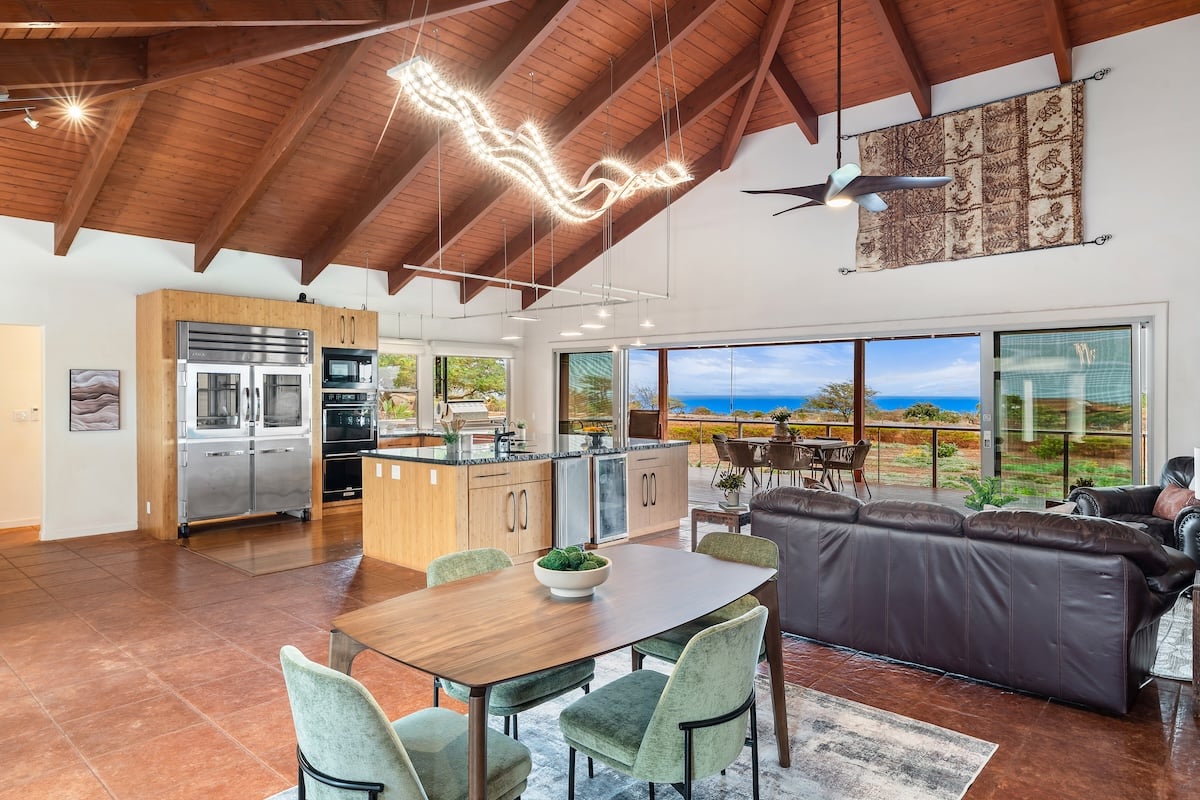
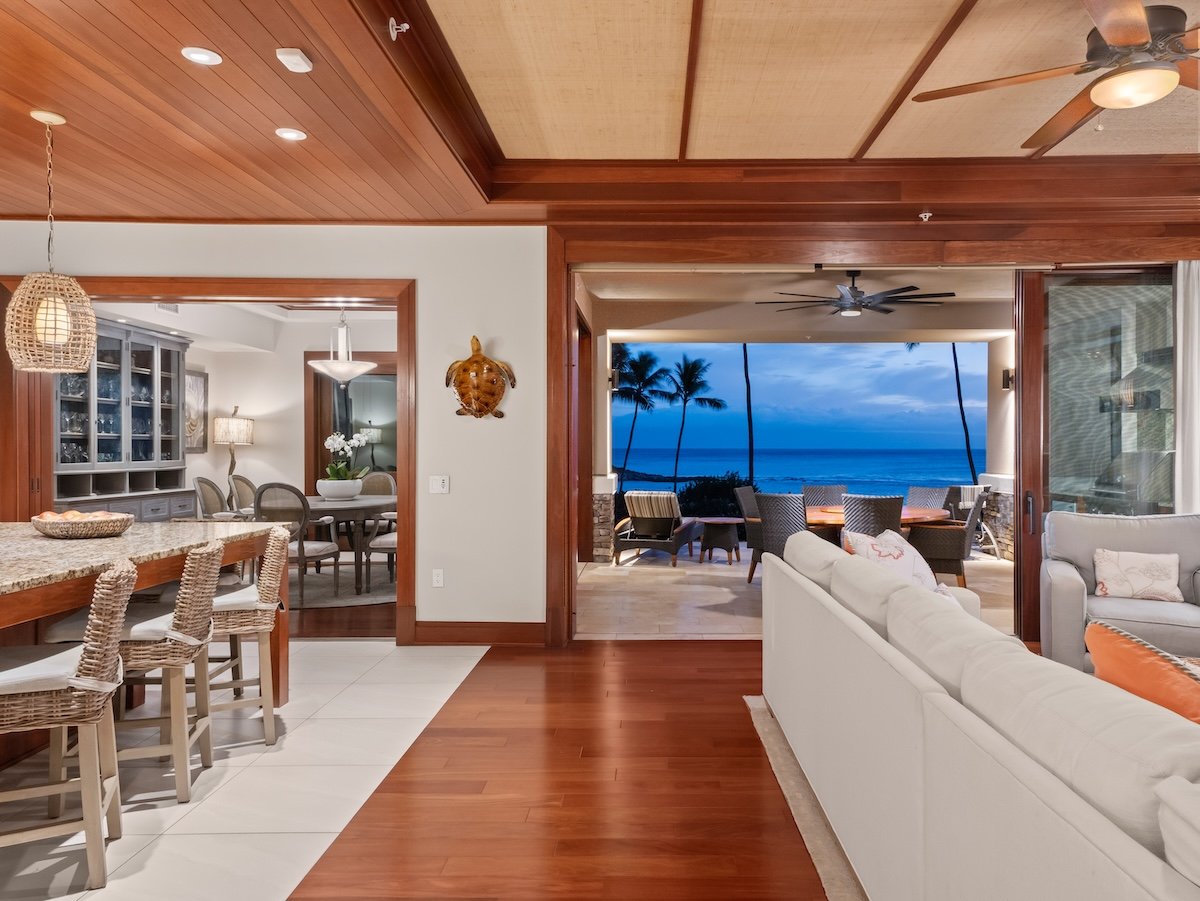
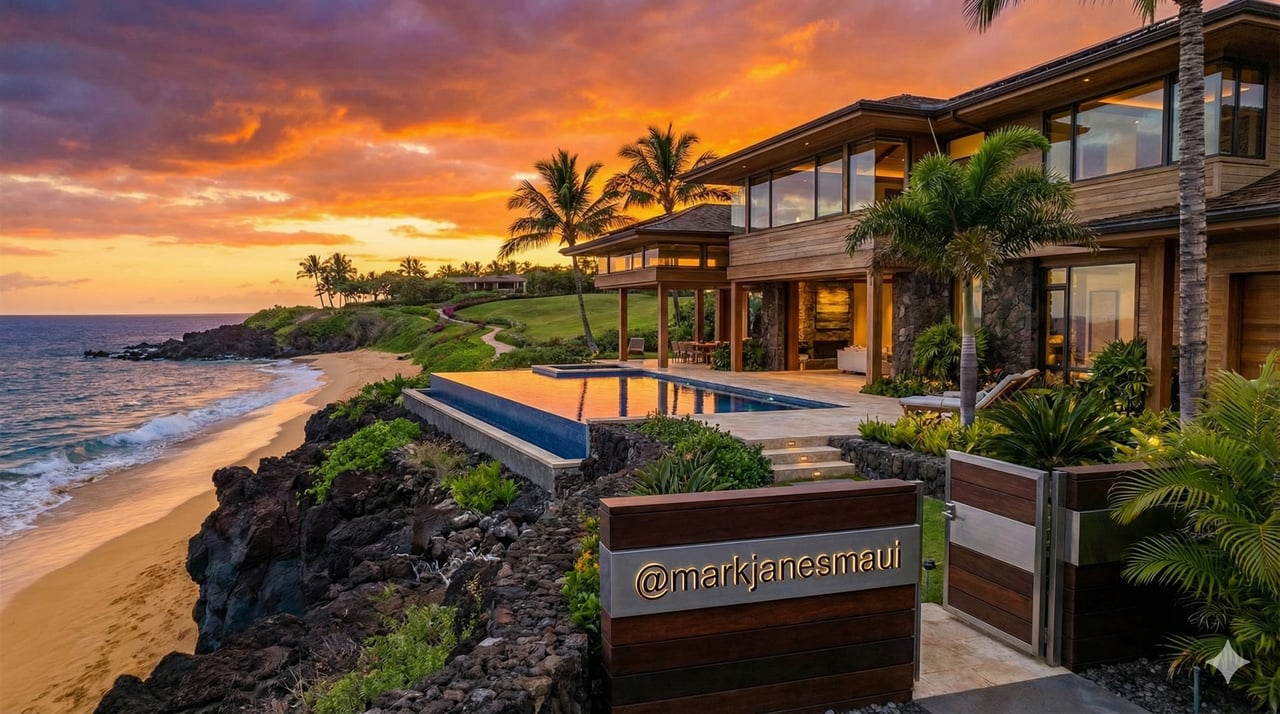
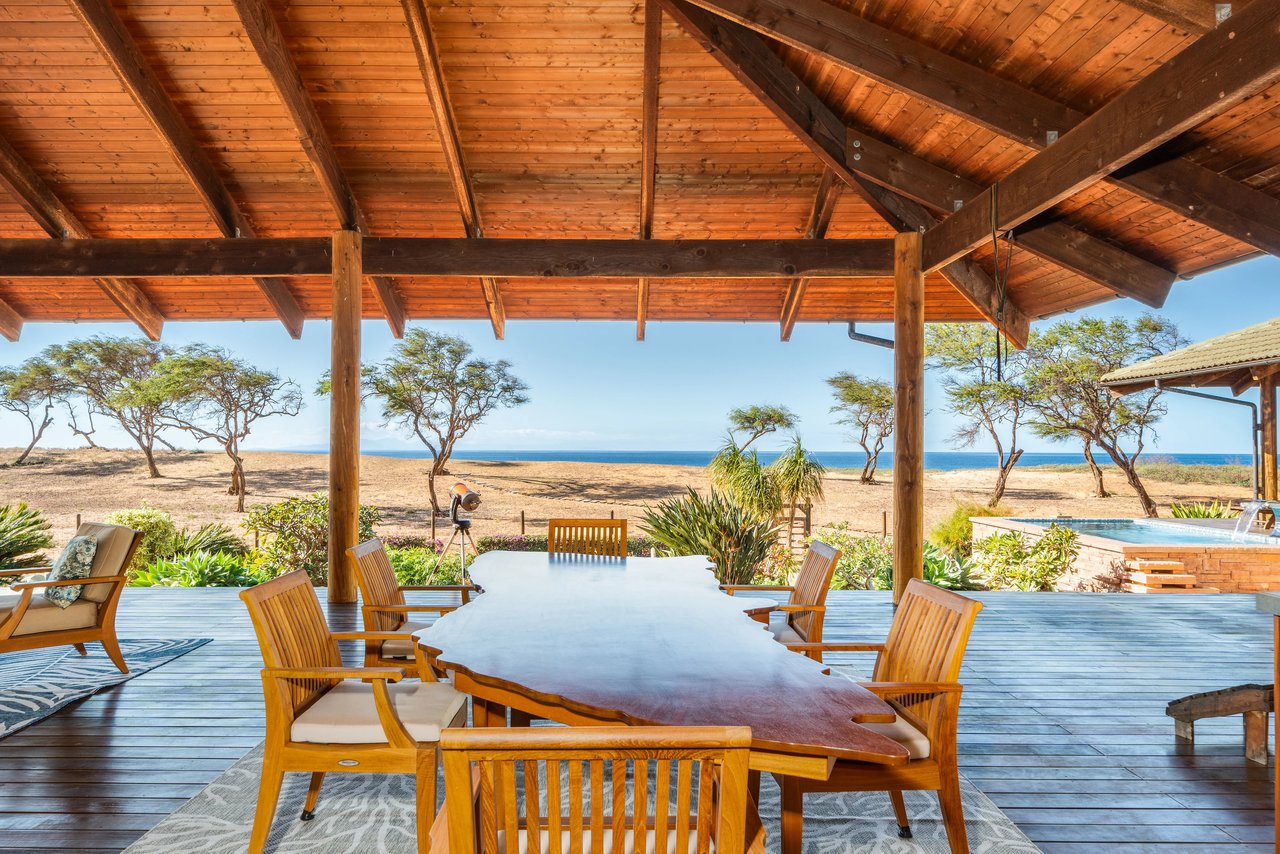
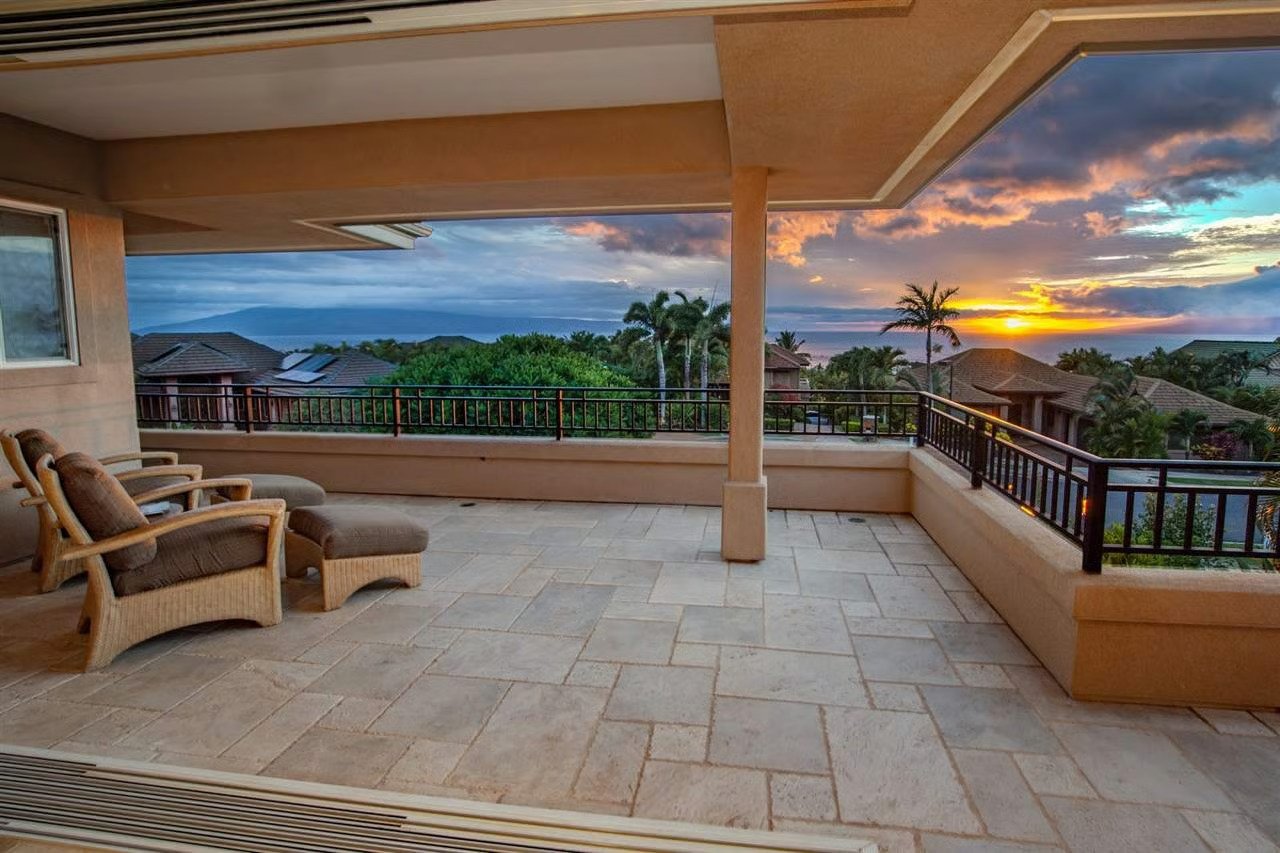
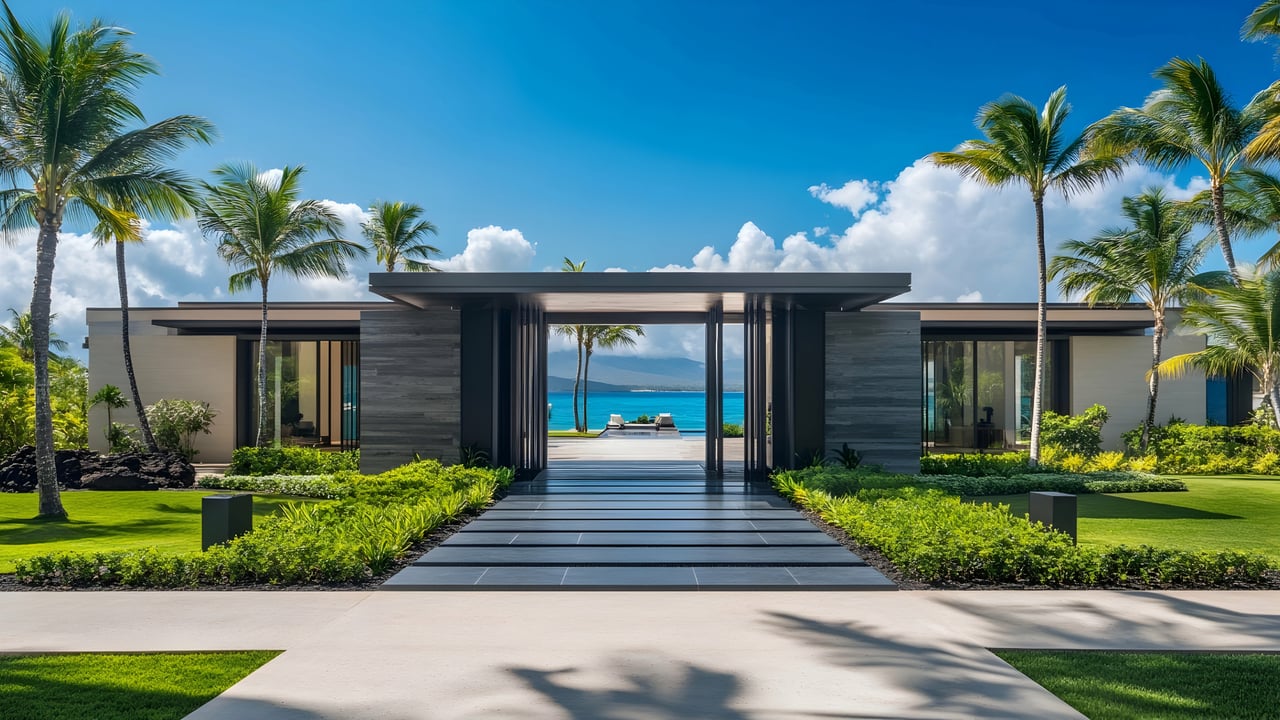
- Luxury estates with significant land and ocean frontage
- Vacant land held for future development or appreciation
- Mixed-use or agricultural parcels with development potential
A primary home becomes an investment property the moment you rent it out, even seasonally. Conversely, a property you purchase with rental income in mind but use personally for more than 14 days per year may shift into a different tax category under IRS rules. These boundaries are not always intuitive, which is why understanding what to consider when buying property in Hawaii is so important before you sign anything.
Pro Tip: Define your intended use clearly before making an offer. Your usage plan affects financing options, tax treatment, and which permits you will need. Changing course after closing is possible but costly.
Types of investment properties available in Maui and Molokai
With definitions in place, the next question is which property type aligns with your goals. Each category carries a distinct investment profile, and the right choice depends on your risk tolerance, desired involvement, and long-term vision.
Condos and luxury estates have distinct investment profiles based on location, rental potential, and market demand. Here is a practical comparison:| Property type | Typical use | Rental yield potential | Management complexity | Entry price range |
|---|---|---|---|---|
| Resort condo | Vacation rental | High | Moderate | $800K to $3M+ |
| Single-family home | Long-term rental | Moderate | Low to moderate | $1M to $5M+ |
| Luxury oceanfront estate | Personal + seasonal rental | Variable | High | $5M to $30M+ |
| Vacant land | Appreciation/development | None until built | Low | $500K to $10M+ |
| Agricultural parcel | Appreciation/legacy | Low | Low | $300K to $3M+ |
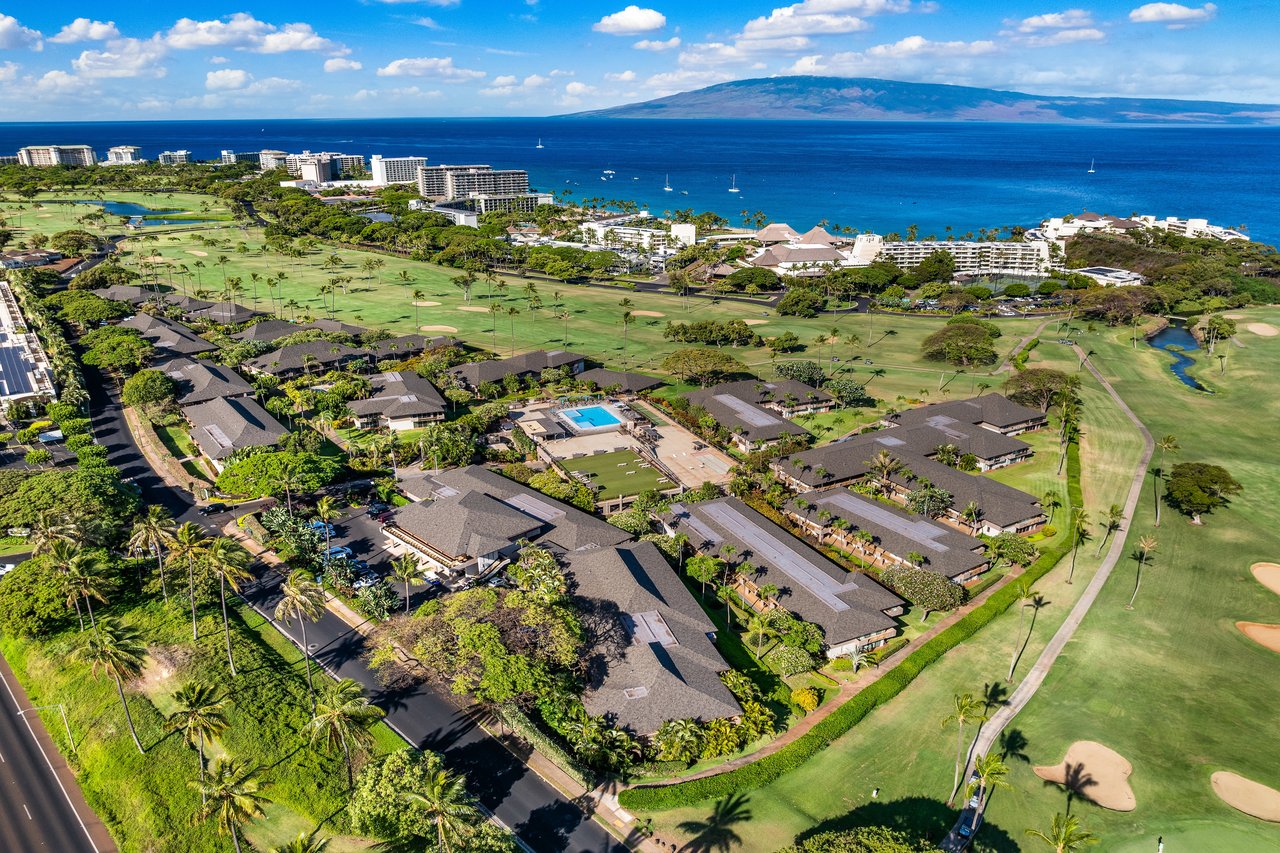
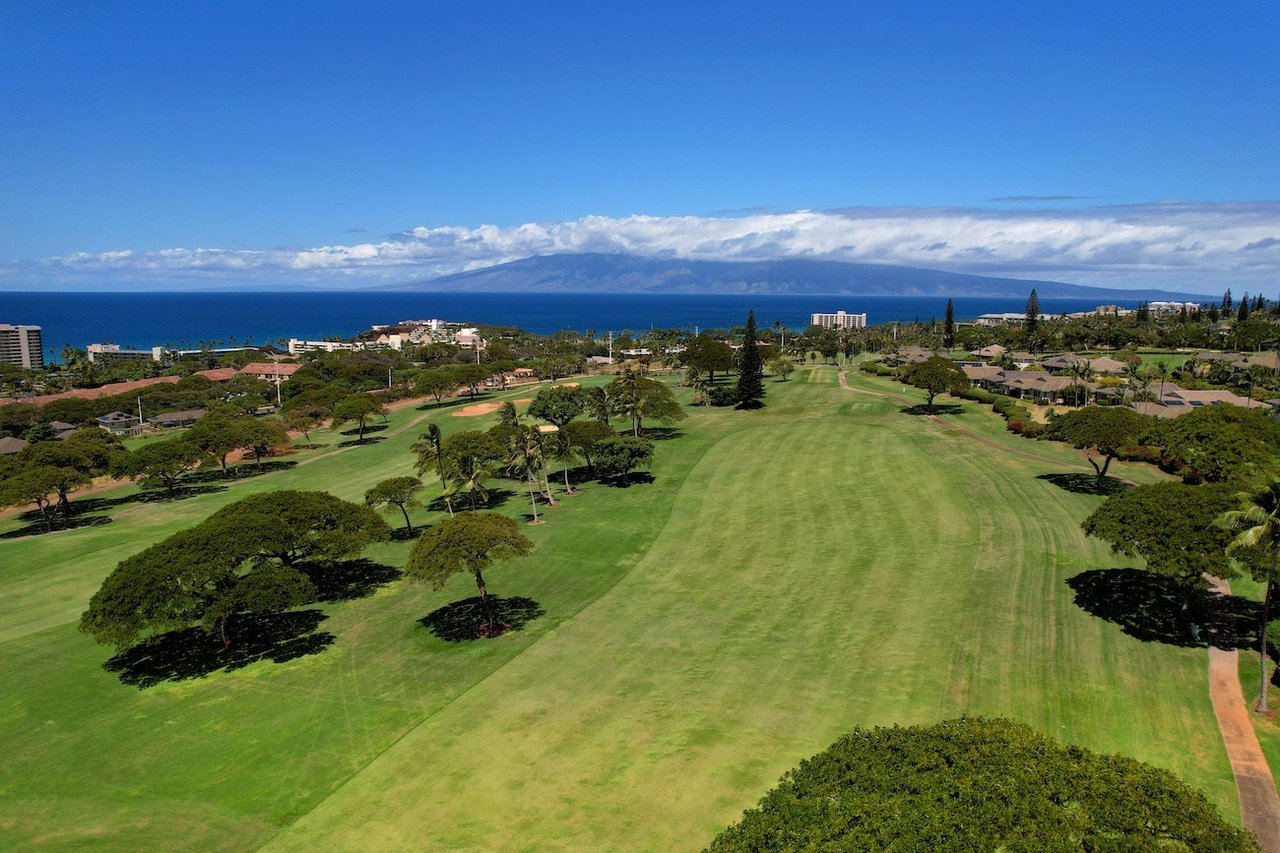
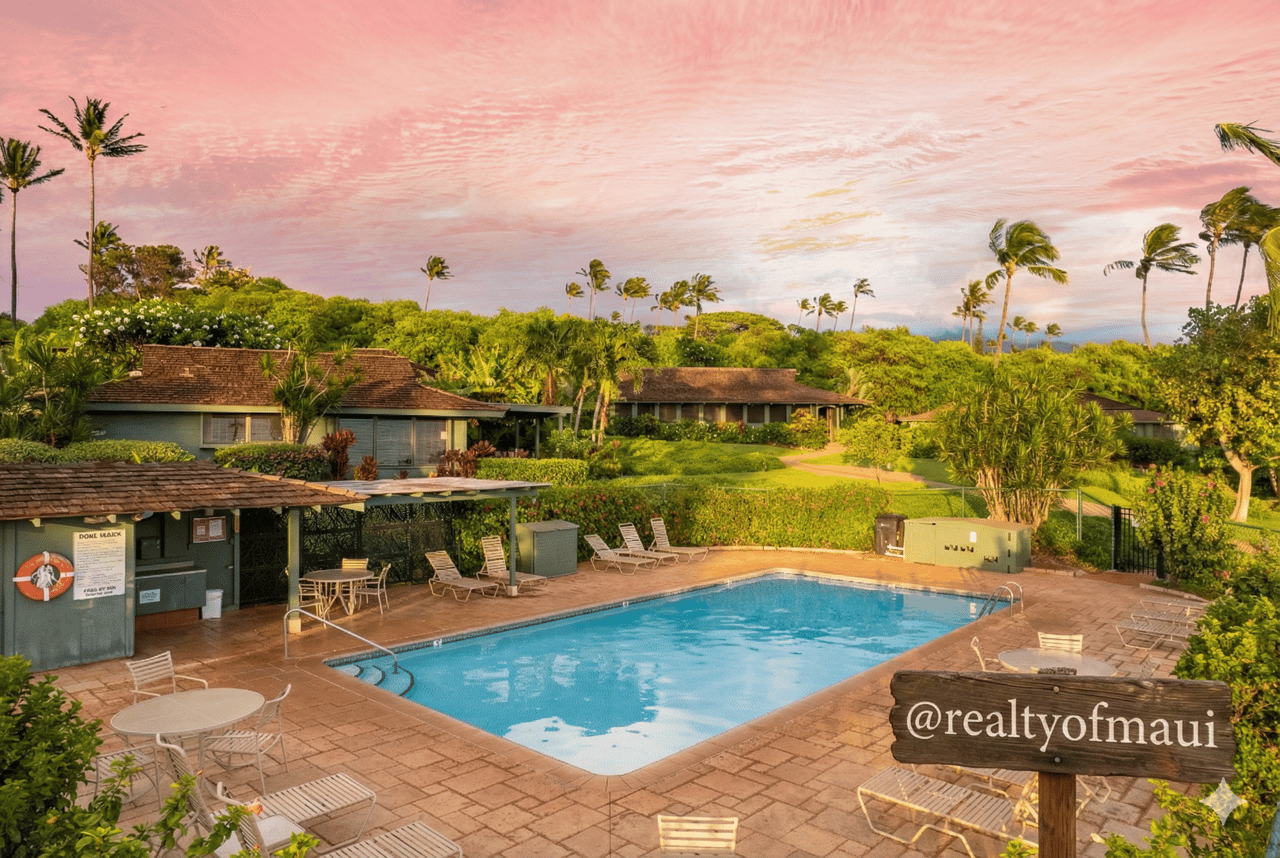
On Maui, resort-zone condos in Wailea and Kaanapali attract premium vacation rental rates and consistent demand from travelers seeking luxury experiences. Properties in Maui Lani Terraces and similar developments offer an accessible entry point for investors seeking reliable occupancy.
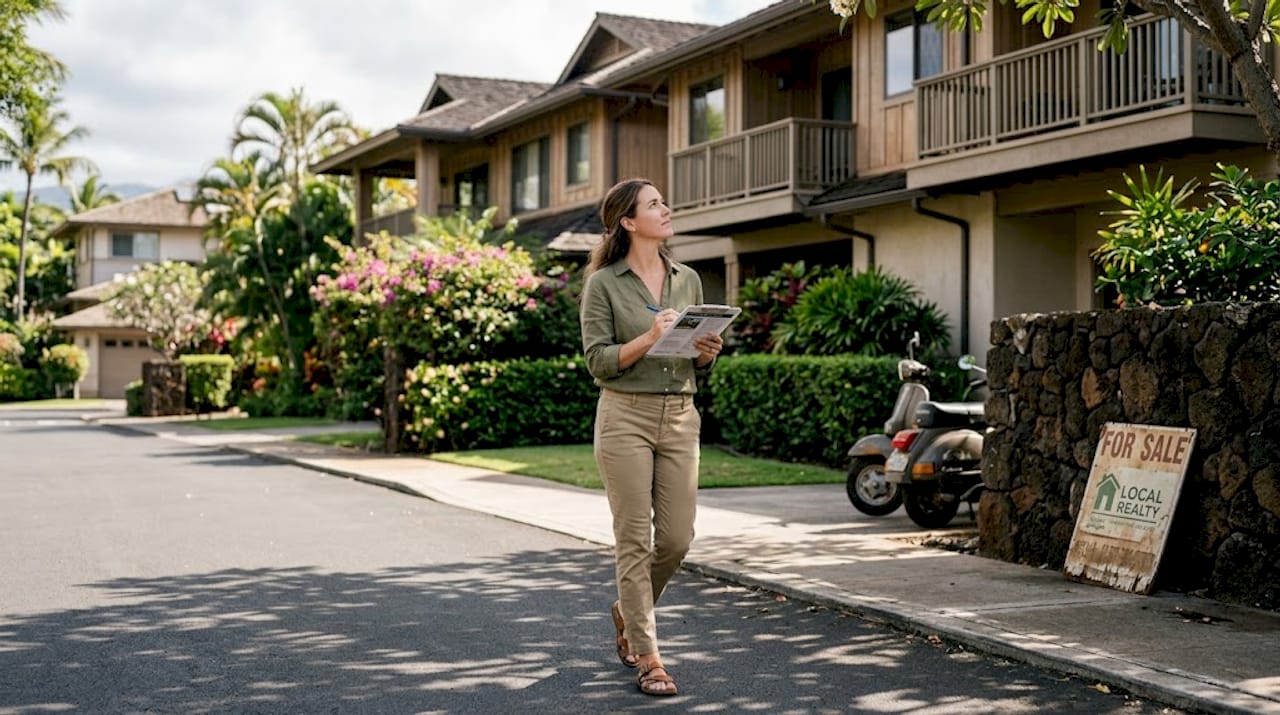
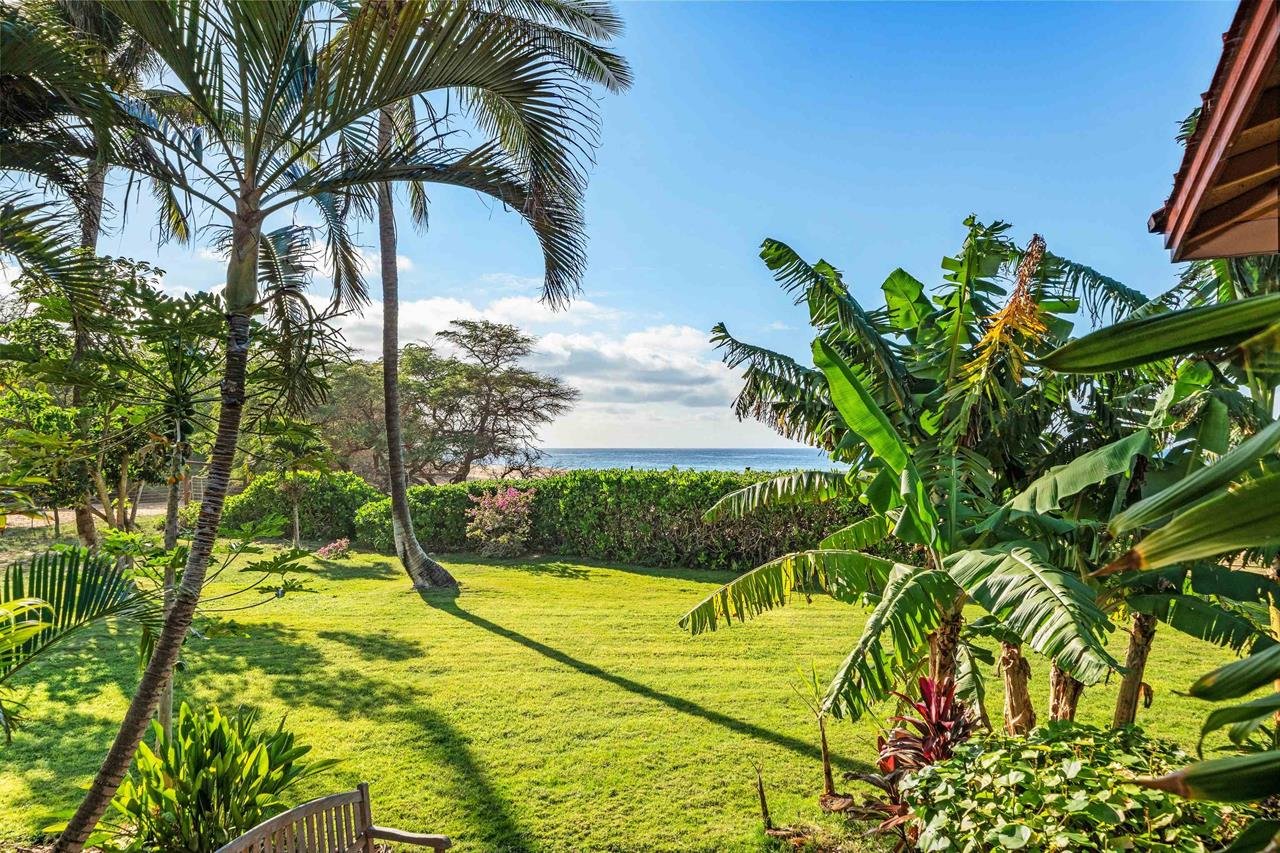
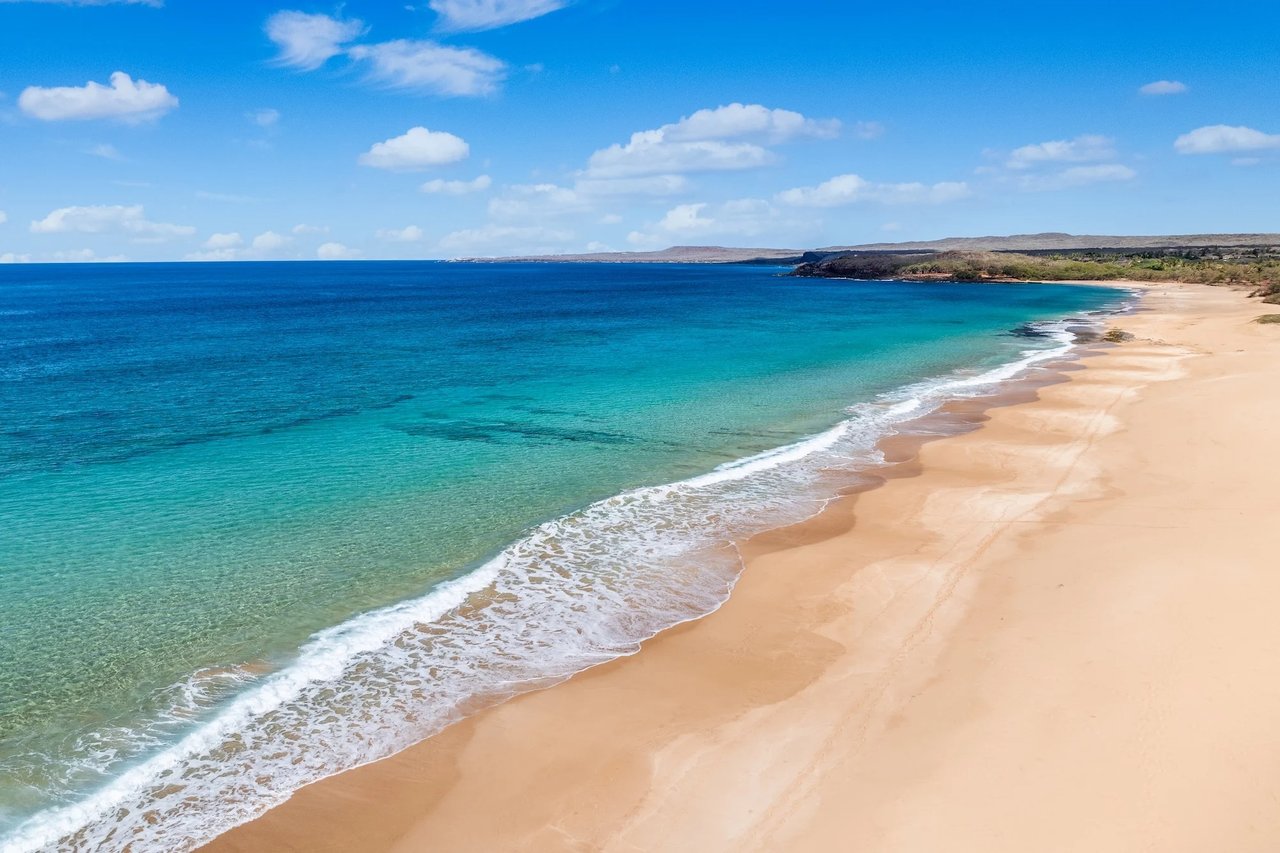
On Molokai, the investment story is quieter and more deliberate. The island has almost no resort infrastructure by design. Buyers there are typically drawn to large land holdings, agricultural properties, and oceanfront parcels that hold deep legacy value. Appreciation is slower but the land is finite, raw, and irreplaceable.
Key factors that shape investment decisions across both islands:
- Location relative to the ocean drives both rental rates and resale value
- Zoning classification determines what rental activity is legally permitted
- HOA fees and resort assessments can significantly affect net returns on condos
- Property age and condition influence maintenance costs and insurance premiums
Understanding these variables before comparing listings puts you in a far stronger position at the negotiating table.
Income strategies and usage: Vacation rentals, long-term rentals, and personal stays
Choosing the right property is only half the equation. How you use it determines your actual return. Most investors in Maui and Molokai work within one of three primary strategies, and each comes with its own legal framework, income profile, and lifestyle trade-offs.
- Vacation rentals (short-term): These command the highest nightly rates and can generate strong income, particularly in Maui's resort corridors. However, they require management and can come with higher taxes and carrying costs.
- Long-term rentals: Renting to a resident tenant provides steadier, more predictable income with lower management demands. Owning a long-term rental in Maui comes with its own set of landlord responsibilities and tenant protections under Hawaii law.
- Personal and family use: Some buyers purchase properties primarily for personal enjoyment, with occasional rental periods to offset carrying costs. This hybrid approach requires careful tracking of personal versus rental use days for tax purposes. Investment in your lifestyle and quality of life can be part of the decision-making process when buying a Maui property. "The most successful island investors we work with are those who align their usage strategy with the property's natural strengths before they buy, not after."
Key financial considerations: Purchase costs, taxes, and market trends
Understanding the income strategies available leads naturally to the numbers that determine whether an investment makes sense. Island real estate carries a distinct cost structure that differs meaningfully from mainland markets.
Purchase and carrying costs to anticipate:
- Closing costs typically range from 1.5% to 3% of the purchase price in Hawaii
- Title insurance, escrow fees, and conveyance tax add to the upfront total
- Property management fees for vacation rentals typically run 25% to 35% of gross rental income
- HOA fees in resort developments can range from $1000 to $3,000 or more per month
- Maintenance and insurance costs are elevated due to the island's climate and remoteness
On the market side, Maui sales price trends show that median prices have remained elevated despite broader national market shifts. Inventory in the luxury and oceanfront segments stays tight, which supports long-term appreciation but also means buyers face competitive conditions and limited negotiating leverage on premium properties.
| Cost category | Typical range | Notes |
|---|---|---|
| Closing costs | 1.5% to 3% of price | Includes conveyance tax |
| Annual property tax | 0.5% to 1.5%+ | Varies by classification |
| Property management | 25% to 35% of gross rent | For vacation rentals |
| HOA fees | $1000 to $3,000+/month | Resort condos |
| Insurance | $5,000 to $20,000+/year | Oceanfront properties |
The financial picture rewards buyers who do the math carefully and plan for the full cost of ownership, not just the purchase price.
Our perspective: What most guides miss about investment property in islands
Most investment guides focus on yield calculations and market statistics. What they rarely address is the quieter reality of owning property in a place as distinct as Maui or Molokai.
The regulatory environment here moves at its own pace. Rules around short-term rentals have shifted multiple times in recent years, and they will likely shift again. Buyers who purchased condos expecting vacation rental income have found themselves navigating future zoning changes that fundamentally altered their return projections. The lesson from long-term rental ownership on Maui is that flexibility and local knowledge matter more than any spreadsheet.
We also see buyers underestimate the emotional dimension of island ownership. Properties here carry a sense of place and stewardship that goes beyond financial return. The most satisfied investors we work with are those who chose a property that resonated with them personally, not just one that penciled out on paper. Expert buying guidance consistently reinforces that aligning personal values with investment strategy produces the most enduring outcomes. Clarity of purpose, before the search begins, is the real foundation of a sound island investment.
Explore investment property support with Pacific Island Partners
Knowing what qualifies as investment property, which types fit your goals, and how the numbers work is a strong foundation. Taking the right next step requires guidance from people who know these islands deeply.

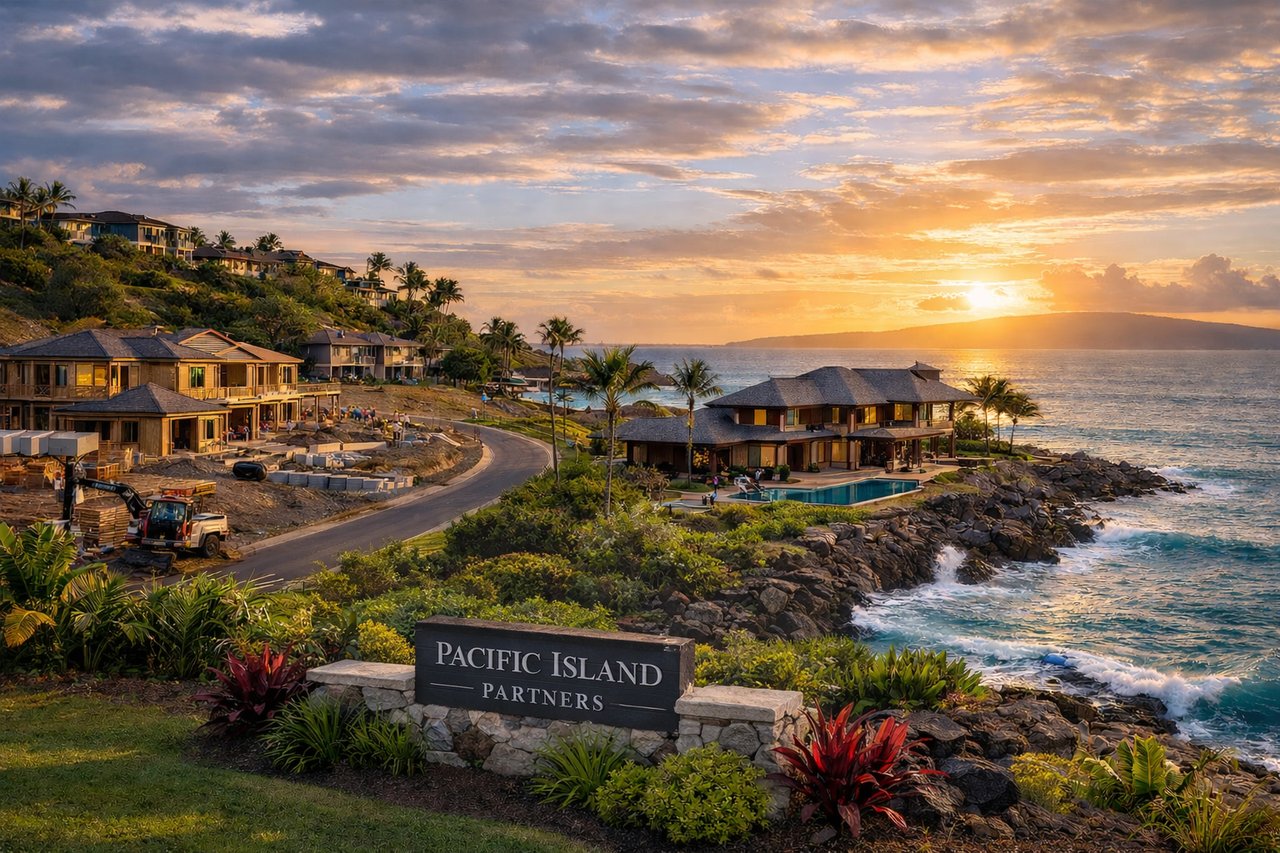
Pacific Island Partners, led by Heidi Dollinger and Mark Janes, offers discreet, concierge-level representation for buyers exploring Maui and Molokai. Whether you are reviewing the buyers guide, browsing Plantation Estates listings, or exploring the full range of Hawaii neighborhoods, the team brings the local expertise and global perspective that serious investors deserve. Reach out to begin a conversation grounded in clarity and long-term value.
Frequently asked questions
What qualifies as an investment property in the Hawaiian Islands?
Vacation and long-term rentals are both considered investment property under Hawaii law. Any real estate purchased for income generation or capital growth, including condos, homes, and resort units, qualifies as investment property.
How do vacation rental regulations affect investments in Maui?
Maui County has specific areas where short-term nightly rentals are permitted, and other areas would allow long term rentals (180 days or longer.) Under Bill 9, many apartment-zoned condominium complexes that have been historically permitted vacation rentals are scheduled to be phased out of that use in 2029 for West Maui and 2031 for South Maui. Residential homes currently permitted as vacation rental homes have permits that are not transferrable when a property sells, and new permits are not currently being issued.
What are the main financial risks of buying investment property in Maui or Molokai?
Market volatility, shifting property tax rates for investment classifications, climate risk, and elevated maintenance and management costs are the primary financial risks for island investment properties.
Are luxury estates a better investment than condos in Hawaii?
Condos and luxury estates carry distinct investment profiles. Luxury estates offer prestige and strong appreciation potential, while condos in resort zones may deliver more rental income with lower entry costs.