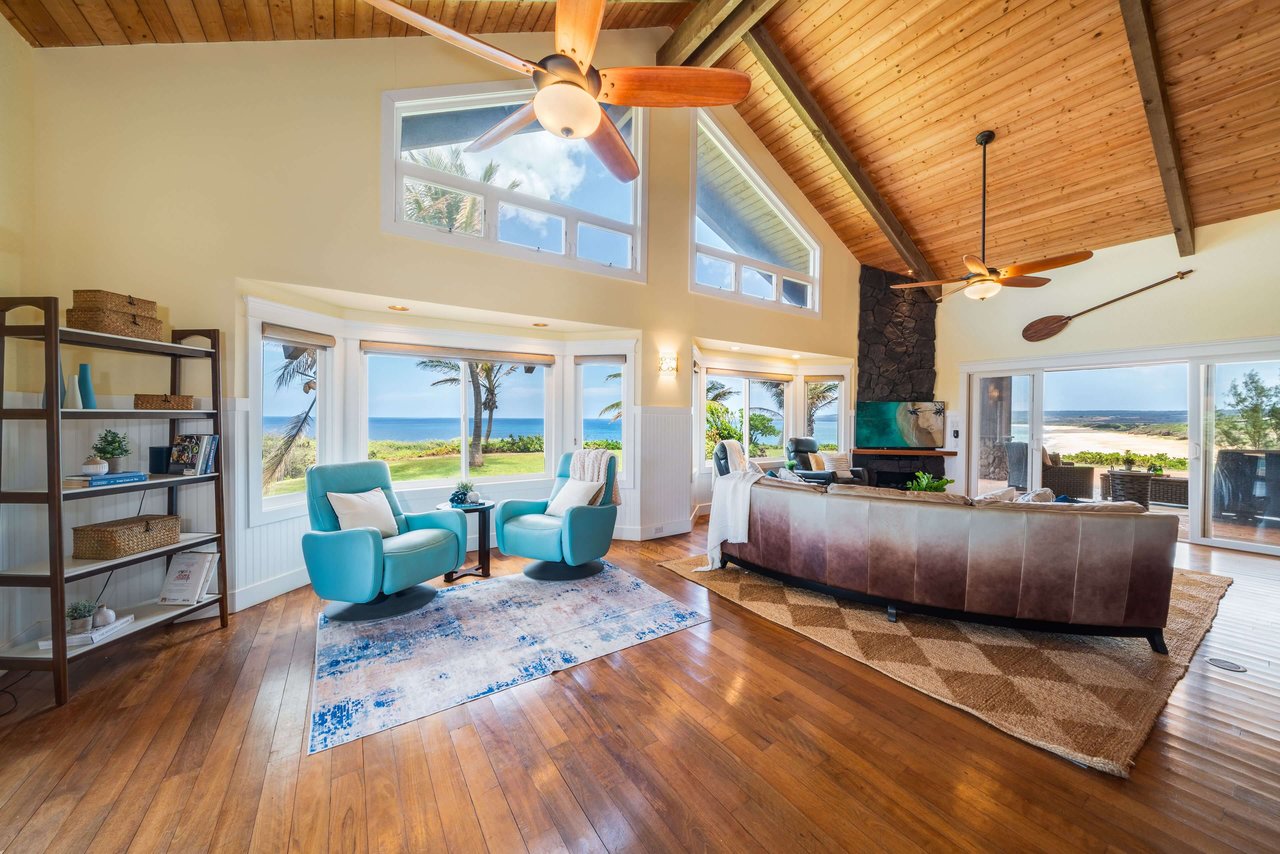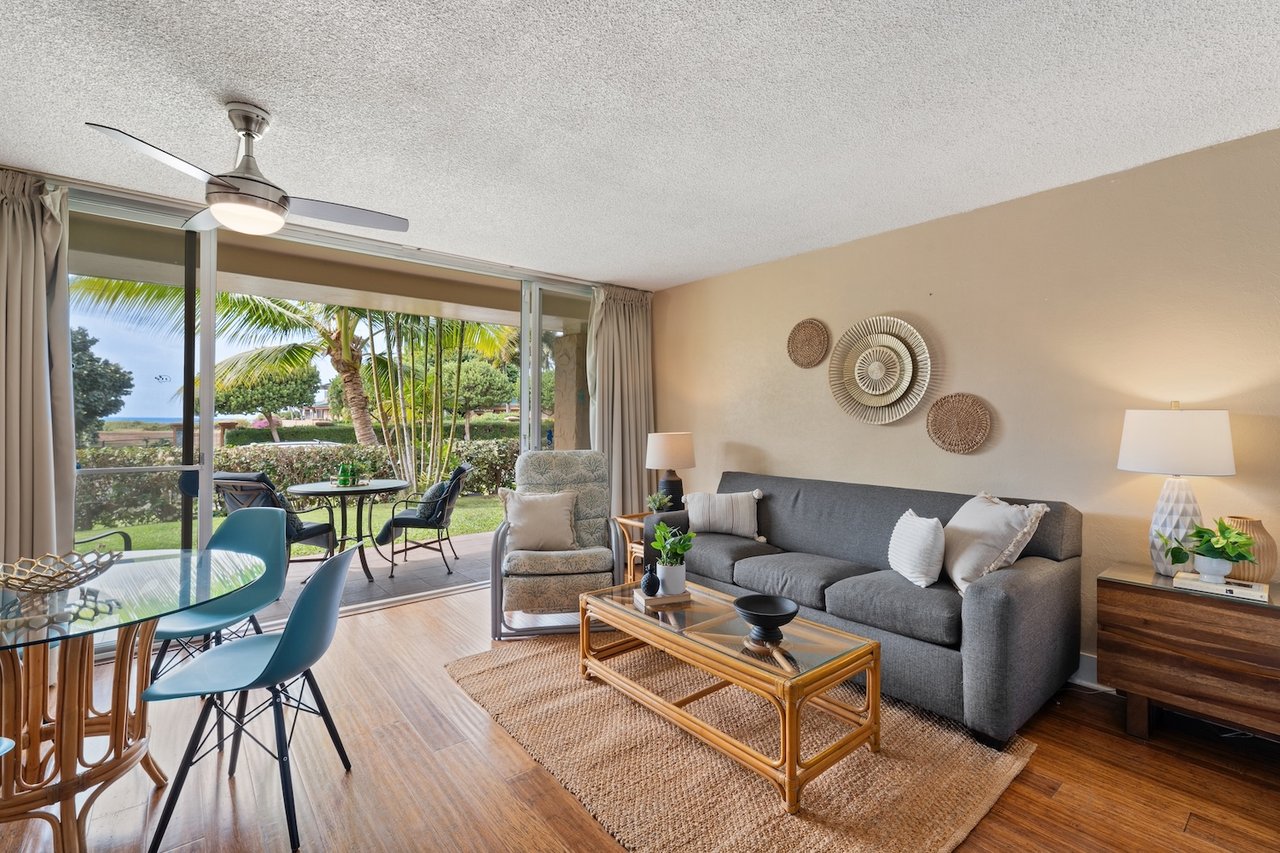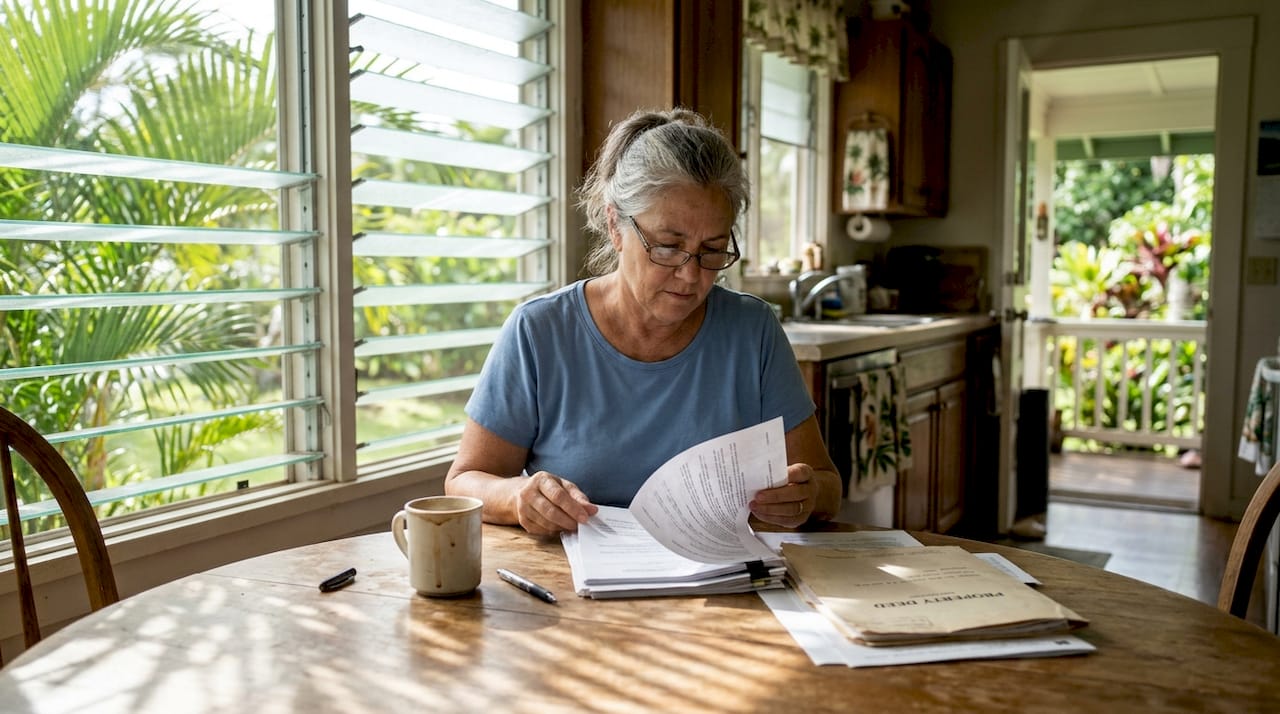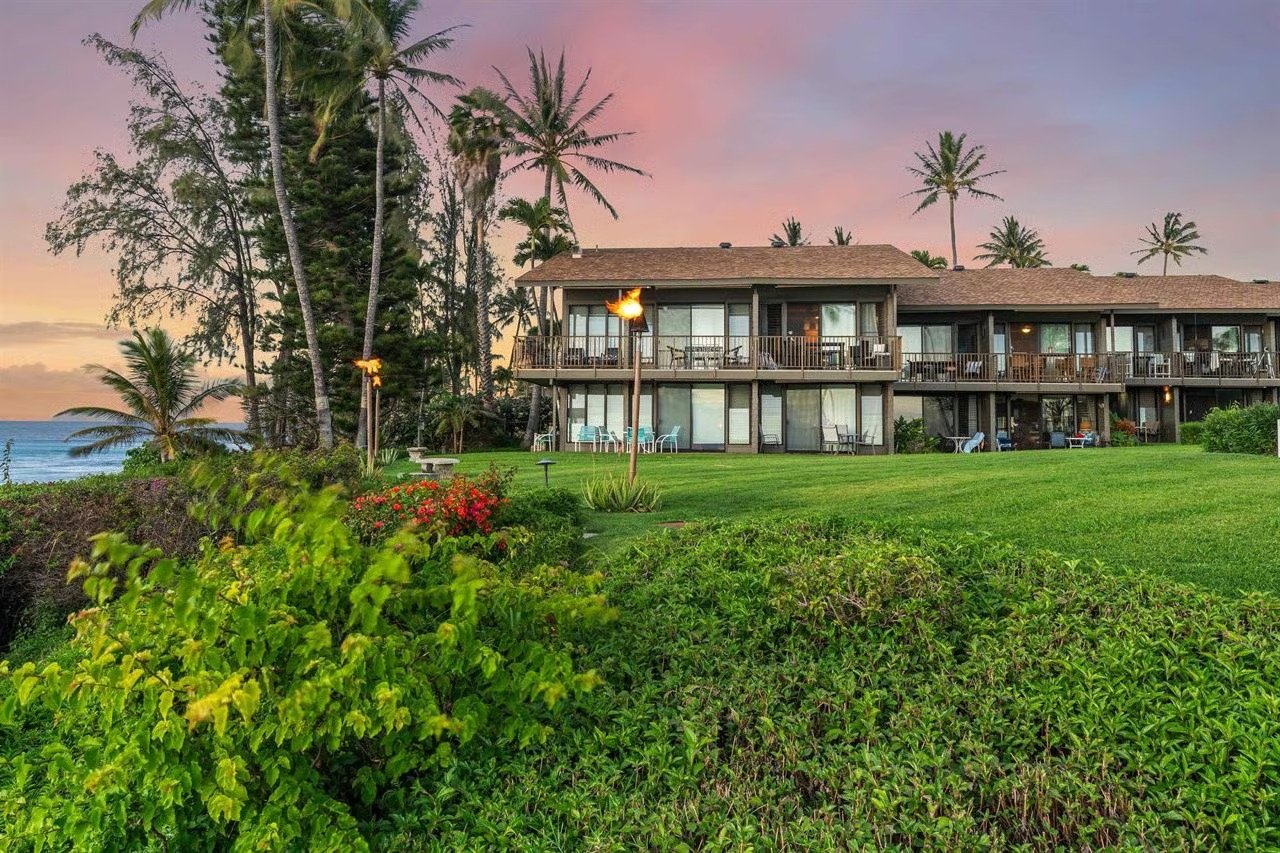
Imagine paying $200,000 over market value for a West Maui condo because a popular online estimator failed to account for post-fire neighborhood shifts and short-term rental restrictions. It happens more often than most buyers realize. Maui’s real estate landscape is layered, shaped by geography, tourism cycles, local regulation, and natural events that no algorithm fully captures. Relying on a single digital tool here is not just imprecise — it can be genuinely costly. This guide walks you through a proven, step-by-step framework for evaluating Maui property value with the kind of clarity that protects your investment and honors the land you’re acquiring.
Table of Contents
- Understand what drives Maui property value
- Gather the right data: Online tools and their limits
- Dive deeper with comparable market analysis (CMA)
- Validate with appraisal and real-world considerations
- Why a combined approach is the only safe path in Maui
- Ready to make your Maui investment with confidence?
- Frequently asked questions
Key Takeaways
| Point | Details |
|---|---|
| Use multiple valuation methods | Combine online tools, agent expertise, and appraisals for accurate Maui property values. |
| Local factors are crucial | Maui’s unique market drivers mean that mainland valuation shortcuts rarely work. |
| Agent CMAs add depth | A local CMA provides essential context and nuance online tools lack. |
| Appraisals validate big bets | A professional appraisal is key for unique or high-value properties and during appeals. |
Understand what drives Maui property value
Before you can evaluate a property accurately, you need to understand what actually moves prices in this market. Maui is not a single, uniform real estate environment. It is a collection of distinct micro-markets, each with its own rhythm, risk profile, and value trajectory.
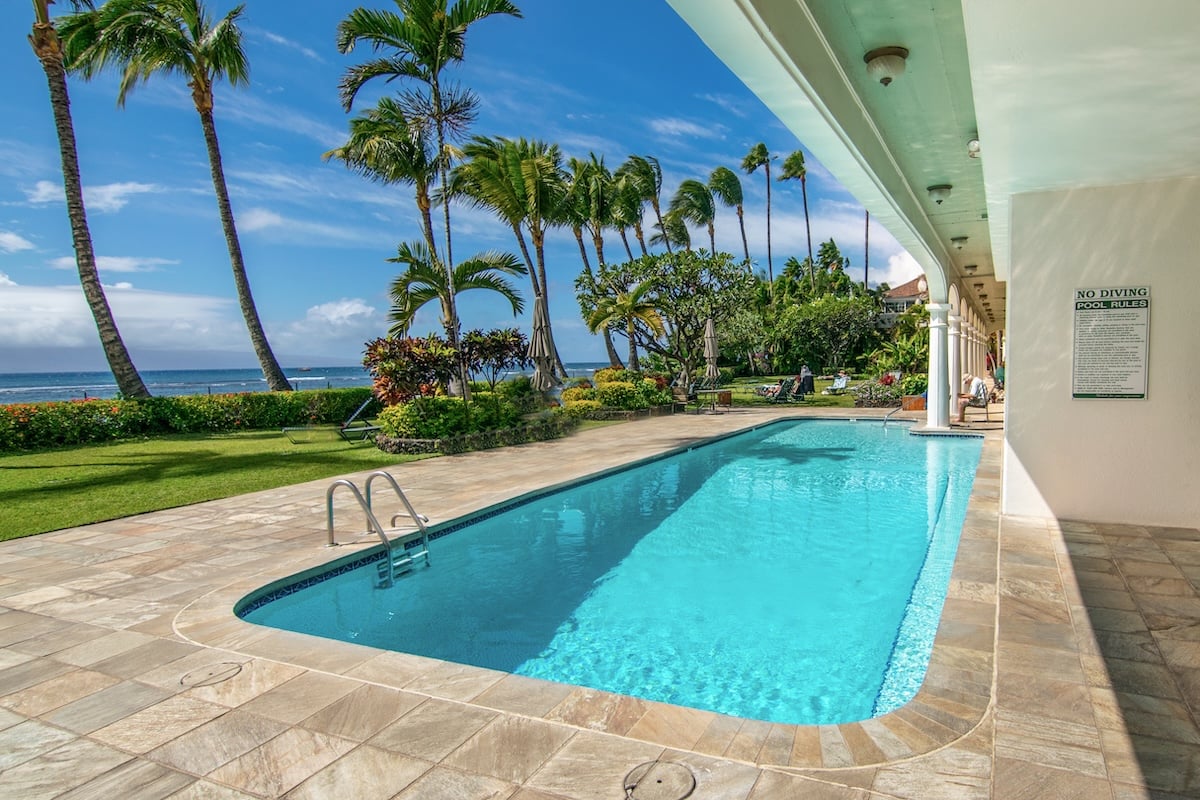
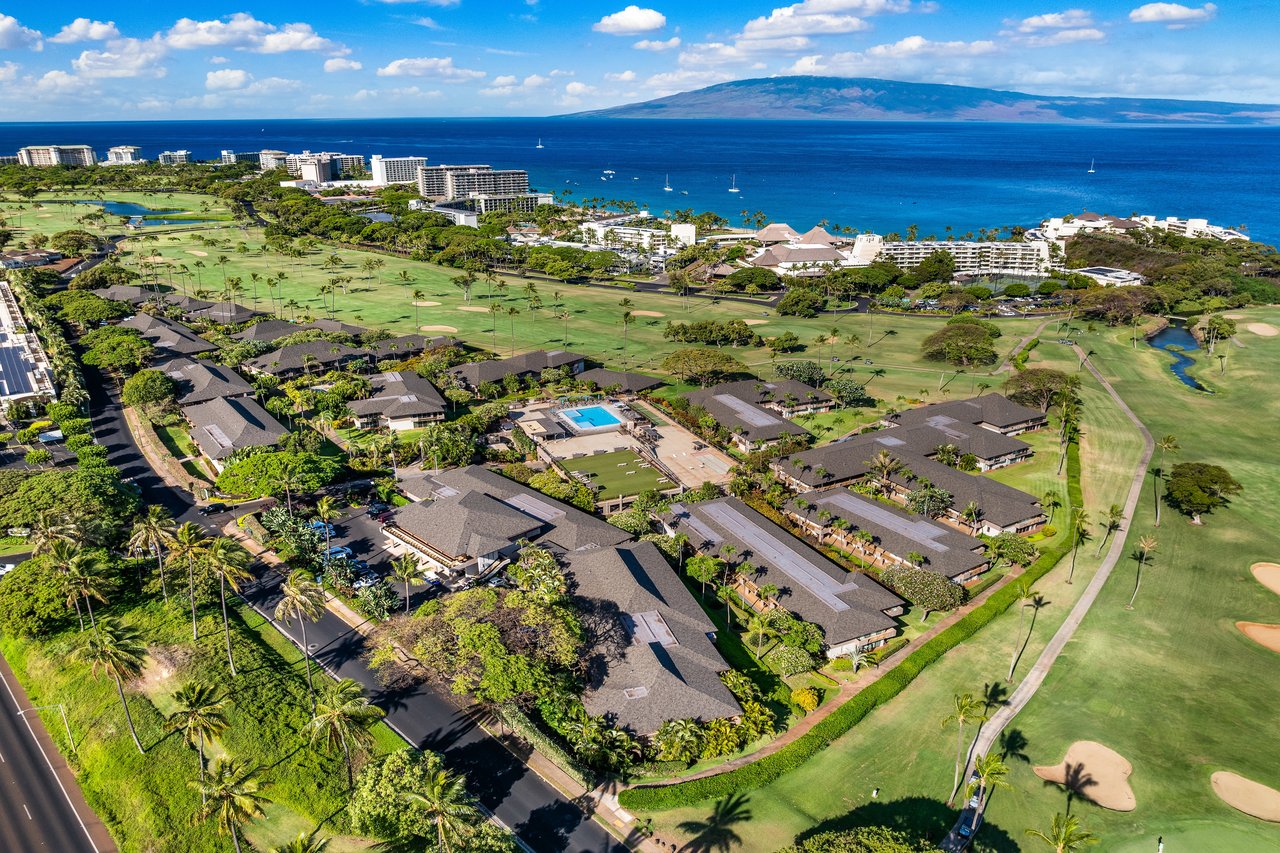
Geographic segmentation is the first thing to internalize. Oceanfront properties in areas like Wailea and Kapalua operate in a completely different tier from upcountry homes in Kula or Makawao. Resort corridor condos near Kaanapali face different demand cycles than inland single-family homes. Even two properties a mile apart can carry vastly different values based on elevation, ocean visibility, and proximity to infrastructure.
Property type matters enormously too. As Redfin vs Zillow data confirms, Maui’s market is segmented, with condos cooling and homes remaining strong, which means you cannot apply the same evaluation lens to both asset classes. A condo in a resort zone may be subject to HOA restrictions, future short-term rental changes, and tourism-driven vacancy swings that a single-family home simply is not.
Local events create sharp, sometimes sudden value movements. The 2023 Lahaina fires reshaped West Maui’s market in ways that took months to fully register in public data. Regulatory shifts around short-term rentals have cooled certain condo segments while pushing long-term rental demand upward. Tourism volatility, whether from global disruptions or shifting visitor patterns, ripples directly into resort-adjacent property values.
Here are the key drivers to track in any Maui property evaluation:
-
Ocean proximity and view corridor (direct frontage vs. partial vs. none)
-
Zoning and rental classification (short-term, long-term, or owner-occupied)
-
HOA health and restrictions for condos and planned communities
-
Proximity to recent natural events or infrastructure changes
-
Tourism demand trends in the surrounding area
-
Schools, community amenities, and proximity to Costco for residential buyers
“Understanding Maui’s segmentation is not optional — it is the foundation of every sound valuation decision. Skipping this step means comparing properties that were never truly comparable.”
For a grounding reference on carrying costs, review current Maui property tax rates by property class, as these affect net investment returns meaningfully. You can also track West Maui market trends for segment-specific movement. Broader context is available through other market resources that compare estimator accuracy across platforms.
Gather the right data: Online tools and their limits
Once you recognize what affects value, the next step is getting reliable data, and that starts with understanding what online tools can and cannot do.
Automated Valuation Models, or AVMs, like Zillow’s Zestimate and Redfin’s Estimate, are built on public sales records, tax data, and listing histories. They are fast, free, and useful as a starting point. But their accuracy has real limits. AVMs carry roughly 2% error for homes actively listed on the market, but that error rate climbs to around 7% for off-market properties, and it climbs further still for properties with unique characteristics.

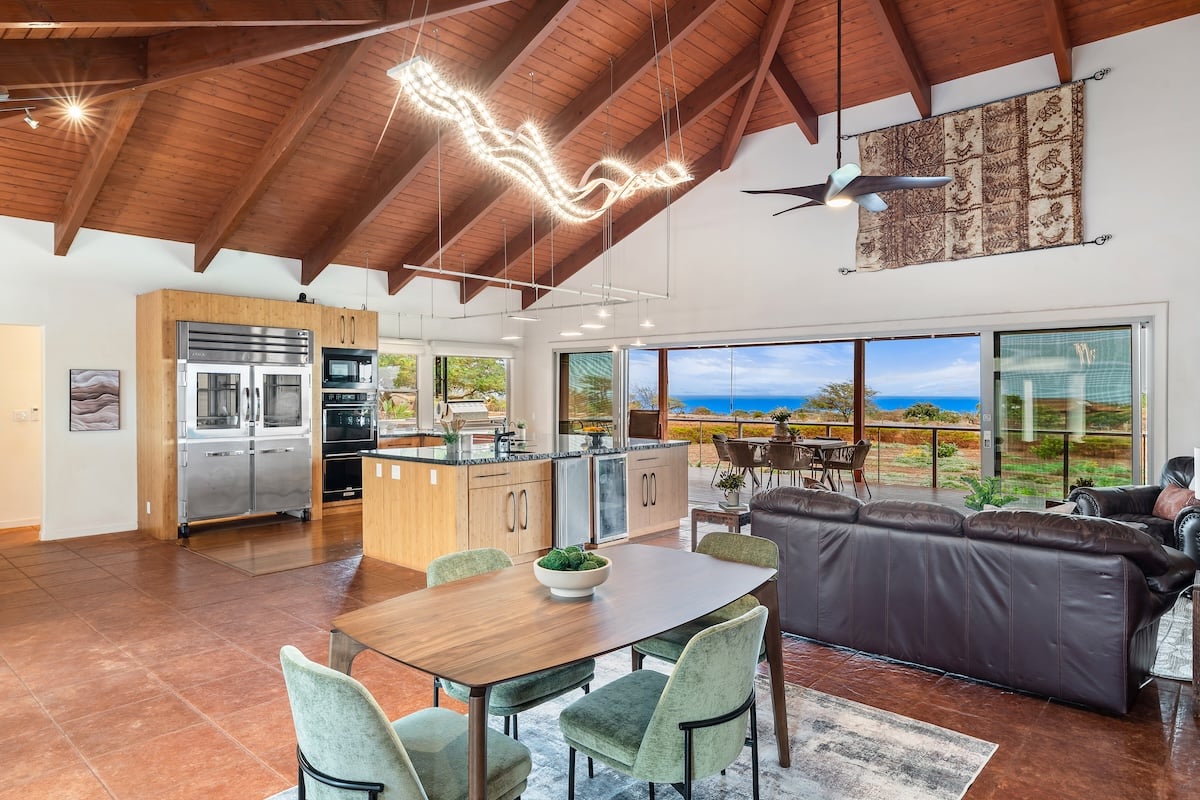
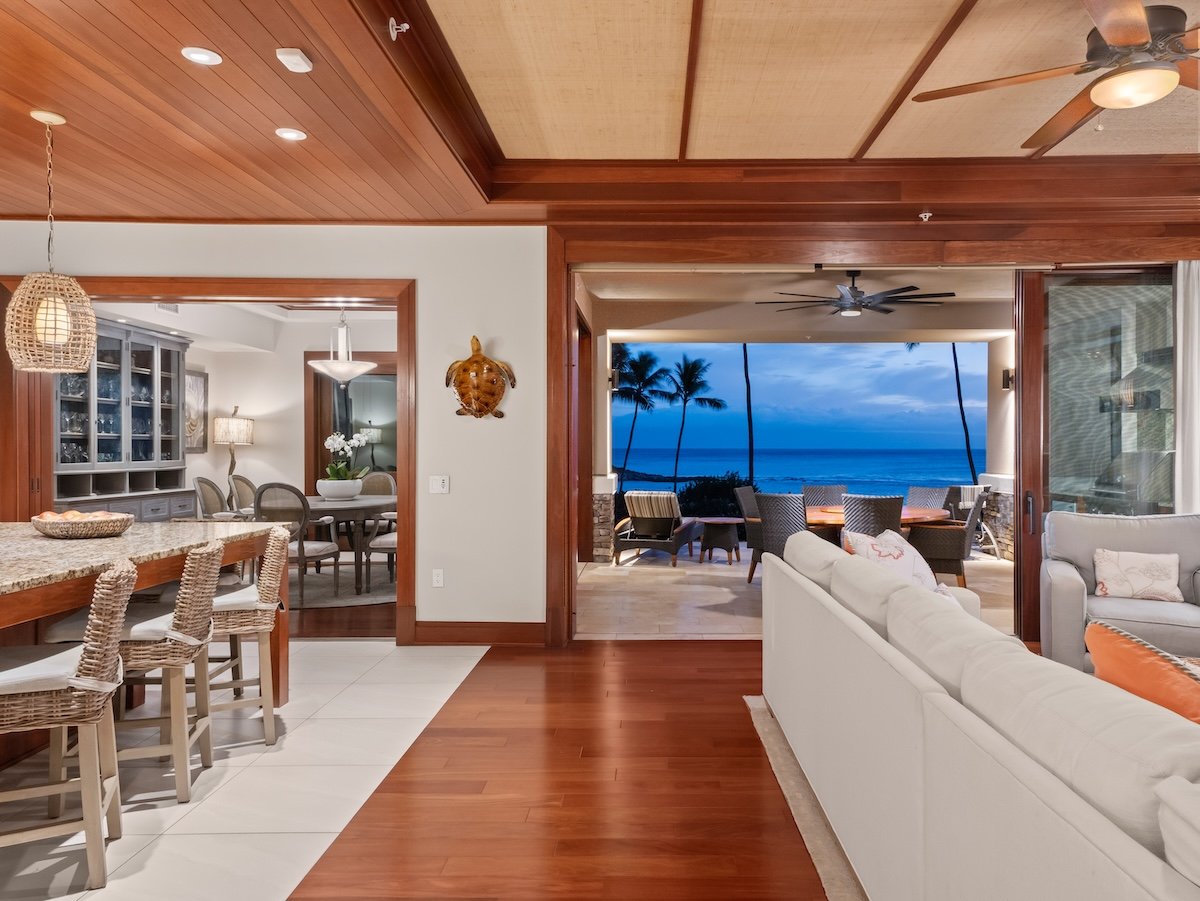
In Maui, “unique” describes a significant portion of the market. Oceanfront estates, vacation rentals with strong booking histories, properties affected by recent fire damage, and luxury residences with bespoke finishes all fall outside the patterns these algorithms are trained to recognize. The AVM sees square footage and zip code. It does not see the unobstructed Pacific view from the lanai or the income potential of a legally permitted vacation rental.
Here is a quick comparison of the major tools:
| Tool | Strength | Weakness | Best use |
|---|---|---|---|
| Zillow Zestimate | Wide data coverage, easy interface | Less accurate off-market, misses unique features | Initial ballpark only |
| Redfin Estimate | Updated more frequently, MLS-linked | Limited in low-transaction areas | Cross-checking Zillow |
| Broker/MLS tools | Local sales data, agent-adjusted | Requires agent access | Pre-offer research |
The best practice is to pull estimates from two or three tools and average the results. If the tools diverge by more than 10%, that is a signal, not a coincidence. It usually means the property has characteristics the algorithms cannot reconcile, and that is precisely when you need a deeper look.
For condo valuations in Maui, digital tools are especially prone to error because they rarely account for HOA fee changes, rental restriction updates, or building-specific issues like deferred maintenance.
Pro Tip: Screenshot your AVM results on the same day from multiple platforms. Values shift constantly, and having a timestamped baseline helps you measure how a property’s perceived value moves during your due diligence window.
Dive deeper with comparable market analysis (CMA)
Relying solely on digital data is not enough. A professional Comparable Market Analysis, or CMA, adds a layer of local intelligence that no algorithm can replicate.

A CMA is a structured review of recent sales of similar properties in the same area, prepared by a knowledgeable local agent. It is not an appraisal, but it is often more actionable for buyers and investors because it reflects current market sentiment, not just historical data. Agent CMAs consistently outperform online estimators in unique markets like Maui, and they should always supplement algorithmic estimates before any real purchase decision.
Here is how to request and use a Maui CMA effectively:
-
Identify a Maui-specific agent with demonstrated experience in your target segment, whether that is oceanfront, resort condo, or upcountry residential.
-
Define your comparison parameters clearly: property type, size range, proximity to water, and rental status.
-
Request a minimum of three to five recent closed sales within the past six months in the same micro-market.
-
Review the adjustments your agent makes for differences between comparables and your target property. Ocean view adds value. A dated kitchen subtracts it. Rental income history can add a meaningful premium.
-
Ask about active and pending listings in addition to closed sales. These signal where the market is heading, not just where it has been.
Red flags to watch for in a Maui CMA include comparables pulled from entirely different neighborhoods, adjustments that seem arbitrary or unexplained, and a lack of acknowledgment of recent local events like the Lahaina fire or new short-term rental regulations.
“A well-prepared CMA is not just a number. It is a story about why similar properties sold at the prices they did, and what that means for the property you are evaluating today.”
For a current view of the condo segment, recent condo sales data provides a useful benchmark when reviewing your CMA comparables.
Validate with appraisal and real-world considerations
With a CMA in hand, the final verification step involves professional appraisals and on-the-ground insight that no spreadsheet can fully capture.
A licensed appraiser provides a formal, independent opinion of value. Unlike a CMA, an appraisal carries legal and financial weight. Lenders require it for financing. Courts accept it for disputes. Tax authorities recognize it for appeals. You should seek a professional appraisal when you are making a large acquisition, when the property is genuinely unusual, or when you are appealing a tax assessment.
Here is how appraisers differ from digital tools and agent CMAs:
| Method | Data source | Accounts for physical condition | Legally recognized | Cost |
|---|---|---|---|---|
| AVM | Public records | No | No | Free |
| Agent CMA | MLS and local knowledge | Partially | No | Free |
| Professional appraisal | On-site inspection plus data | Yes | Yes | $500 to $1,500+ |
A skilled Maui appraiser will physically inspect the property and consider factors that data alone cannot convey. Over-reliance on AVMs is particularly risky for vacation rentals and oceanfront properties, where condition, view quality, and income history dramatically affect value.
On-site factors a professional appraiser evaluates include:
-
View quality and permanence (can a neighboring structure block it?)
-
Condition of the structure including post-event damage or deferred maintenance
-
Recent renovations and quality of finishes
-
Neighborhood trajectory and surrounding property conditions
-
Legal rental status and any income documentation
For properties with rental history, understanding vacation rental value factors is essential before you finalize any valuation. If you are evaluating waterfront holdings, oceanfront estate comparisons offer meaningful context for premium pricing.
Pro Tip: Ask your appraiser specifically how they are handling post-fire comparables in West Maui. The right answer shows they are actively adjusting for recent market disruption, not ignoring it.
Why a combined approach is the only safe path on Maui
Here is the honest truth that experience in this market teaches: no single method gets it right. Not the algorithm. Not the agent. Not even the appraiser working alone.
We have seen buyers trust a Zillow estimate and walk away from a property that was actually fairly priced. We have also seen investors lean entirely on a local agent’s enthusiasm and overpay in a segment that was quietly softening. Both errors are avoidable when you layer your methods deliberately.
Maui’s market carries shocks that are genuinely hard to model. Tourism swings, climate events, and regulatory pivots can move values in a matter of months. The 2023 fires are the clearest recent example, but they are not the last disruption this market will see. Cross-verification is not caution for its own sake. It is the only rational response to a market this dynamic.
The investors and buyers who navigate Maui well are the ones who treat valuation as a process, not a lookup. They gather digital estimates, commission a CMA, and validate with an appraisal when the stakes are high. They also stay connected to long-term rental valuation trends, because understanding the full income picture is part of understanding true value.
Trust the process. Respect the complexity. And never let a single number make the decision for you.
Ready to make your Maui investment with confidence?
Valuing property in Maui is not a task you want to navigate alone, especially when the stakes are this high and the market this nuanced. Pacific Island Partners, led by Heidi Dollinger and Mark Janes, brings decades of combined experience across oceanfront estates, resort residences, and land holdings throughout Maui.

Whether you are exploring Kaanapali Golf Estates opportunities or considering Plantation Estates listings, our team provides custom CMAs, access to off-market intelligence, and the kind of grounded, discreet counsel that protects your investment. Learn more about our approach and philosophy at Pacific Island Partners, and take your next step with clarity.
Frequently asked questions
How accurate are online home value estimators for Maui properties?
Online tools like Redfin and Zillow carry roughly 2% error for actively listed homes but widen to about 7% for off-market properties, and accuracy drops further for Maui’s luxury, oceanfront, or vacation rental segments where unique features matter most.
When should I get a professional appraisal in Maui?
Seek a professional appraisal for large purchases, financing requirements, tax appeals, or any property with complex characteristics like oceanfront positioning, permitted vacation rental income, or recent storm or fire damage.
What local factors make Maui property valuation different?
Tourism cycles, natural disasters like the 2023 Lahaina fires, and evolving short-term rental regulations create value shifts that national algorithms cannot track in real time, making local expertise a necessity rather than a luxury.
How do I stay informed about Maui market trends?
Combine regular reviews of MLS and Redfin data with Maui-specific segment analyses, paying close attention to the divergence between condo and single-family trends, which have been moving in opposite directions across key West Maui corridors.