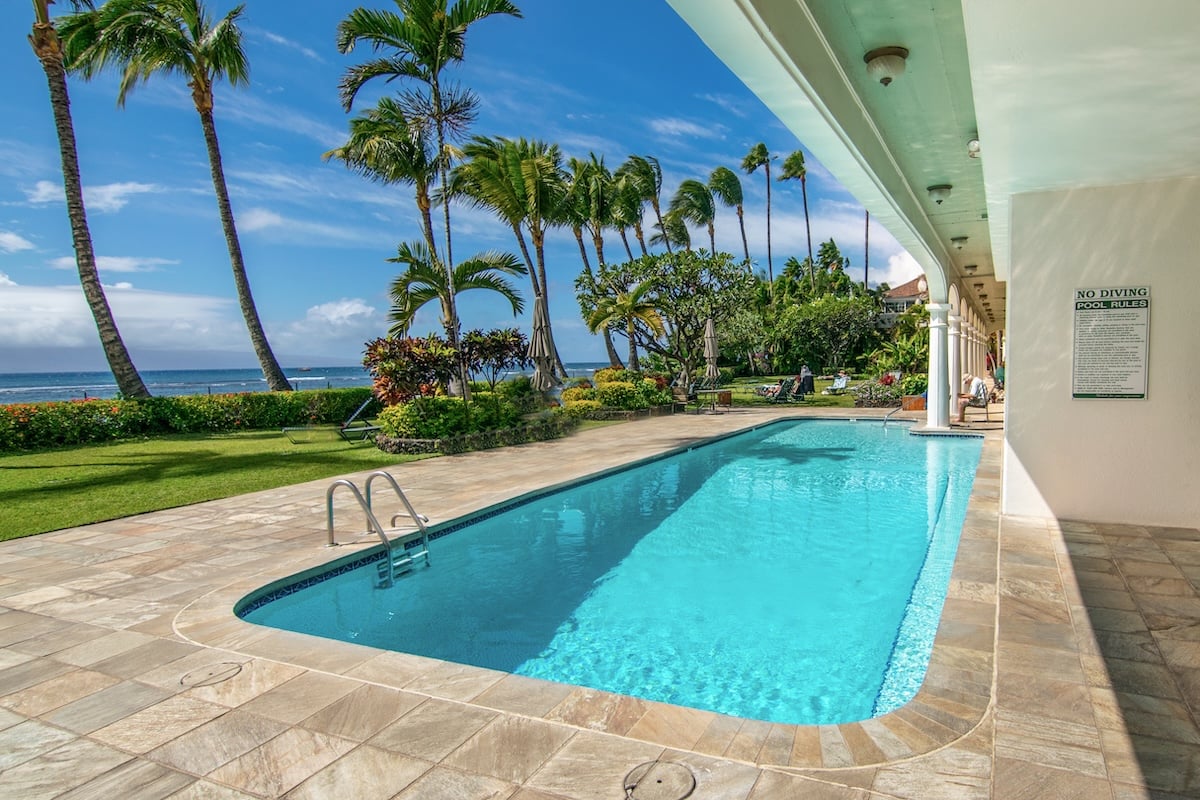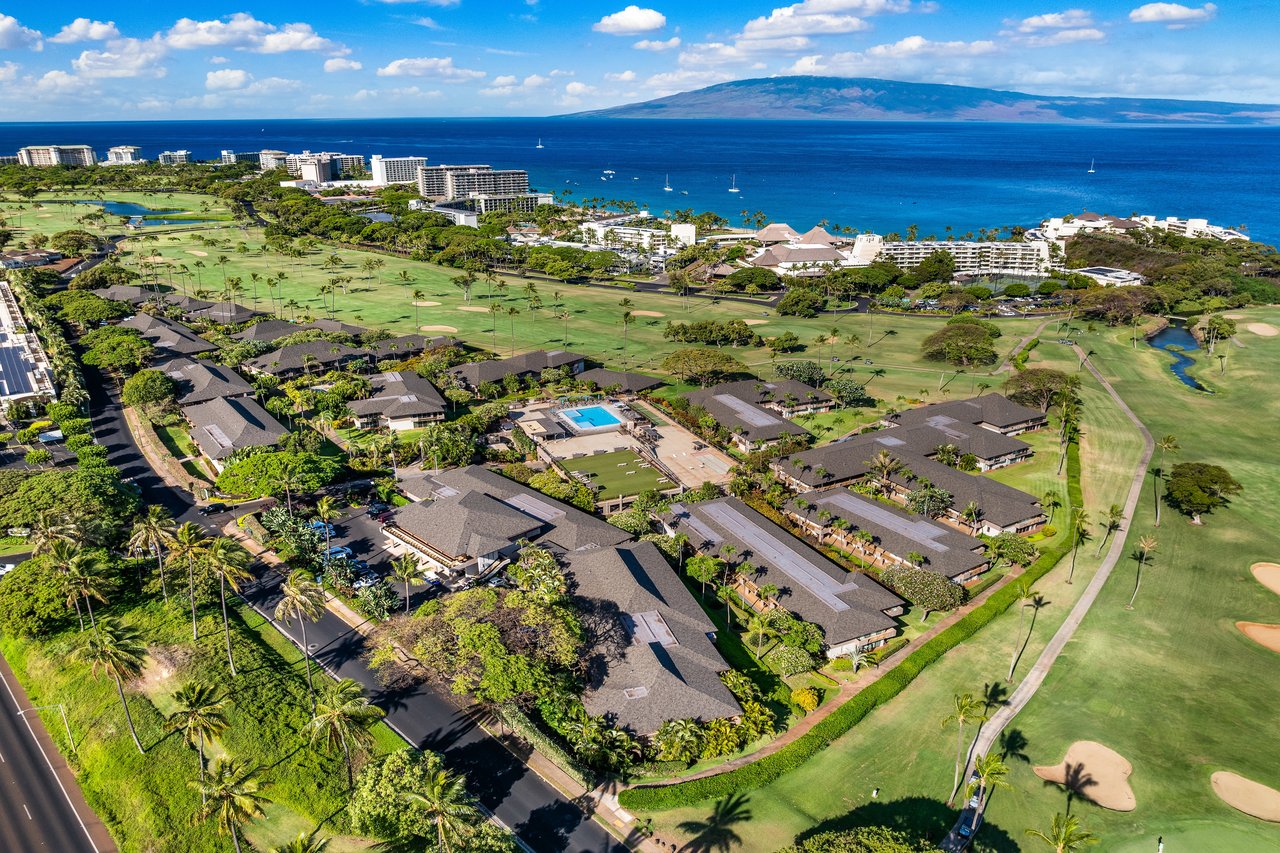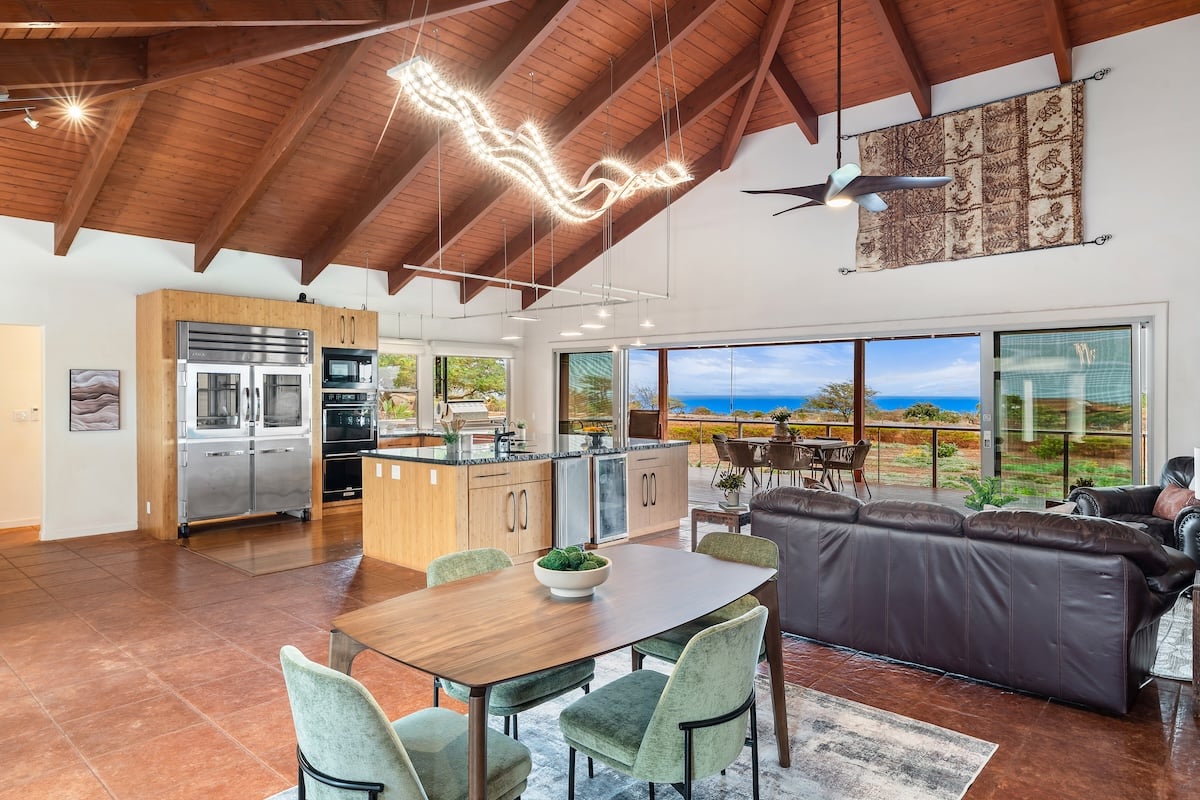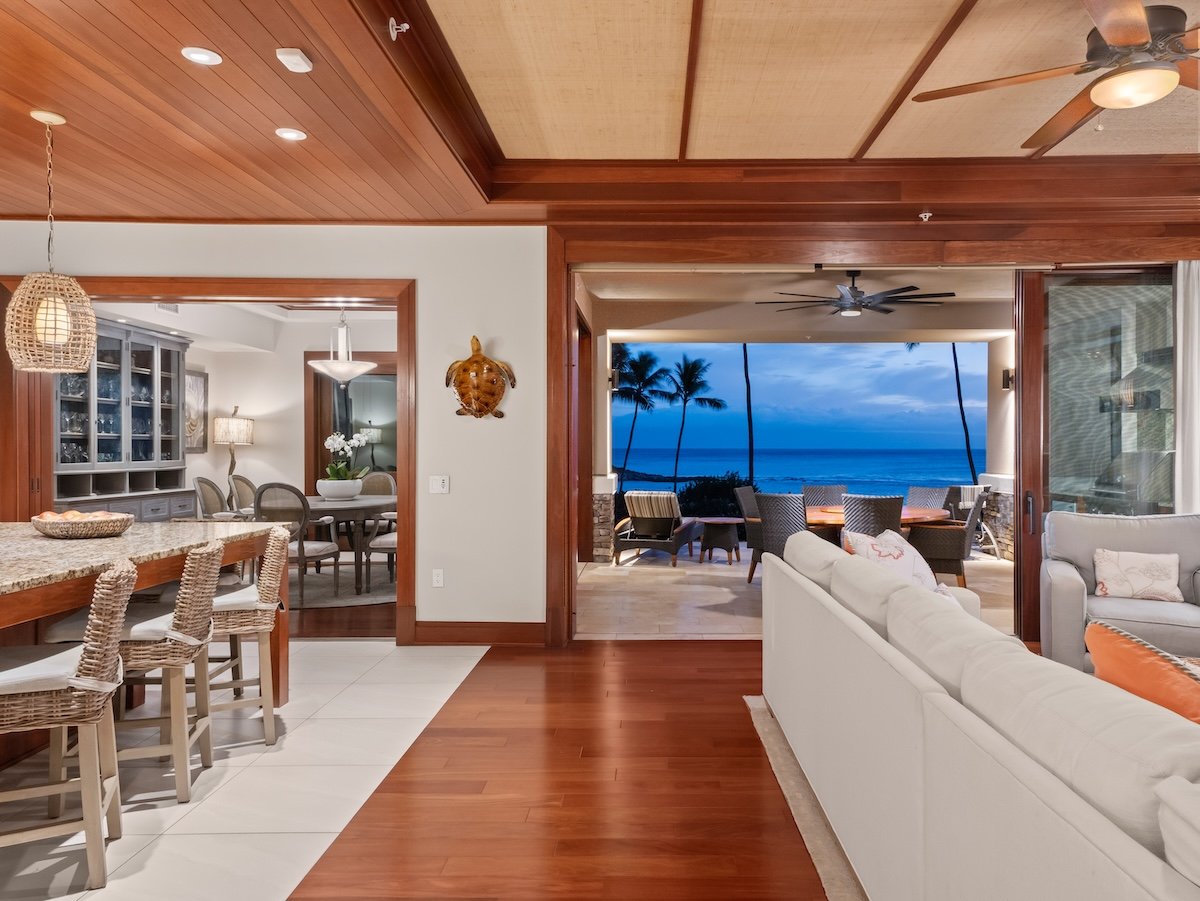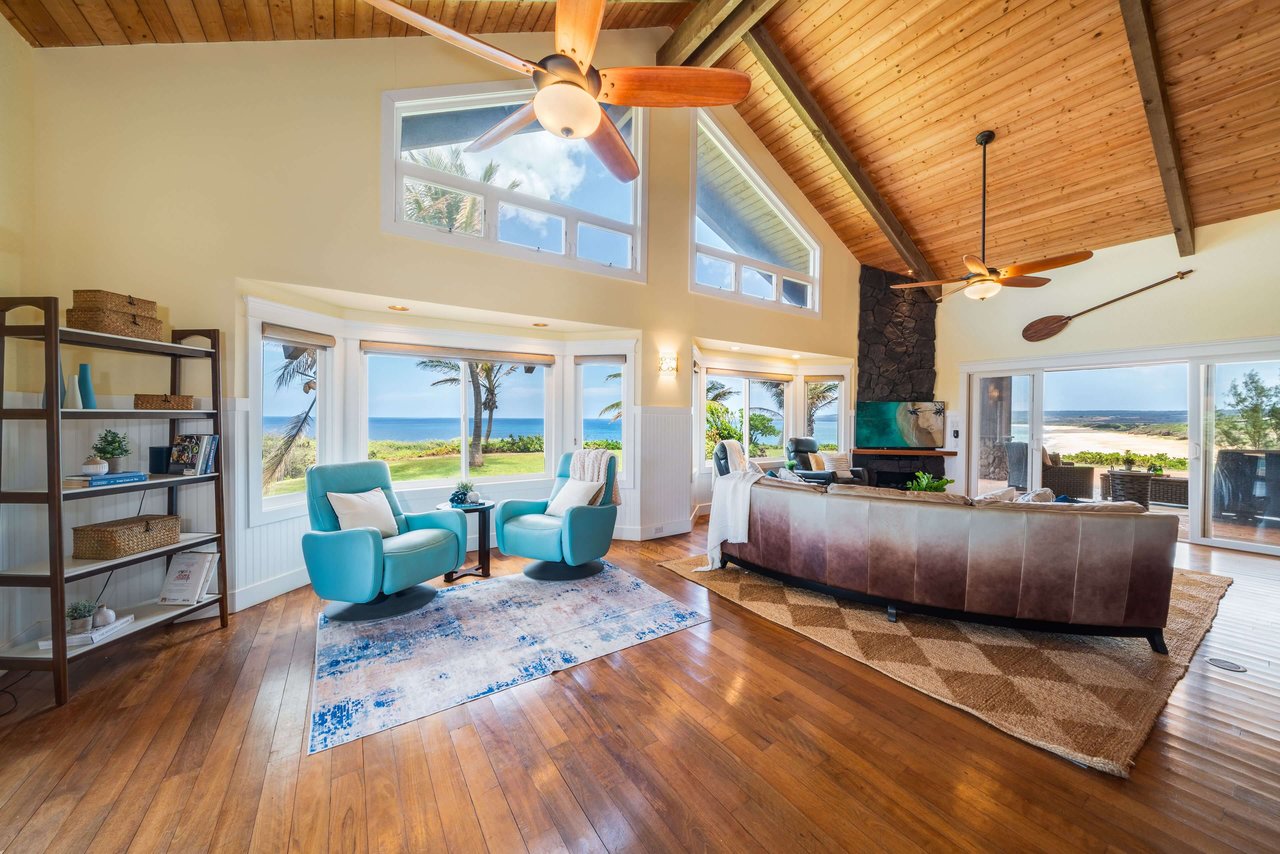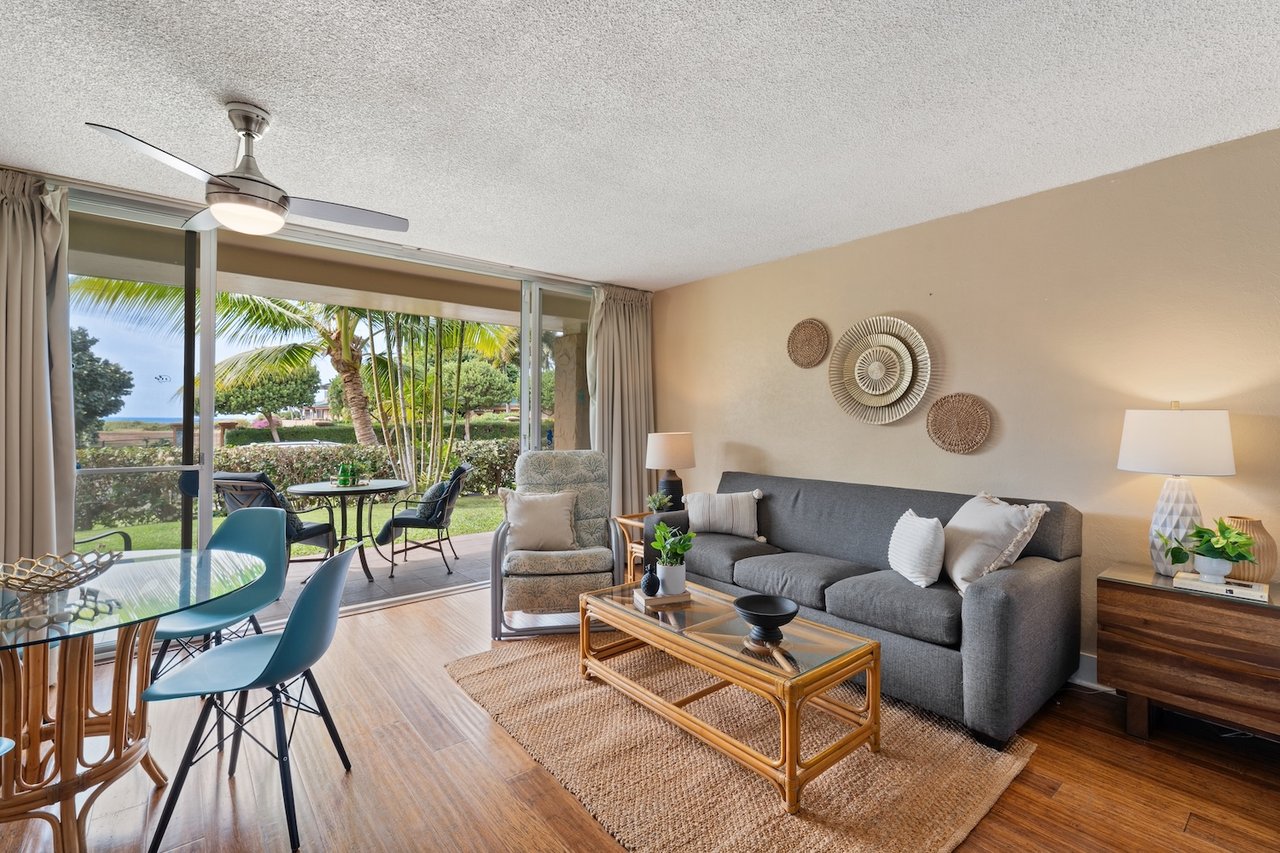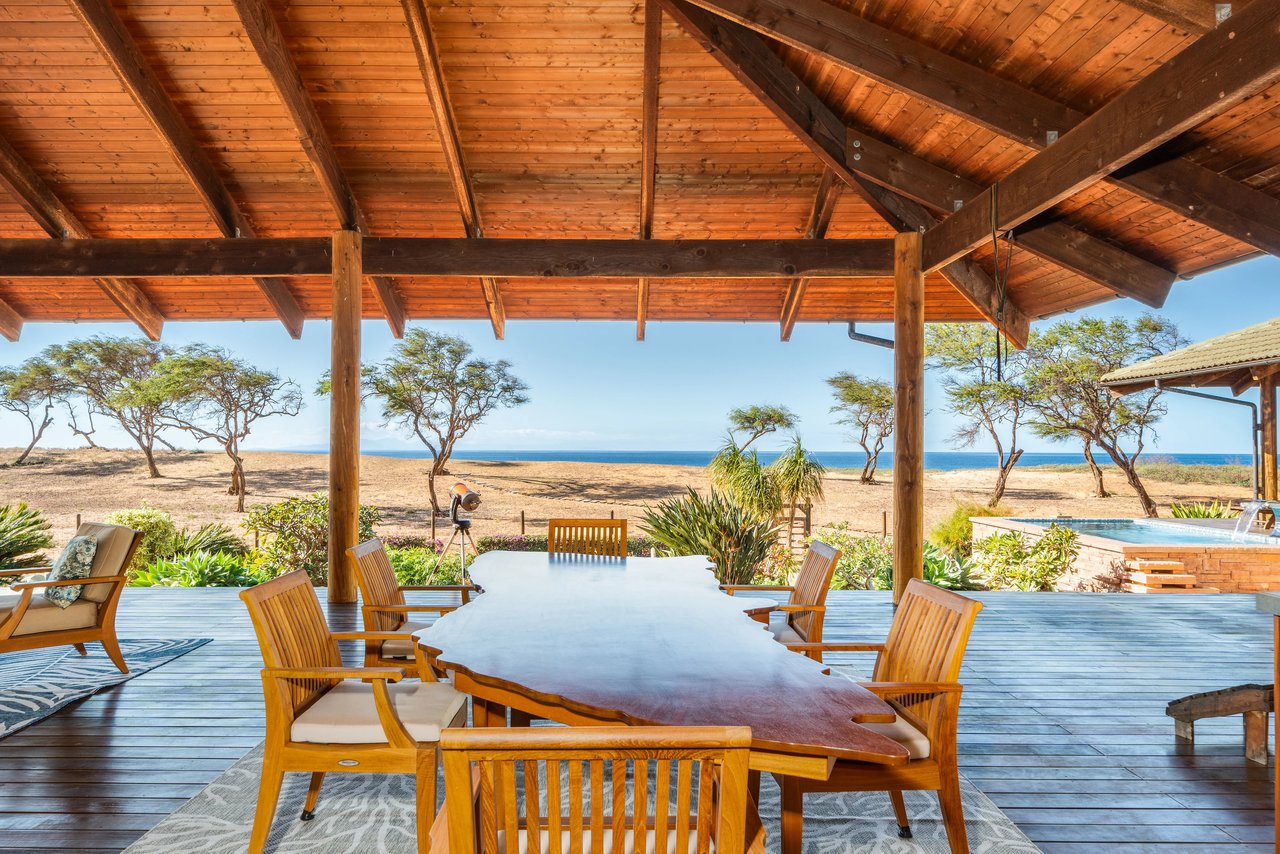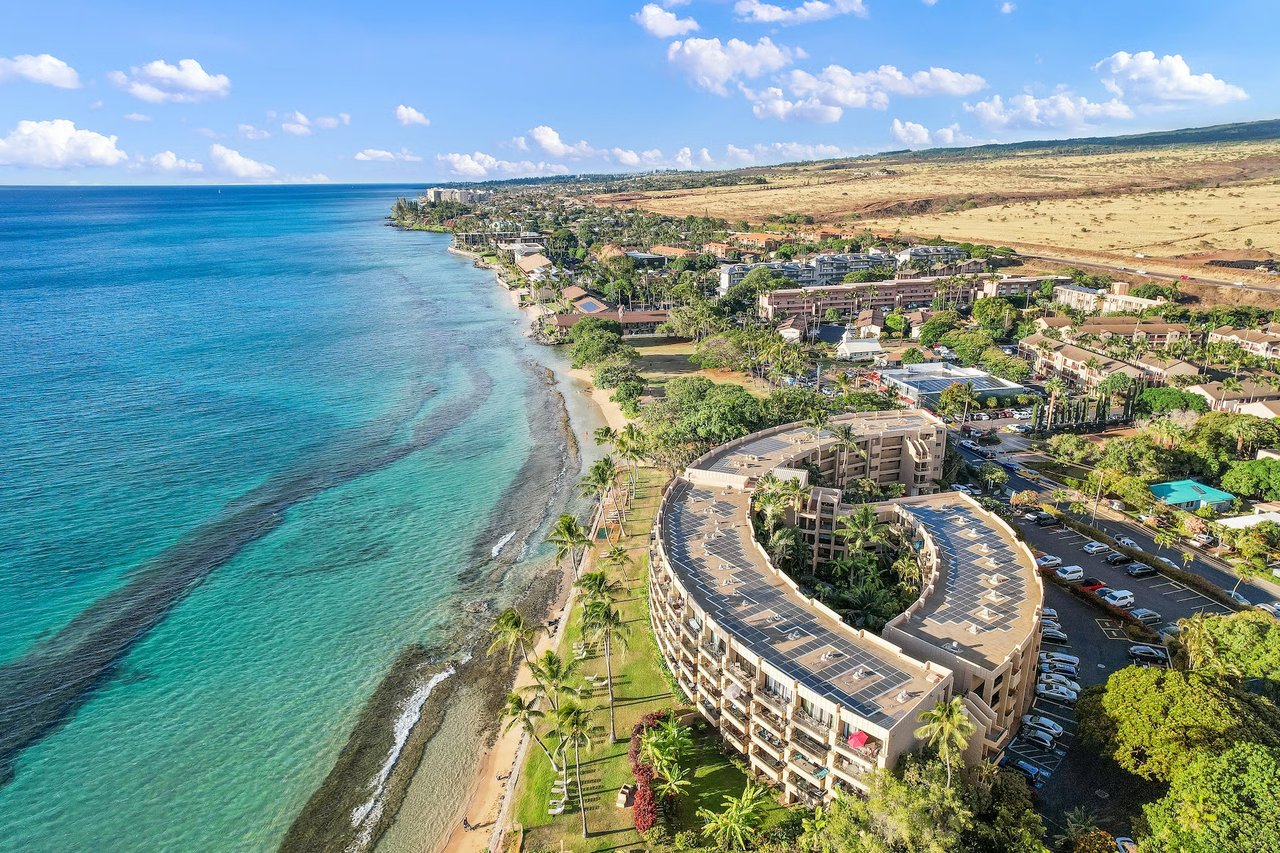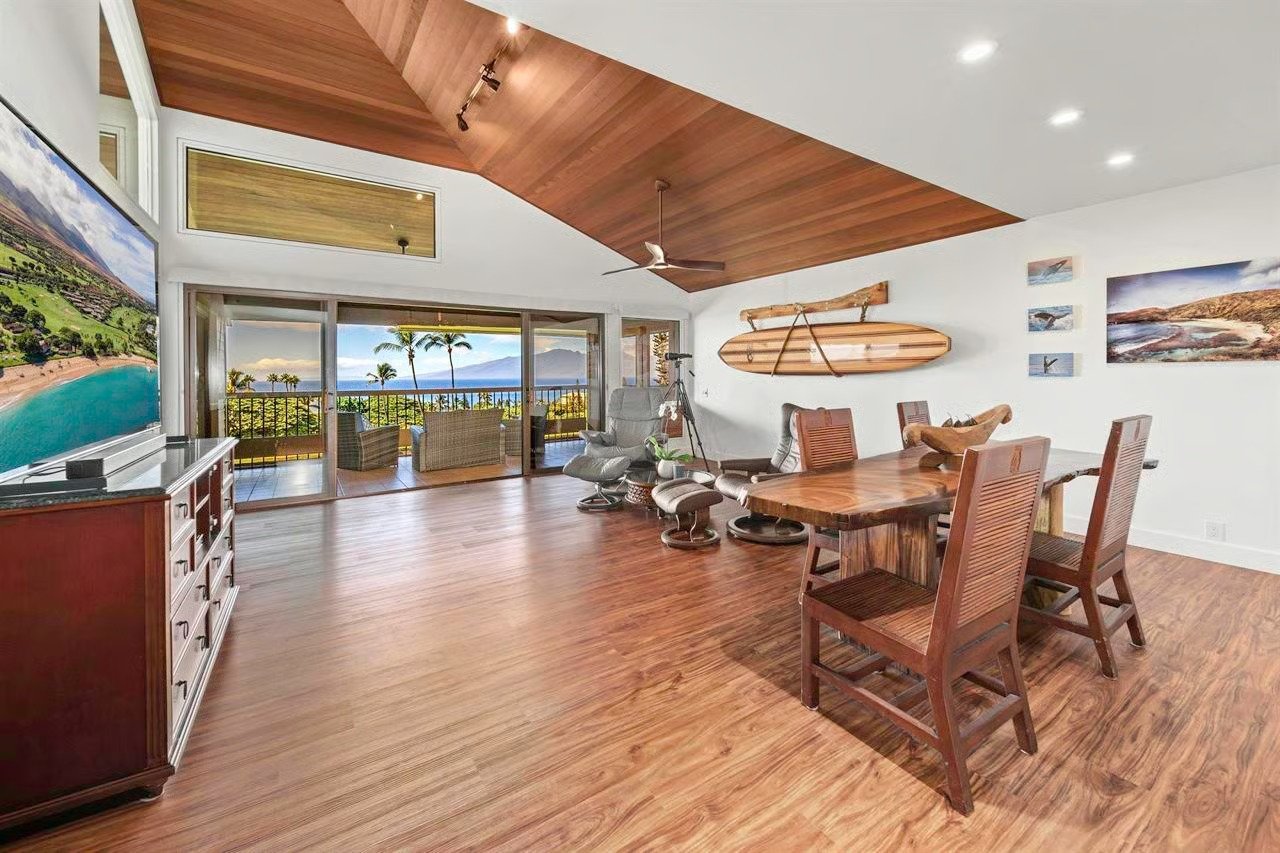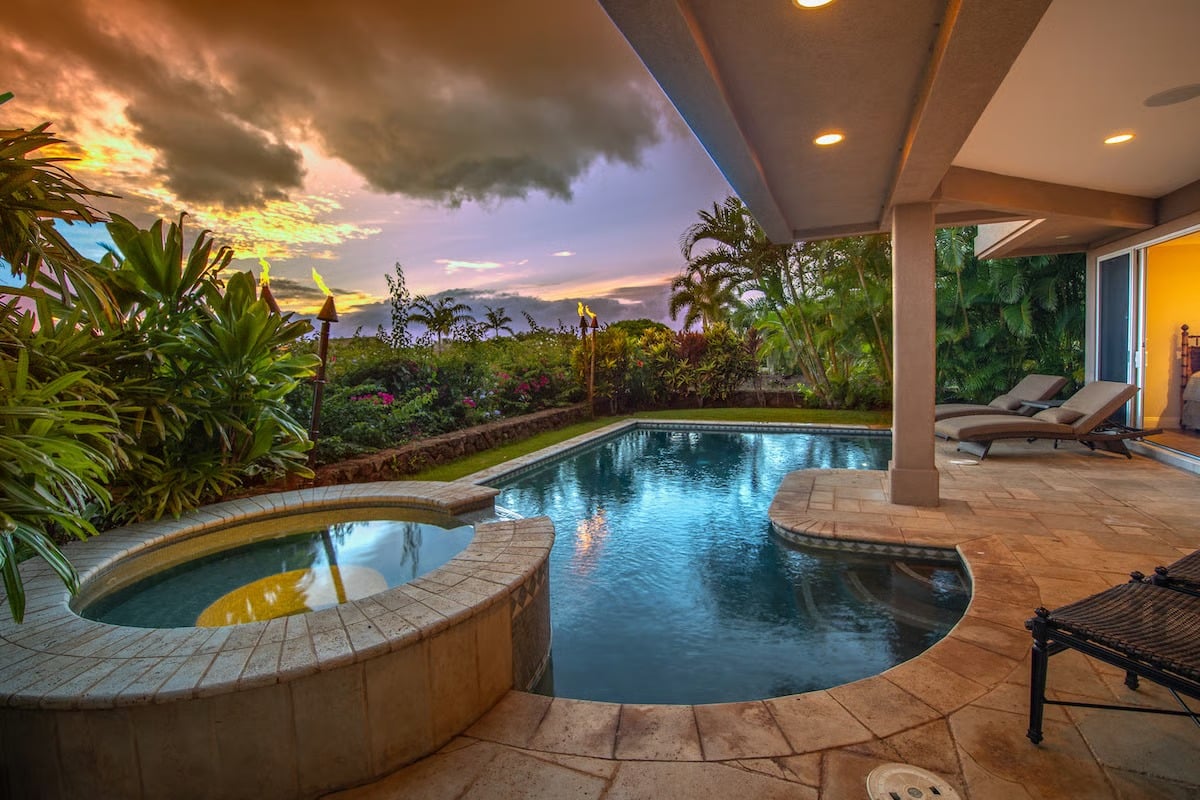
Owning a piece of Maui is more than a financial decision. It is a commitment to a way of life shaped by ocean light, volcanic ridgelines, and a culture that moves with quiet intention. Yet the path to ownership here is genuinely different from buying on the mainland, and that difference catches many buyers off guard. Prices are higher, inventory is tight, and the rules governing financing, taxes, and short-term rentals carry real weight. This guide walks you through every stage of the process with clarity and care, drawing on the kind of local knowledge that only comes from years of working this land alongside the people who call it home.
Table of Contents
- Understand the Maui market and determine your goals
- Get your finances ready: Loans, down payments, and legal considerations
- Search for Maui properties and make your offer
- From escrow to keys: Closing, fees, and your Maui move-in
- The Maui difference: What savvy buyers do (and most miss)
- Experience Maui real estate with expert guidance
- Frequently asked questions
Key Takeaways
| Point | Details |
|---|---|
| No residency requirement | Anyone can buy Maui real estate, but buyer status affects financing and taxes. |
| Higher down payments | Expect to pay 20-30% down for second homes or investments. |
| Local expertise matters | Working with Maui-based agents and lenders makes the process smoother. |
| Plan for unique costs | Be prepared for Hawaii-specific fees, taxes, and escrow practices. |
| Competitive market | Success depends on clear goals, quick action, and strategic offers. |
Understand the Maui market and determine your goals
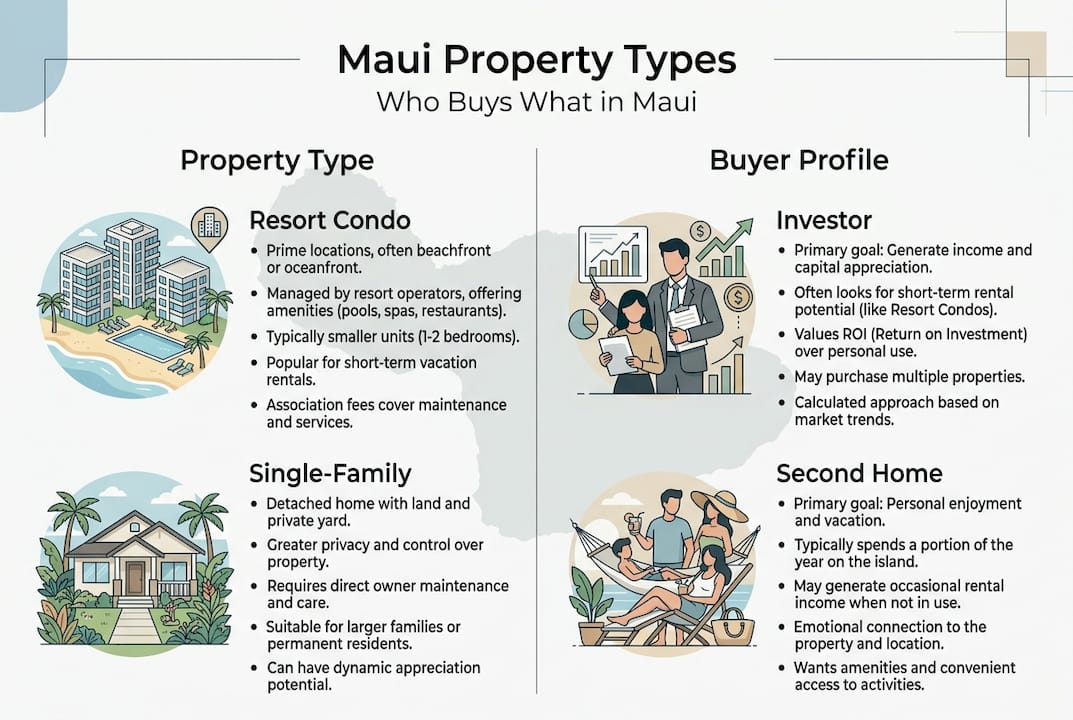
Maui is not one market. It is a collection of distinct communities, each with its own character, price range, and lifestyle promise. West Maui, anchored by Lahaina and Kaanapali, draws buyers who want resort proximity and ocean views. South Maui, centered around Wailea and Kihei, offers a sun-drenched, amenity-rich environment popular with investors and second-home buyers. Upcountry Maui delivers cooler temperatures, pastoral landscapes, and a slower cadence. The West Maui condo market trends reveal how dramatically values and inventory can shift from one neighborhood to the next.
Property types matter just as much as location. Condominiums in resort zones often come with hotel-management programs and short-term rental permits already in place, making them attractive for investors. Single-family homes offer more land and privacy but typically carry higher price points. Entry-level condos in Kihei can start around $400,000, while oceanfront estates in Wailea regularly exceed $10 million. Understanding where you fall on that spectrum shapes every decision that follows.
Key questions to answer before you search:
- Is this a primary residence, a vacation retreat, or an income-producing investment?
- How often will you visit, and does that affect your preferred location?
- Do you want a turnkey property or are you open to renovation?
- Are short-term rental revenues part of your financial plan?
- What is your realistic budget, including taxes and carrying costs?
Maui's property tax structure rewards owner-occupants with lower rates, while non-owner-occupied and short-term rental properties carry higher classifications. Reviewing current Maui property tax rates early in your search prevents surprises later. Short-term rental regulations also vary by zone and require specific permits, so verifying local rules before falling in love with a property is essential.
| Property type | Typical price range | Common buyer profile |
|---|---|---|
| Resort condo | $400K to $2M+ | Investor, vacation buyer |
| Single-family home | $900K to $5M+ | Primary or second home |
| Oceanfront estate | $3M to $15M+ | Luxury, legacy buyer |
| Upcountry land/home | $600K to $3M | Lifestyle, privacy seeker |
Pro Tip: Spend time exploring Maui neighborhoods before committing to a region. The difference between a morning in Paia and an afternoon in Wailea is the difference between two entirely different lives.
Financing rules vary by buyer origin: U.S. citizens use conventional mortgages, while foreign buyers face stricter terms and FIRPTA obligations on resale. No residency is required to purchase.With the big-picture view in mind, your next step is to line up your financial foundation.
Get your finances ready: Loans, down payments, and legal considerations
Financing Maui real estate requires a different kind of preparation than most mainland purchases. Because many properties here fall into the jumbo loan category, which means they exceed conforming loan limits, lenders apply stricter scrutiny to income, assets, and credit history. Cash purchases are common at the luxury end of the market and can give buyers a meaningful edge in competitive situations.
For those using financing, 20-30% down is the standard for second homes and investment properties. Primary residence buyers may qualify for lower down payment programs, but these are less common in Maui's price ranges. Working with a local Hawaii lender rather than a mainland institution often yields better results. Local lenders understand the nuances of Hawaii's leasehold versus fee simple distinctions, condo project approvals, and appraisal challenges in a market where comparable sales can be scarce.
Steps to prepare your finances before searching:
- Pull your credit report and resolve any outstanding issues.
- Gather two years of tax returns, W-2s or 1099s, and bank statements.
- Get pre-approved, not just pre-qualified, with a Hawaii-based lender.
- Understand the difference between fee simple and leasehold ownership.
- Consult a tax advisor familiar with Hawaii's real estate laws.
Foreign buyers face additional layers. FIRPTA, the Foreign Investment in Real Property Tax Act, requires buyers to withhold a percentage of the sale price at closing when a foreign seller is involved for federal capital gains tax that may be owed. Foreign buyers purchasing in Maui also typically face higher down payment requirements and more documentation hurdles. Understanding these rules before you begin searching saves time and prevents costly misunderstandings.
| Buyer type | Typical down payment | Key legal consideration |
|---|---|---|
| U.S. primary resident | 5 to 20% | Standard mortgage rules |
| U.S. second home/investor | 20 to 30% | Higher reserve requirements |
| Foreign buyer | 30%+ | FIRPTA, stricter loan terms |
Closing costs in Hawaii add another layer of planning. Reviewing Maui closing cost details gives you a realistic picture of what to budget beyond the purchase price. Title insurance, escrow fees, conveyance taxes, and recording fees all contribute. For a thorough walkthrough of every stage, the comprehensive buying process resource covers what to expect from contract to close.

Pro Tip: Ask your lender specifically about Hawaii condo project approval. Not every condominium complex qualifies for conventional financing, and discovering this late in the process can derail a purchase.
With your financials in place, it is time to actively search for your ideal property.
Search for Maui properties and make your offer
The Maui property search is where preparation meets possibility. Online platforms like Zillow and Realtor.com show a portion of available inventory, but the most compelling properties often move through local networks before they ever reach a public listing. This is why your choice of agent matters more than almost any other decision you will make.
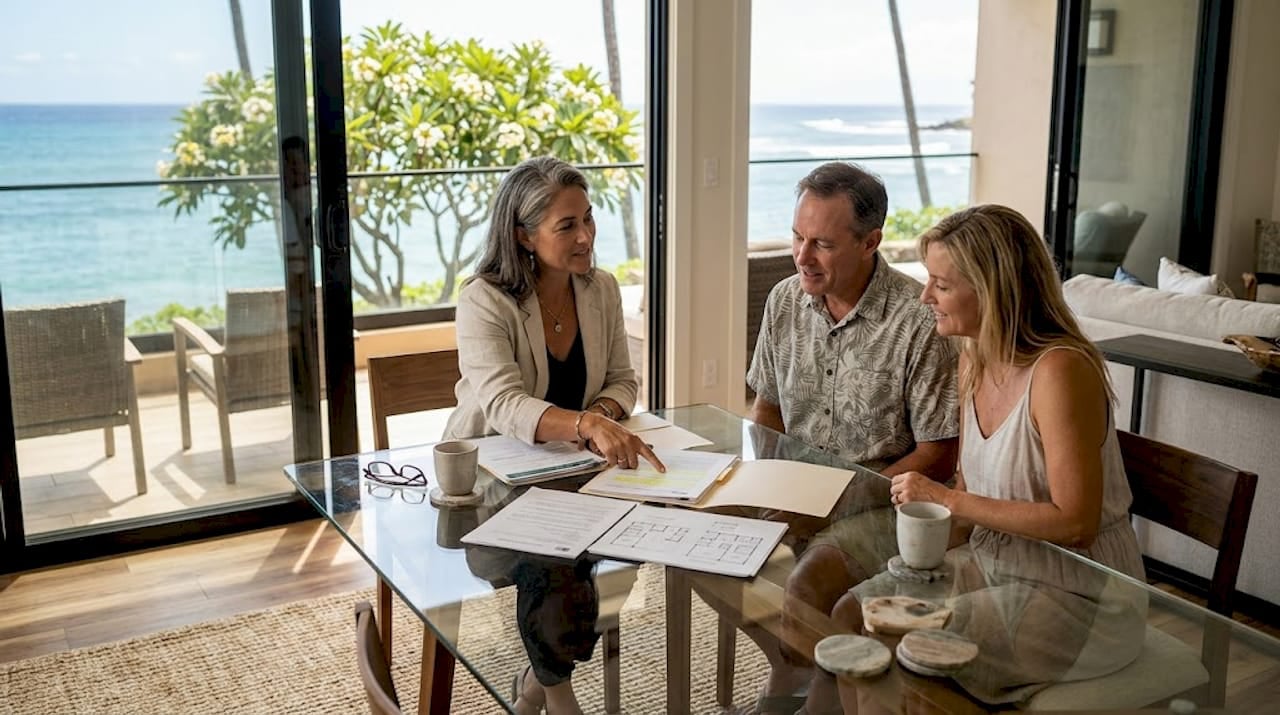
A skilled local agent does not just open doors. They know which neighborhoods are appreciating, which buildings have deferred maintenance issues, and which sellers are motivated. They also know about off-market opportunities that never appear online. No residency is required to purchase in Maui, which means both U.S. and international buyers compete in the same pool, and local expertise levels the playing field.
What to look for during property tours:
- Signs of water intrusion or deferred maintenance
- HOA financial health and reserve fund status
- Proximity to flight paths, traffic corridors, or commercial zones
- Views and natural light at different times of day
- Cell service and internet reliability for remote workers
Virtual walkthroughs have become more sophisticated, and many buyers now make offers on Maui properties after touring them remotely. If you cannot visit in person, ask your agent for a live video walkthrough with honest commentary. A good agent will point out the less flattering details, not just the ocean view.
"The best Maui buyers come prepared with clarity about what they want and trust in the person guiding them. That combination moves faster and smarter than any amount of online research alone."
Crafting a competitive offer in Maui requires more than price. Clean offers with fewer contingencies, proof of funds or strong pre-approval, and a flexible closing timeline often win over higher bids with complications. Reviewing family homes market update data helps calibrate your offer relative to recent comparable sales. For practical guidance on structuring terms, offer negotiation tips provide a clear framework.
Pro Tip: In a multiple-offer situation, a personal letter to the seller can carry surprising weight in Maui. This is a place where people care about legacy and stewardship, and knowing your intentions for the property can matter.
Once your offer is accepted, due diligence and a smooth closing become your top priorities.
From escrow to keys: Closing, fees, and your Maui move-in
Escrow in Hawaii is handled by a licensed escrow company, not an attorney, which differs from many mainland states. Once your offer is accepted, both parties deposit signed contracts and the buyer delivers earnest money, typically 1 to 3 percent of the purchase price. The escrow period generally runs 30 to 60 days, during which inspections, appraisals, and final loan approval occur.
Key steps during the escrow period:
- Complete all inspections: general, termite, roof, and any specialty inspections.
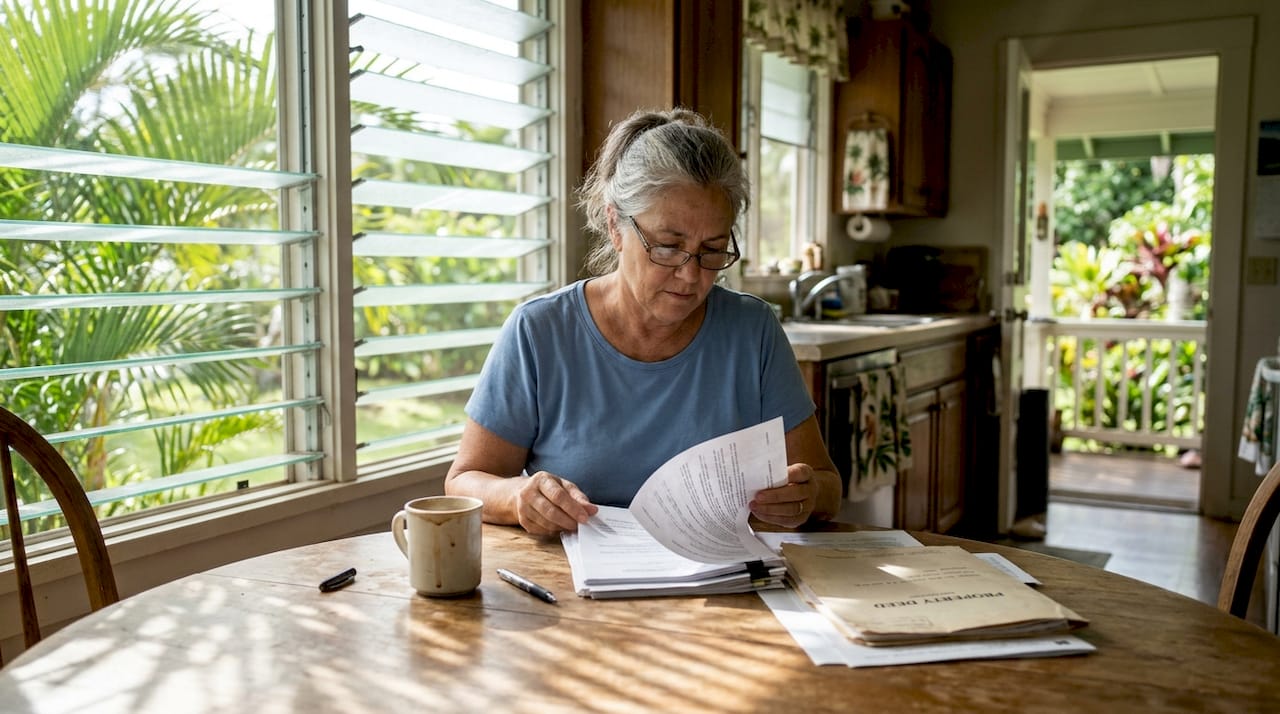
- Review the preliminary title report for liens or encumbrances.
- Finalize your homeowner's insurance policy before closing.
- Confirm utility transfer arrangements and HOA onboarding.
- Conduct a final walkthrough within 24 hours of closing.
Foreign buyers face stricter terms and FIRPTA obligations that require careful coordination with your escrow officer and tax advisor. Domestic buyers should still budget carefully for closing costs, which typically range from 1.5 to 3 percent of the purchase price on top of the down payment.
| Closing cost item | Typical amount |
|---|---|
| Escrow fee | $1,500 to $3,000+ |
| Title insurance | $1,000 to $2,500+ |
| Hawaii conveyance tax | 0.1 to 1.25% of price |
| Recording fees | $100 to $300 |
| Lender fees | 0.5 to 1% of loan |
For a detailed breakdown, typical closing costs outlines every line item you should anticipate. Property tax obligations begin immediately upon ownership transfer, so reviewing current property tax rates before closing ensures your monthly carrying cost estimates are accurate.
"Closing on a Maui property is not the end of the journey. It is the beginning of your relationship with this land."
After keys are in hand, set up electricity through Maui Electric, arrange water service, and connect with a local property manager if you will not be on-island full time. Having the right team in place from day one protects your investment and honors the responsibility of ownership here.
Having completed the journey from property search to closing, it is critical to reflect on what sets successful Maui buyers apart.
The Maui difference: What savvy buyers do (and most miss)
Most buyers focus on price. The most successful Maui buyers focus on relationships. This is a small, deeply connected market where your agent's reputation, their network, and their standing in the community directly influence what opportunities reach you and how smoothly transactions move.
Out-of-state investors often underestimate the importance of local inspectors, local lenders, and local legal counsel. Mainland professionals, however experienced, may miss Hawaii-specific issues like lava zone classifications, leasehold complexities, or the nuances of resort-zone rental regulations. These are not minor details. They shape the long-term value of your investment.
We have seen buyers lose meaningful deals not because of price but because their offer lacked credibility. A pre-approval from a local lender, a clean contract, and an agent known in the community carries real weight here. Tracking in-depth Maui condo trends with a knowledgeable guide helps you act with conviction rather than hesitation. The Maui market rewards patience and preparation in equal measure. Those who arrive with both, and with the right people beside them, tend to find not just a property but a place they are proud to call theirs.
Experience Maui real estate with expert guidance
Finding the right property in Maui takes more than a search filter. It takes someone who knows the land, the communities, and the quiet opportunities that never make it to a public listing. Pacific Island Partners, led by Heidi Dollinger and Mark Janes, brings decades of combined experience and a concierge-level approach to every buyer relationship.

Whether you are drawn to a resort residence in Wailea, an oceanfront estate on the west shore, or a private retreat in the hills, we are here to guide you with clarity and discretion. Start your Maui buying journey with a conversation, see Plantation Estates listings for curated opportunities, or meet our luxury agents to learn how we work. Your Maui story begins with the right introduction.
Frequently asked questions
Can non-residents buy real estate in Maui?
Yes, both U.S. and foreign buyers can purchase property in Maui with no residency required, though financing terms and legal obligations differ significantly between domestic and international purchasers.
What is the minimum down payment for Maui real estate?
For second homes and investment properties, expect to put down 20 to 30 percent, which is notably higher than typical mainland requirements and reflects the premium nature of Hawaii's market.
Are property taxes higher in Maui compared to other states?
Maui's property tax rates are actually among the lower rates in the U.S., though the classification of your property as owner-occupied, non-owner-occupied, or short-term rental significantly affects what you owe.
How long does it take to close on a Maui property?
Most transactions close within 30 to 60 days, depending on financing complexity, inspection outcomes, and the responsiveness of all parties involved in the escrow process.
Are there restrictions on renting out my Maui property?
Short-term rentals are tightly regulated, with specific areas allowing nightly rentals, and other areas allowing long-term rentals of 6 months (180 days) or more. There are not generally restrictions on how many rentals can exist within a development. Long term rentals are generally always allowed. Short-term rentals are only allowed in specific areas.