Getting to Molokai: Improving Access and Future Travel Options
One of the most common questions we hear from buyers considering Molokaʻi is about travel access. While the island intentionally maintains a slower pace and limited large-scale infrastructure, getting there is straightforward—and improving.
Frequent Flights from Maui and Honolulu
Today, most travelers reach Molokaʻi through Mokulele Airlines, the primary inter-island carrier serving the island. The airline operates multiple daily flights connecting Molokaʻi with both Maui and Oʻahu.
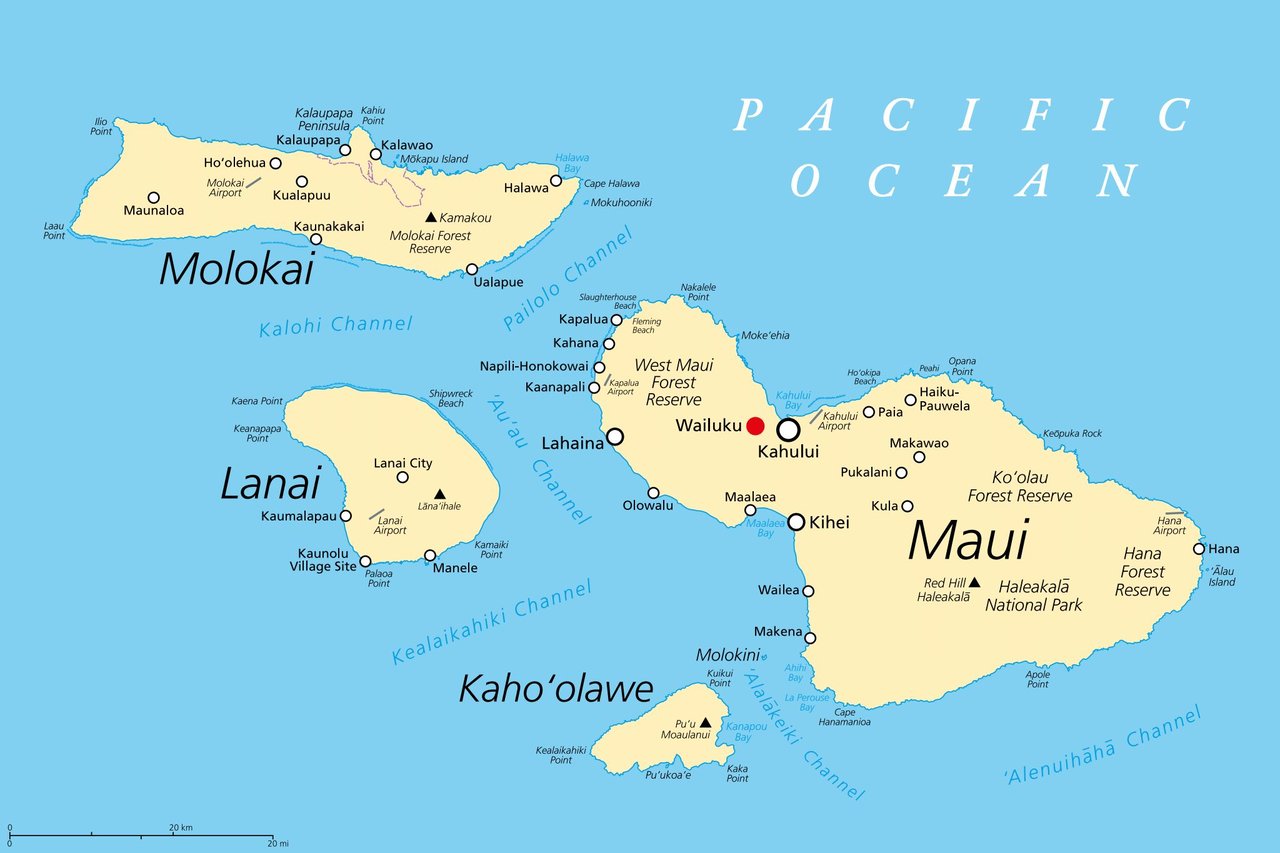
From Kahului Airport (OGG) on Maui, there are typically 10–11 direct flights per day to Molokaʻi Airport (MKK). The flight itself is only about 20-30 minutes between the islands. This makes Molokaʻi an easy final hop for homeowners traveling from the mainland through Maui.
Flights also operate regularly between Honolulu and Molokaʻi, providing another convenient connection point for travelers arriving from major mainland hubs.
Expanding Service
Air service is expected to improve further. Surf Air Mobility has invested in the Hawaiʻi operations of Mokulele Airlines and announced plans to expand the network.
The expansion includes additional aircraft and new daily flights, including two new round-trip flights between Maui and Molokai. Once implemented, this would likely increase the Maui–Molokai route to approximately 12–13 flights per day, providing even greater flexibility for travelers and property owners.
The Future: Electric Seagliders
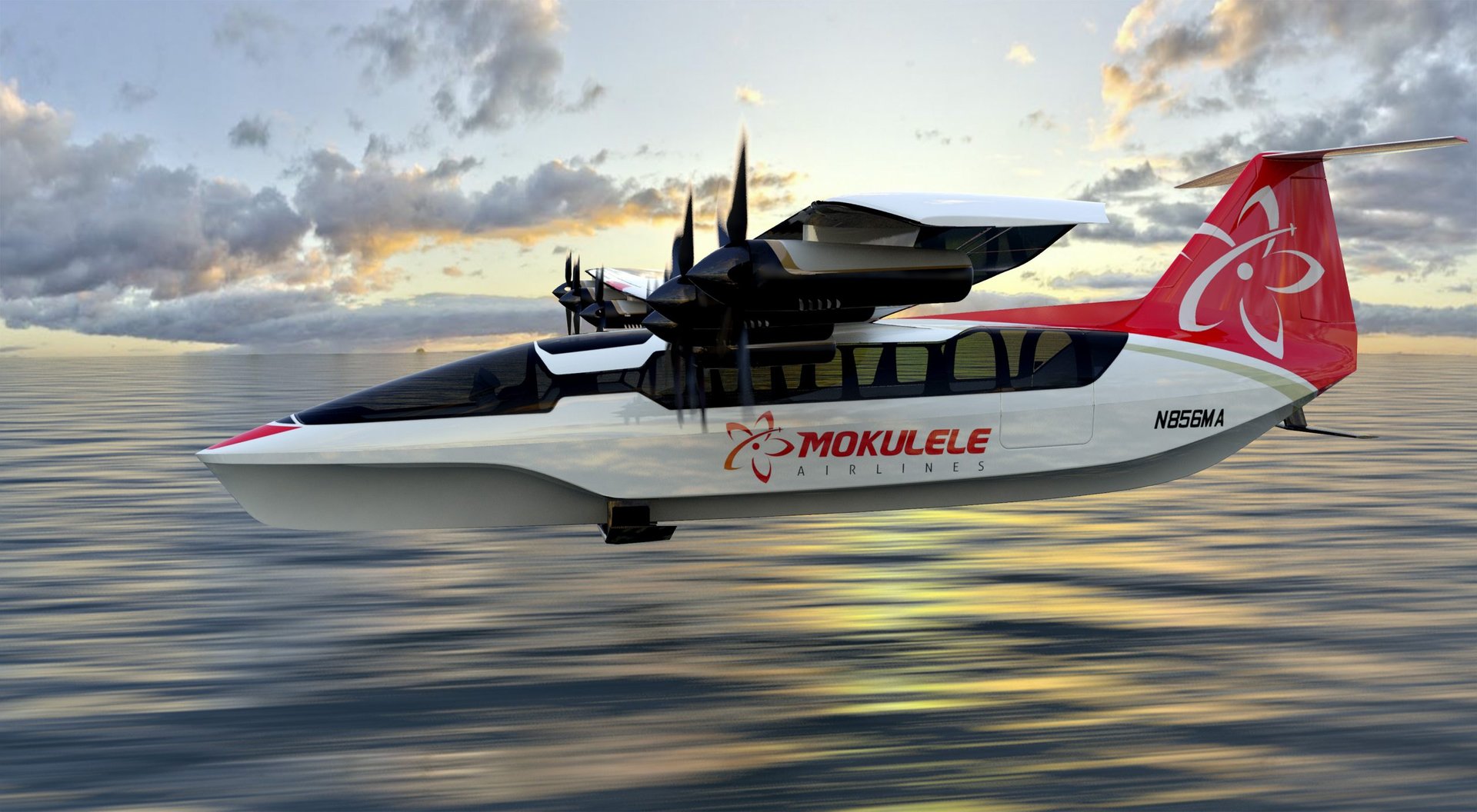
Looking further ahead, Hawaiʻi is also being studied as a potential launch market for a new form of inter-island transportation developed by REGENT Craft.
These electric “seagliders” travel just above the ocean surface and are designed for short coastal routes between islands. The aircraft could eventually carry small groups of passengers between locations such as Maui and Molokai, potentially offering another fast and efficient travel option. While this technology is still in development, Hawaii’s geography makes it one of the most promising markets for early adoption.
A Different Kind of Accessibility
Molokai will likely never have the volume of flights seen on Maui or Oahu—and that is part of what preserves the island’s character. What exists instead is a reliable, short inter-island connection that keeps Molokai accessible while protecting the quiet pace of life that draws many people here in the first place.