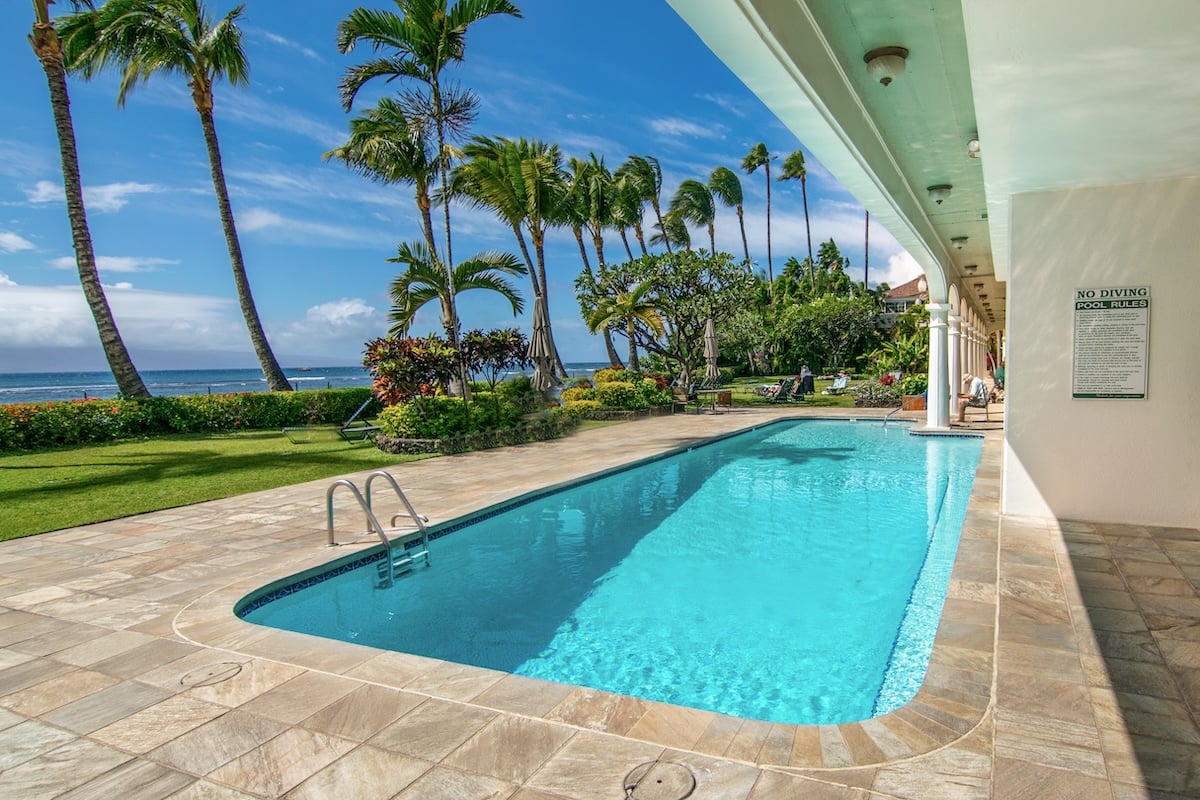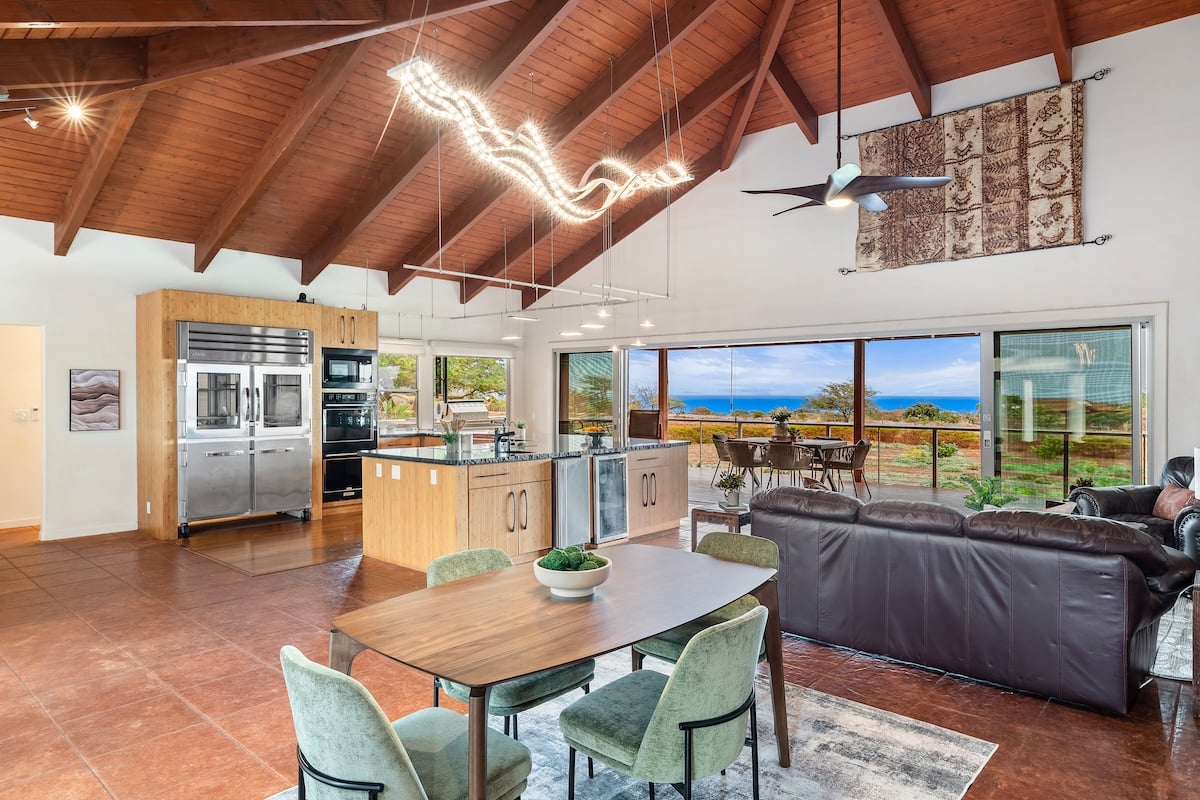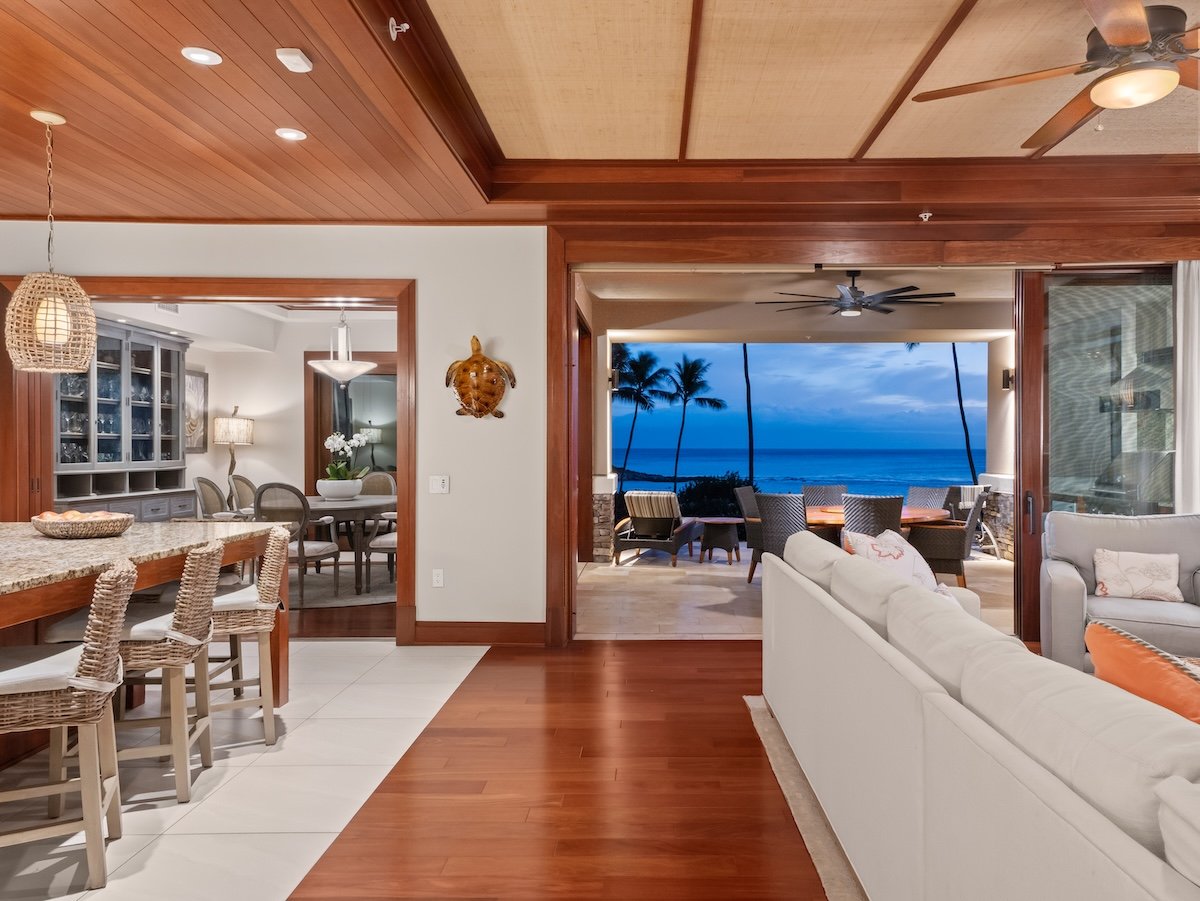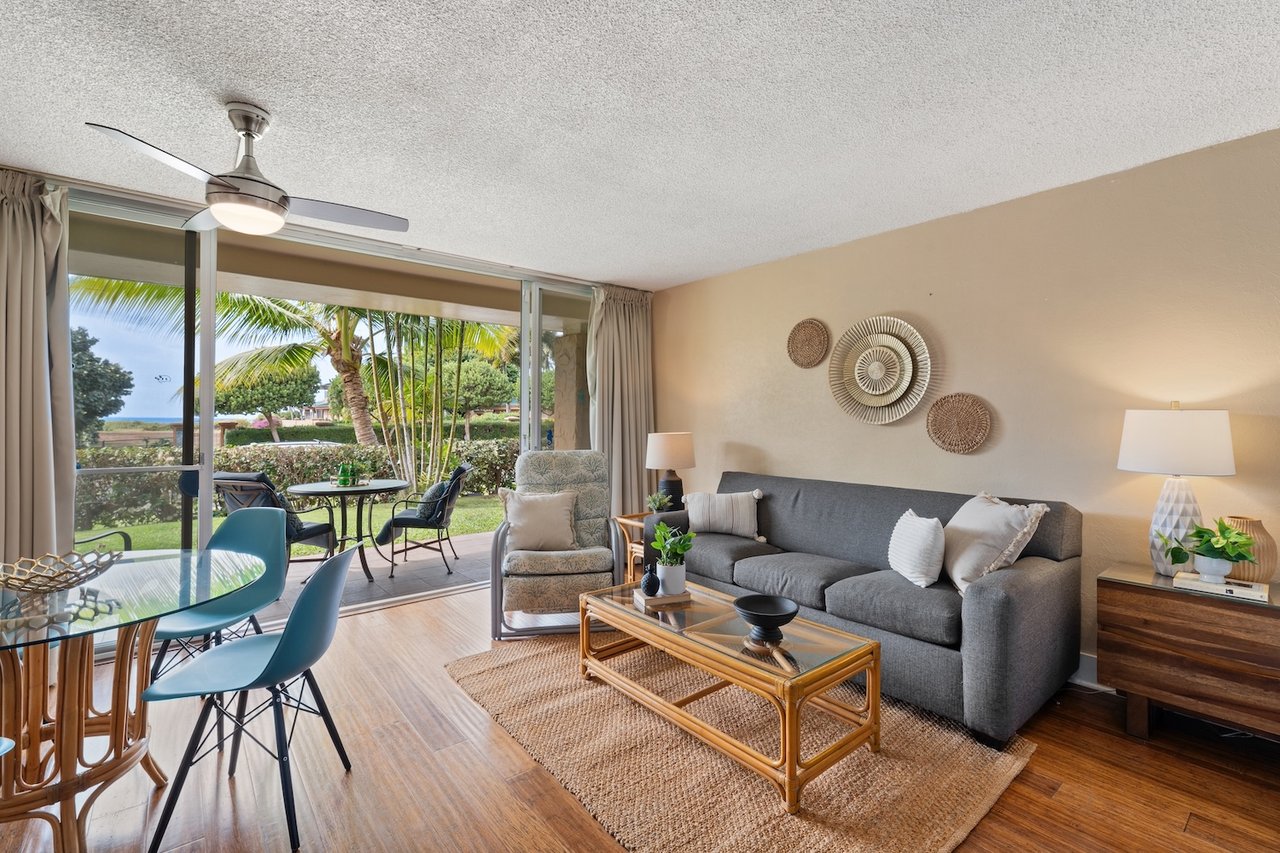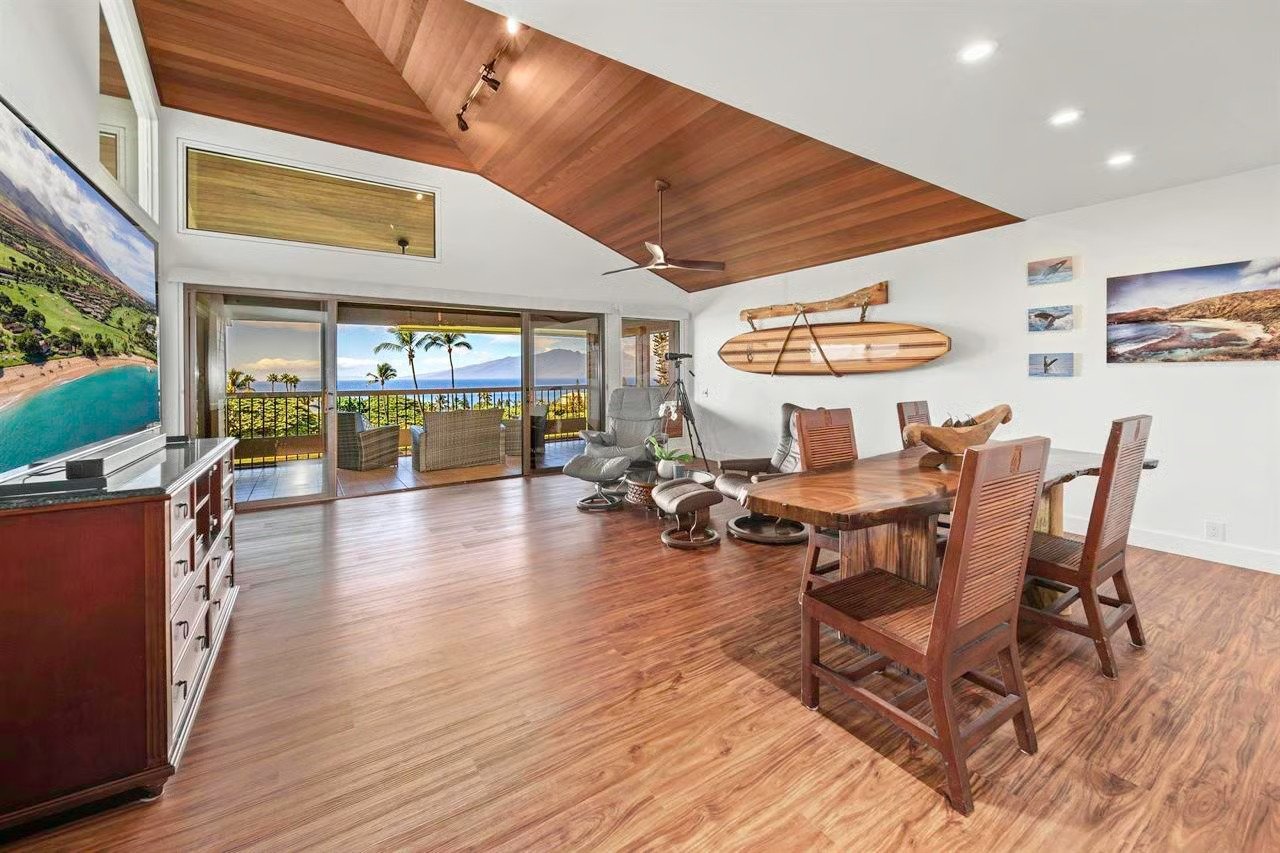
An oceanfront estate. A distinctive architectural home. A property that is difficult to compare with anything else on the market.
These are the kinds of properties that can prompt a conversation about luxury real estate auctions on Maui. Companies such as Concierge Auctions offer an alternative way to bring buyers and sellers together through a focused marketing campaign and a scheduled bidding process.
For sellers, the appeal is often momentum and a defined timeline. For buyers, it is the opportunity to compete for a property with visibility into the bidding. For both, understanding the terms is essential.
What Is a Luxury Real Estate Auction?
A voluntary luxury property auction is a selling strategy an owner chooses. Seeing a home offered at auction does not, by itself, indicate foreclosure or financial distress.
In the Concierge Auctions model, the auction company works alongside a listing agent, combining property marketing and buyer outreach with online or live bidding. Its published methodology includes both global promotion and local showings coordinated with the listing agent.
Maui has examples of this approach. Concierge Auctions’ past property offerings include 8 Kapalua Place, 5157 Lower Honoapiʻilani Road, and 65 Wili Okai Way in West Maui. These illustrate the use of auctions for distinctive properties on the island.
Why Would a Maui Seller Consider an Auction?
Some properties are easier to price than others. A condominium with several recent sales in the same building may have a relatively clear range of comparable values. An estate with unusual acreage, architecture, improvements or oceanfront positioning requires more interpretation.
For these properties, an auction may offer a way to concentrate buyer attention within a specific period.
A seller might consider this approach when:
- A defined selling timeline is a priority.
- The property would benefit from broader exposure.
- An extended listing period has produced interest without an acceptable offer.
- The seller is comfortable allowing competitive bidding to determine the result within the agreed terms.
Our view is that an auction should be evaluated against the seller’s actual goals: timing, expected proceeds, carrying costs and willingness to accept price uncertainty.
A deadline can encourage decisions. It cannot guarantee the price a seller hopes to achieve.
Understanding Reserves and Starting Bids
Auction terminology deserves careful attention.
A reserve price generally refers to a minimum selling threshold. A no-reserve auction generally means there is no minimum price requirement, subject to the governing auction terms.
A starting bid range is different from a promised sale price.
Concierge Auctions currently describes a “Market Reserve” process in which the highest pre-auction starting bid establishes the auction’s price floor. Sellers should understand precisely how that threshold is established and when their commitments become binding.
Before signing an auction agreement, a seller should ask:
- What is the lowest price I could be obligated to accept?
- When can I decide whether to proceed?
- What happens if bidding activity is limited?
- What fees or obligations apply if the auction is canceled or the property sells afterward?
- What would my estimated net proceeds be at several possible sale prices?
The signed agreement should provide the answers.
What Buyers Should Know About the Buyer’s Premium
The winning bid may be only one part of the acquisition cost.
Luxury auctions commonly include a buyer’s premium, an additional charge calculated under the auction’s terms. Concierge Auctions publishes buyer’s premium information on its website, but buyers should confirm the applicable rate, calculation and any incentives in the documents for the specific property.
For illustration, if a property has a $4 million winning bid and a hypothetical 12% premium, the combined amount would be $4.48 million before other applicable closing costs. This example does not represent the terms of a particular auction.
A bidding limit should reflect the full acquisition cost, along with anticipated repairs, insurance, ownership expenses and any planned improvements.
Complete Your Property Review Before Bidding
Buyers should approach an auction prepared to make a decision within its contractual deadlines.
Concierge Auctions’ published process calls for proof of funds and a bidder deposit during registration. It also describes a nonrefundable deposit after a successful bid and an anticipated closing approximately 30 days after the auction. The property-specific documents govern the actual requirements.
For a Maui property, questions to resolve before bidding may include:
- Is ownership fee simple or leasehold?
- Do permits and records match the existing improvements?
- What easements, access rights or title exceptions affect the property?
- What are the water, wastewater and utility arrangements?
- What insurance coverage is available, and at what cost?
- Are there shoreline, flood or erosion concerns requiring specialist review?
- For a condominium, what do the association’s financial statements, insurance and assessment history reveal?
- If rental income is part of the purchase strategy, what uses are legally permitted?
Do not assume an auction purchase includes the inspection, financing or appraisal protections you might negotiate in a conventional transaction. Confirm those provisions before making a binding bid.
Does an Auction Mean a Better Deal?
An auction can create an opportunity, but value still requires analysis.
A sale price below a previous asking price does not automatically establish a bargain. The earlier asking price may have been ambitious, and the buyer’s premium can materially affect the total cost.
We would evaluate an auction property using the same fundamentals as any other acquisition: location, condition, comparable sales, ownership costs, permitted uses and long-term suitability.
The auction clock adds urgency. Your investment criteria should remain consistent.
The Role of Your Maui Real Estate Advisor
An auction company brings a bidding platform and a marketing process. A local advisor helps connect that process to the property and your objectives.
For sellers, that means comparing an auction with conventional listing strategies, reviewing potential net proceeds and preparing the property information buyers need.
For buyers, it means evaluating comparable sales, coordinating property review, identifying questions for inspectors and legal professionals, and setting a disciplined acquisition budget.
Representation and any required agent registration should be addressed early in the process.
Is an Auction the Right Strategy for Your Property?
An auction is one option within a broader real estate strategy. Its suitability depends on the property, the terms, the likely buyer audience and the owner’s priorities.
At Pacific Island Partners, we begin with those priorities. Whether you are considering an auction for a Maui property or evaluating one as a buyer, we can help you assess the opportunity with local context and a clear understanding of the numbers.
Considering buying or selling a Maui property through auction? Connect with Heidi Dollinger & Mark Janes at Pacific Island Partners to discuss the property, the process and your options.
Auction procedures, fees and obligations vary by property and provider. Review the applicable agreements with your real estate and legal advisors before participating.